
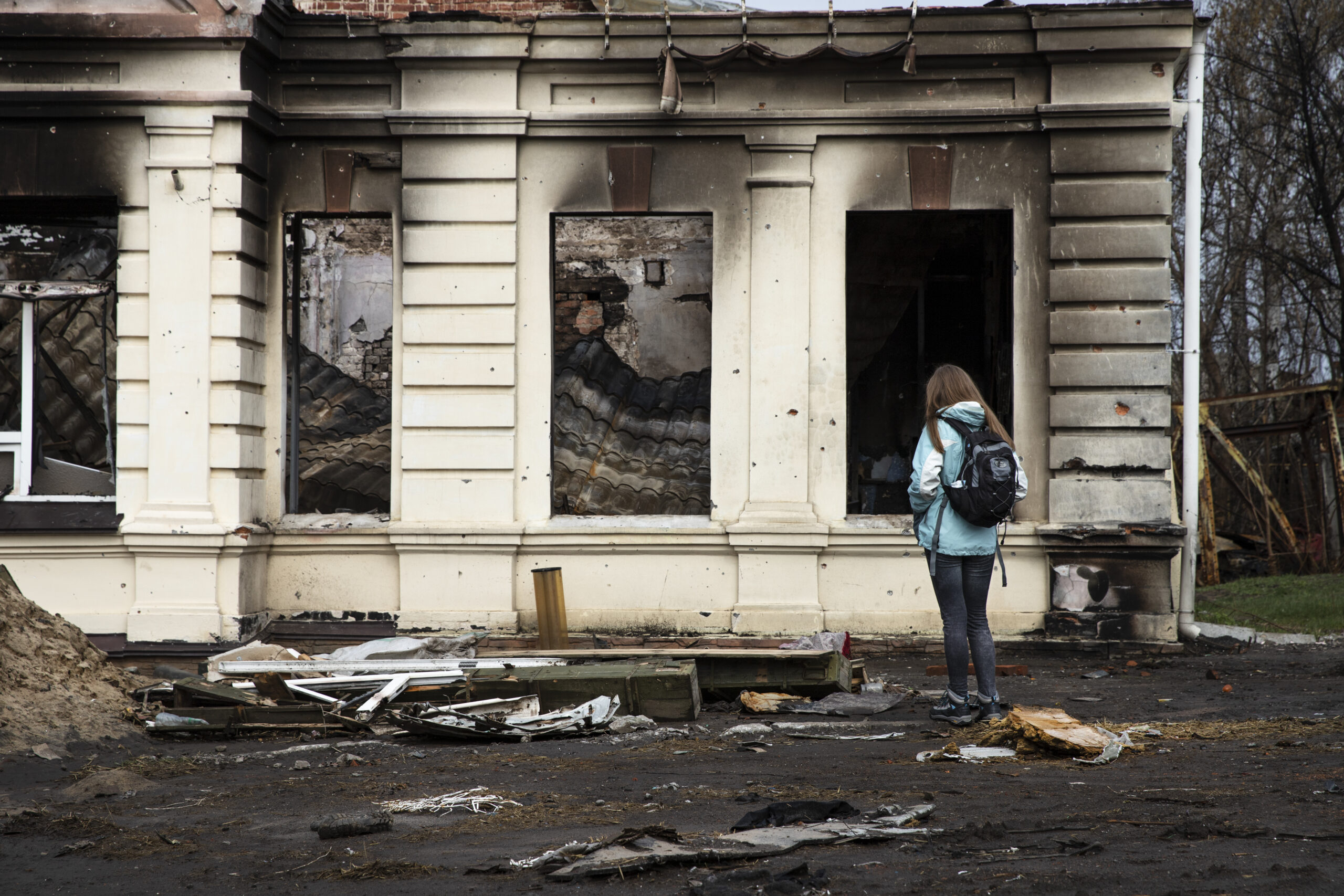
Wildfire Trauma: How It Affects Survivors and Ways to Heal
Table of Contents:
- Introduction
- What Is Wildfire Trauma?
- Why Wildfire Trauma Is Unique
- The Emotional and Psychological Effects of Wildfire Trauma
- The Impact of Wildfire Trauma on Children and Family Dynamics
- Physical and Health-Related Effects of Wildfire Trauma
- The Healing Process: Immediate Steps for Survivors
- Long-Term Recovery: Rebuilding Emotional and Physical Wellness
- Community, Government & Mental Health Resources for Wildfire Trauma
- Five Key Wildfire Trauma Questions Answered
- Final Thoughts
- Strong Call to Action – Eaton Fire Is Here for You
1. Introduction
Wildfires are among the most destructive natural disasters we face today, tearing through communities with stunning speed and leaving behind a haunting trail of devastation. In recent years, hotter climates, stronger winds, and prolonged droughts have created ideal conditions for wildfires to erupt with little warning. In an instant, families may find themselves grabbing whatever they can carry, rushing to evacuate, and watching flames swallow the places they once called home.
The destruction is physical, financial, and environmental, but for many survivors, the deepest wounds cannot be seen.
These are the wounds of wildfire trauma.
This trauma affects individuals long after the ashes settle. Survivors experience anxiety, fear, grief, guilt, physical symptoms, and a profound sense of loss. Wildfire trauma disrupts the emotional foundation of children and families. It affects the body’s stress response, the nervous system, relationships, memory, sleep patterns, and sense of identity.
- Why does it affect survivors so profoundly
- How children process wildfire trauma differently
- How trauma affects the body as much as the mind
- How survivors can begin healing
- Strategies for long-term emotional recovery
- Common questions survivors have but may be afraid to ask
- Resources, tools, and professional support
2. What Is Wildfire Trauma?
Wildfire trauma is a complex emotional, psychological, and physiological response to experiencing or witnessing a wildfire. It is not limited to those who lost their home; anyone who lived through evacuation, breathed heavy smoke, witnessed destruction, or feared for their loved ones can experience wildfire trauma.
Wildfire trauma often includes:
- Acute stress during the fire
- Ongoing emotional distress afterward
- A deep sense of loss or grief
- Fear of recurrence
- Difficulty processing what occurred
- Feelings of instability or unsafe environments
- Physical symptoms tied to emotional stress
Trauma is not defined by the event alone; it is determined by the body’s and mind’s response to overwhelming danger.
Some survivors feel paralyzed and numb. Others feel hyperalert and anxious. Some become fearful of certain weather conditions. Others experience emotional waves months after the fire, triggered by sights, smells, or memories.
Wildfire trauma affects everyone differently, but its impact is very real.
3. Why Wildfire Trauma Is Unique

Unlike hurricanes or floods, which evolve, wildfires can shift drastically within minutes. This rapid uncertainty contributes heavily to feelings of helplessness and panic.
2. The Destruction Is Total
Homes, belongings, memories, photos, and sentimental items can be erased. There is no “partial damage”; it is often all-or-nothing.
3. The Environment Remains Scarred
Survivors return to burned forests, destroyed neighborhoods, and blackened earth. These physical reminders can retrigger trauma daily.
4. Recovery Takes Months or Years
Insurance claims, rebuilding, temporary housing, and financial challenges can drag on indefinitely, prolonging stress.
5. Fire Season Returns Annually
Survivors often relive trauma every time fire season begins. Heat waves, red flag warnings, or smoke from distant fires can trigger panic.
6. Community-Wide Trauma
Because entire neighborhoods are affected, there is no “normal environment” for survivors to retreat to. Everyone around them is also grieving and coping.
This combination of sudden danger, long-term instability, and widespread loss makes wildfire trauma uniquely profound.
Question #1: Is wildfire trauma the same as PTSD?
4. The Emotional and Psychological Effects of Wildfire Trauma
Wildfire trauma impacts survivors on multiple emotional layers. Some reactions appear immediately; others emerge weeks or even months later.
Below is a detailed breakdown of the emotional, psychological, and cognitive responses that wildfire trauma can cause.
1. Anxiety and Hypervigilance
Many survivors experience:
- Jumpiness at loud noises
- Panic when smelling smoke
- Fear of sleeping during windy nights
- Overreaction to emergency alerts
- Anxiety during fire season
This hypervigilance is not irrational; it is a conditioned response to real danger.
2. Survivor’s Guilt
This form of guilt often appears when:
- One home survives while neighbors’ homes burn
- Someone evacuated safely, while others were injured
- A person feels they “didn’t do enough”
- Someone believes they should’ve saved more belongings
Guilt is painful, but it is also a natural human emotion during disaster recovery.
3. Shock and Disbelief
After seeing destruction, survivors often struggle to process reality. This emotional numbness helps the brain manage overwhelming emotions.
4. Depression
Depression can develop after a wildfire due to:
- Loss of home
- Displacement
- Financial strain
- Feeling like life has no stability
- Exhaustion
- Hopelessness about the future
Survivors may feel overwhelmed and unable to make decisions or engage in daily life.
5. Flashbacks and Intrusive Thoughts
Trauma memories are stored differently in the brain. Flashbacks may be triggered by:

- Smoke smell
- Sirens
- Fire news coverage
- Debris or ash
- Photos of the burned areas
These moments can feel vivid and uncontrollable.
6. Difficulty Concentrating
Wildfire trauma affects cognitive function. Survivors may say things like:
- “I can’t focus.”
- “My mind keeps wandering.”
- “I forget what I’m doing.”
Stress disrupts executive functioning, making simple tasks feel overwhelming.
7. Emotional Exhaustion
The constant stress of recovery paperwork, temporary housing, insurance, and emotional strain leads to burnout. Many survivors feel emotionally drained before they even begin rebuilding.
Question #2: How long do emotional wildfire trauma symptoms last?
5. How Wildfire Trauma Affects Children and Family Dynamics
Children experience trauma differently because they lack the emotional tools adults use to process complex events. Their understanding is limited, yet their emotional responses are very real.
Common Reactions in Children
Children may relive moments of fear during sleep.
2. Regression
Younger children may revert to earlier behaviors:
- Thumb sucking
- Bedwetting
- Clinginess
- Speaking like a younger child
3. Behavioral Outbursts
Irritability is a common symptom of emotional overwhelm.
4. Fear of Separation
Children may become terrified of being away from their parents.
5. Difficulty Concentrating
This often affects school performance.
6. Physical Symptoms
Headaches, stomachaches, and sleep disturbances are common.
Impact on Family Relationships
Wildfire trauma amplifies stress within the household. Families may experience:
- Arguments related to financial stress
- Emotional distance
- Communication breakdown
- Parental guilt
- Tension over relocation vs rebuilding
Even strong families can struggle under the weight of wildfire trauma.
Question #3: How can parents help their children heal from wildfire trauma?
Parents can help children by:
- Rebuilding daily routines
- Giving extra attention and physical comfort
- Allowing them to express their fears
- Using age-appropriate explanations
- Encouraging play, drawing, or storytelling
- Staying patient during emotional outbursts
- Seeking child-focused trauma therapy when needed
6. Physical and Health-Related Effects of Wildfire Trauma
Many people do not realize wildfire trauma affects the body just as much as the mind.
1. Sleep Disturbances

- Insomnia
- Restlessness
- Nightmares
- Waking frequently to “check for danger”
Lack of sleep further worsens anxiety and depression.
2. Chronic Fatigue
Trauma drains the body’s energy. Survivors often feel tired regardless of sleep.
3. Muscle Tension and Pain
The fight-or-flight response tightens muscles, leading to:
- Neck pain
- Back pain
- Headaches
- Jaw tension
Trauma may cause:
- Nausea
- Loss of appetite
- Stomach pain
- Irritable bowel symptoms
Stress causes:
- Rapid heartbeat
- Shortness of breath
- Panic sensations
Smoke inhalation can worsen these symptoms.
Question #4: Can wildfire trauma cause long-term health issues?
7. The Healing Process: Immediate Steps for Survivors
Healing begins the moment survivors feel safe. The initial steps are crucial for stabilizing emotional and physical well-being.
1. Acknowledge Your Trauma
You do not have to “be strong” immediately. Recognizing what you experienced is an essential first step.
2. Talk to Someone You Trust
Isolation intensifies trauma. Speak with:
- Family
- Friends
- Counselors
- Survivor groups
3. Reestablish Basic Routines
Predictability helps calm the nervous system.
Focus on:
- Regular meals
- Sleep schedules
- Hygiene routines
- Daily structure
- Repeated news footage
- Photos of the damage
- Revisiting burned areas too early
5. Take Care of Your Body
Nutrition, hydration, and rest are foundational for healing.
Question #5: Do wildfire trauma survivors always need professional therapy?
8. Long-Term Recovery: Rebuilding Emotional & Physical Wellness
Healing from wildfire trauma is not a quick fix; it is a lifelong journey. Long-term recovery includes emotional rebuilding, physical resilience, and social reconnection.
1. Trauma-Focused Therapy
EMDR, CBT, somatic therapy, and group therapy help survivors process emotional wounds.
2. Mindfulness and Grounding Techniques
Slow breathing, meditation, and grounding exercises calm the nervous system.
3. Support Groups
Sharing helps survivors feel understood and less alone.
4. Journaling and Creative Expression
Drawing, writing, or music can help process trauma without words.
5. Recreating a Sense of Home
Rebuilding, whether physically or emotionally, is essential for healing.
6. Preparing for Future Emergencies
9. Community, Government & Mental Health Resources

- FEMA assistance
- Local mental health clinics
- Support groups
- Faith-based communities
- Nonprofit wildfire support organizations
- Disaster relief grants
- School counselors
- Trauma-informed therapists
10. Five Key Wildfire Trauma Questions Answered (Summary)
→ No, but trauma can lead to PTSD.
2. How long do symptoms last?
→ Weeks, months, or years, every survivor is different.
3. How does wildfire trauma affect children?
→ Sleep issues, fear, regression, academic decline, separation anxiety.
4. Can wildfire trauma affect physical health?
→ Yes, stress affects every system in the body.
5. Do all survivors need therapy?
11. Final Thoughts
Wildfire trauma is profound, overwhelming, and deeply personal. It affects every aspect of life, emotions, relationships, physical health, finances, and long-term well-being. But with time, support, and compassion, survivors can rebuild their sense of safety and rediscover hope.
If you are walking through the aftermath of a wildfire, know this:
✨ Better days are ahead.
Wildfires may burn landscapes, but they cannot destroy the human capacity to heal, rebuild, and rise again.

12. Strong Call to Action – Eaton Fire Is Here for You
At Eaton Fire, we know that wildfire trauma doesn’t end when the flames go out.
Survivors deserve support, guidance, and compassion during their recovery.
🔥 You do not have to navigate this journey alone. Let us stand with you.
Reach out now. Your recovery begins today with Eaton Fire by your side.