
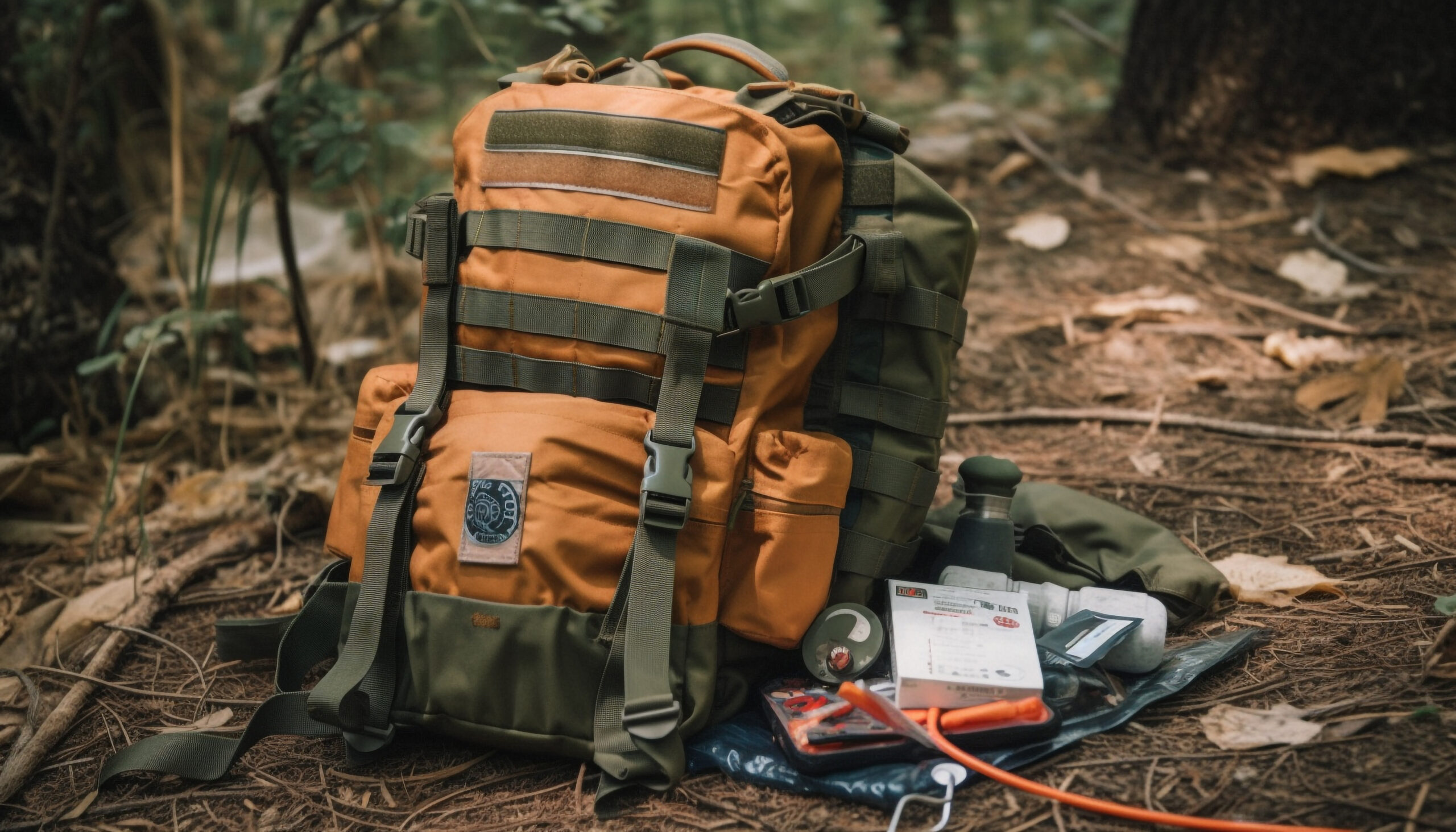
Emergency Wildfire Survival Kit Guide: Stay Ready, Stay Safe
Wildfires are no longer isolated disasters confined to remote regions. In recent years, they have become faster, more destructive, and far more unpredictable, affecting suburban neighborhoods, urban outskirts, and entire communities with little warning. As climate conditions worsen and fire seasons grow longer, preparation is no longer optional. It is a responsibility.
One of the most critical steps you can take to protect yourself and your loved ones is building a wildfire survival kit. When evacuation orders are issued or when escape routes suddenly close, having a ready, well-organized kit can mean the difference between panic and clarity, danger and safety, survival and tragedy.
This comprehensive guide will explain what a wildfire survival kit is, why it matters, exactly what to include, how to customize it for your household, and how to maintain it over time. Whether you live in a high-risk wildfire zone or simply want to be prepared, this guide is designed to help you stay ready and stay safe.
Table of Contents:
- What Is a Wildfire Survival Kit?
- Why Wildfire Preparedness Is More Important Than Ever
- How Wildfires Behave and Why Time Is Limited
- Core Principles of an Effective Wildfire Survival Kit
- The Complete Wildfire Survival Kit Checklist (Detailed Breakdown)
- Customizing a Wildfire Survival Kit for Your Household
- Vehicle and Workplace Wildfire Survival Kits
- How to Store, Maintain, and Update Your Kit
- Wildfire Survival Kit FAQs (5 Key Questions Answered)
- Common Mistakes That Put Lives at Risk
- Emotional and Mental Preparedness During Wildfires
- Final Thoughts: Preparedness Saves Lives
1. What Is a Wildfire Survival Kit?
A wildfire survival kit is a collection of essential supplies designed to sustain you and your household during a wildfire emergency. Unlike general emergency kits, wildfire kits are specifically tailored to address the unique dangers posed by wildfires, including extreme heat, toxic smoke, rapid evacuations, power outages, and long-term displacement.
A proper wildfire survival kit should support you for at least 72 hours, though many experts now recommend preparing for 5 to 7 days due to the increasing scale of wildfire disasters.
Your kit should be:
- Easy to grab at a moment’s notice
- Portable and lightweight
- Organized and clearly labeled
- Customized to your specific needs
2. Why Wildfire Preparedness Is More Important Than Ever

Key reasons wildfire survival kits are essential today include:
- Faster fire spread due to the wind and dry vegetation.
- Limited evacuation time, sometimes minutes rather than hours
- Overburdened emergency services
- Extended power, water, and communication outages
- Long-term displacement from homes
3. How Wildfires Behave and Why Time Is Limited
Wildfires can:
- Jump roads and firebreaks
- Change direction without warning.
- Create their own weather systems.
- Produce embers that ignite homes miles away.
Smoke alone can make areas uninhabitable even before flames arrive. Breathing wildfire smoke can cause immediate respiratory distress, worsen chronic conditions, and create long-term health risks.
Because conditions can deteriorate rapidly, evacuation orders may come late or not at all. A wildfire survival kit allows you to act immediately, even if official instructions are delayed.
4. Core Principles of an Effective Wildfire Survival Kit
Speed
Simplicity
Redundancy
Adaptability
5. The Complete Wildfire Survival Kit Checklist (Detailed Breakdown)
A. Water and Hydration Supplies
Water is the single most important survival resource.
- Minimum of 1 gallon per person per day
- Aim for 3–7 days of supply.
- Refillable water bottles
- Electrolyte packets to prevent dehydration
B. Food and Nutrition
Choose foods that:
- Require no refrigeration
- Need minimal preparation
- Provide high energy
Recommended items include:
- Protein bars and meal replacement bars
- Canned goods with pull-top lids
- Peanut butter or nut spreads.
- Dried fruit and nuts
C. Health, Medical, and Smoke Protection

Include:
- N95 or P100 respirator masks
- First aid kit
- Prescription medications (minimum 7-day supply)
- Pain relievers and anti-inflammatory meds
- Inhalers or respiratory medications
D. Clothing and Personal Protection
Proper clothing can protect you from heat, embers, and debris.
Pack:
- Long-sleeve shirts and pants (cotton or wool)
- Sturdy shoes or boots
- Gloves and hats
- Emergency blankets
E. Communication and Power
During wildfires, power outages are common.
Essential items:
- Battery-powered or hand-crank radio
- Portable power banks
- Charging cables
- Extra batteries
- Emergency whistle
F. Important Documents and Financial Records
Losing documents can delay recovery for months.
Include copies of:
- IDs and passports
- Insurance policies
- Medical records
- Property deeds or leases
- Emergency contact lists
G. Tools and Emergency Supplies
Helpful tools include:
- Flashlight or headlamp
- Multi-tool or knife
- Duct tape
- Work gloves
- Local maps with evacuation routes
6. Customizing a Wildfire Survival Kit for Your Household
- Comfort items (toys, books)
- Extra clothing
- Child-specific medications
- Snacks that children will eat.

- Mobility aids
- Backup medical devices
- Written care instructions
Pets
- Pet food and water
- Leashes or carriers
- Vaccination records
- Familiar toys
7. Vehicle and Workplace Wildfire Survival Kits
Vehicle Kits
Include:
- Water and blankets
- Flashlight
- Jumper cables
- First aid kit
8. How to Store, Maintain, and Update Your Kit
A wildfire survival kit requires ongoing attention.
- Review contents every 6 months.
- Replace expired food and medications.
- Update documents after life changes
- Recharge power banks quarterly.
9. Wildfire Survival Kit FAQs (5 Key Questions Answered)
1. How many wildfire survival kits should I have?
2. How heavy should my kit be?
3. Are wildfire survival kits expensive?
4. Do I need a kit even if I plan to evacuate early?
5. Can a wildfire survival kit help after the fire?
10. Common Mistakes That Put Lives at Risk
- Waiting until fire season starts
- Forgetting medications or documents
- Not preparing for pets.
- Storing kits in inaccessible locations
- Assuming evacuation will be easy
11. Emotional and Mental Preparedness During Wildfires
Wildfires cause fear, stress, and uncertainty.
Preparation helps by:
- Reducing panic
- Creating confidence
- Allowing quicker decision-making
12. Final Thoughts: Preparedness Saves Lives

Strong Call to Action – Eaton Fire
Prepare now, protect your life and livelihood. At Eaton Fire, we urge you: Do not wait for an evacuation order. Build your wildfire survival kit today, review your emergency plan, and stay informed throughout fire season.
🔥 If you or your family have been affected by a wildfire or need guidance on preparedness, evacuation, or recovery, Contact Eaton Fire today for a free consultation. We are here to help you stay ready, stay safe, and rebuild stronger.