
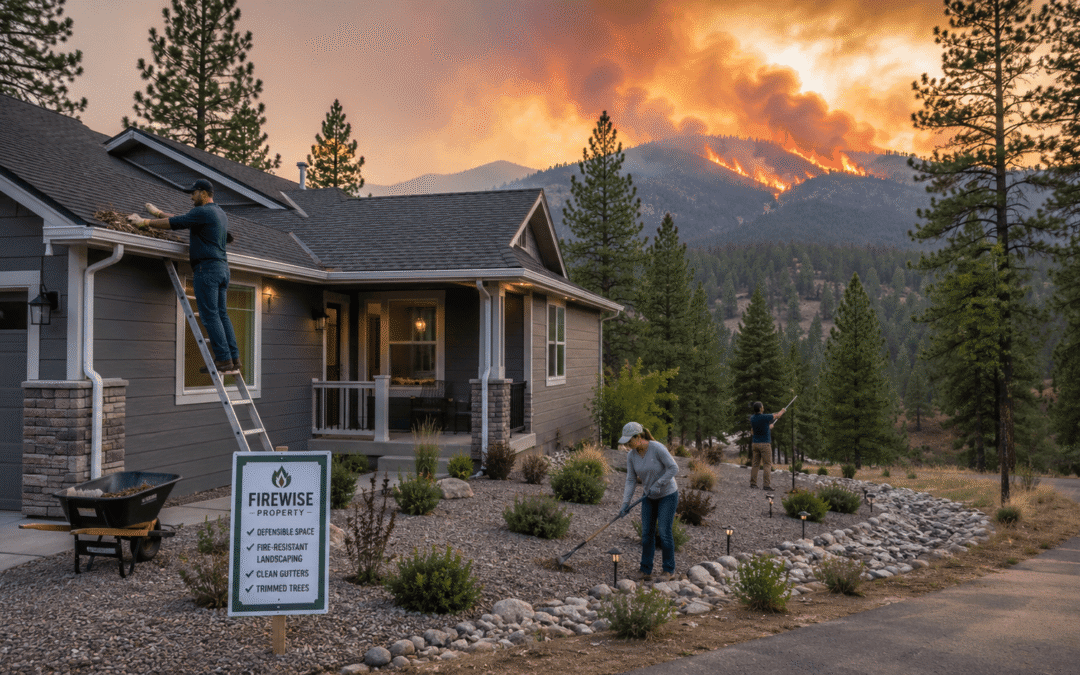
Wildfires have become increasingly common across many parts of the United States, causing billions of dollars in property damage, devastating ecosystems, and threatening countless lives every year. While no one can completely eliminate wildfire risk, understanding and implementing wildfire prevention strategies can dramatically reduce the likelihood of ignition and minimize damage when fires occur.
Whether you’re a homeowner, business owner, property manager, or resident living in a wildfire-prone area, proactive prevention is the best defense. Many wildfires are caused by preventable human activities, making education and preparedness essential for every community.
Table of Contents:
- Understanding Wildfires
- Why Wildfire Prevention Matters
- The Most Effective Wildfire Prevention Strategies
- Creating Defensible Space Around Your Property
- Home Hardening Against Wildfires
- Safe Outdoor Practices
- Community Wildfire Prevention Efforts
- Emergency Preparedness Before Wildfire Season
- Wildfire Prevention for Businesses
- Common Mistakes That Increase Fire Risk
- Climate Change and Future Wildfire Risks
- Frequently Asked Questions About Wildfire Prevention Strategies
- Final Thoughts
- Protect Your Rights After a Wildfire: Contact Eaton Fire Today
Understanding Wildfires
Wildfires are uncontrolled fires that spread through forests, grasslands, brush, and other natural areas. They can ignite and expand rapidly when dry vegetation, high temperatures, low humidity, and strong winds create favorable conditions. Unlike prescribed or controlled burns used to manage vegetation and reduce fuel buildup, wildfires often burn unpredictably, threatening lives, homes, businesses, and ecosystems.
Wildfires can be started by both natural events and human activities.
Common causes include:
- Lightning strikes
- Power line failures
- Unattended campfires
- Discarded cigarettes
- Fireworks
- Sparks from machinery or equipment
- Vehicle exhaust systems coming into contact with dry grass.
- Arson
- Agricultural or debris burning that escapes containment.
- Faulty electrical equipment or poor maintenance
While lightning is a natural source of ignition, human activities account for a significant number of wildfires each year. Many of these fires could be prevented through responsible behavior, regular property maintenance, and adherence to local fire safety regulations.
Understanding how wildfires start and spread is the foundation of effective wildfire prevention strategies. By recognizing common fire hazards and taking proactive measures to reduce ignition sources and combustible vegetation, homeowners and communities can significantly lower the risk of devastating wildfire damage.
Why Wildfire Prevention Matters?
Wildfires impact far more than forests; they can devastate entire communities, destroy critical infrastructure, and disrupt lives for years. In addition to burning homes and natural landscapes, wildfires threaten businesses, schools, hospitals, public utilities, wildlife habitats, and essential water resources.
The smoke produced by wildfires also degrades air quality, creating serious health risks for people with respiratory conditions, older adults, young children, and individuals with underlying heart or lung disease.
Wildfires can have lasting economic consequences for individuals and communities, including:
- Property damage and destruction
- Loss of business income and employment
- Expensive insurance claims and increased premiums
- Damage to roads, power lines, and public infrastructure
- Medical treatment and emergency response costs
- Evacuation, temporary housing, and relocation expenses
- Long-term environmental restoration and recovery efforts
Because the effects of a wildfire can be widespread and long-lasting, prevention is one of the most effective ways to protect lives, property, and natural resources. Implementing proven wildfire prevention strategies, such as maintaining defensible space, reducing combustible vegetation, and preparing for wildfire emergencies, can significantly reduce fire risk and improve a property’s ability to withstand a wildfire.
The Most Effective Wildfire Prevention Strategies
Successful wildfire prevention requires combining multiple protective measures rather than relying on a single solution.
1. Maintain Defensible Space
Creating defensible space is one of the most important wildfire prevention strategies.

Defensible space is the buffer between your home and surrounding vegetation that slows the spread of wildfire.
It helps:
- Reduce fuel sources
- Protect structures
- Improve firefighter access
- Increase home survival rates.
Experts generally recommend maintaining three zones surrounding the home
Immediate Zone (0–5 feet)
This area should contain as little combustible material as possible.
Recommendations include:
- Remove dry leaves
- Avoid mulch directly against the home.
- Store firewood away from structures.
- Clean roofs regularly
- Keep gutters debris-free
Intermediate Zone (5–30 feet)
Within this area:
- Trim shrubs
- Space trees apart
- Remove dead vegetation
- Cut grass regularly
- Eliminate ladder fuels
Extended Zone (30–100+ feet)
Depending on property size:
- Thin dense tree growth
- Remove fallen branches
- Maintain healthy vegetation
- Create separation between tree canopies.
These practices help reduce wildfire intensity before flames reach structures.
2. Fire-Resistant Landscaping
Landscaping choices play a major role in wildfire prevention.
Fire-resistant landscaping focuses on slowing the spread of fire while maintaining attractive outdoor spaces.

Recommended plants include:
- Succulents
- Native drought-resistant species
- Deciduous trees
- Low-growing groundcovers
Avoid highly flammable vegetation such as:
- Juniper
- Eucalyptus
- Dead ornamental grasses
- Dry pine needles
Regular irrigation also helps vegetation remain less combustible.
3. Remove Dead Vegetation
Dry vegetation serves as fuel for wildfire.
Property owners should routinely remove:
- Dead trees
- Fallen branches
- Dry leaves
- Pine needles
- Dead shrubs
- Overgrown weeds
Routine yard maintenance is among the simplest yet most effective wildfire prevention strategies.
4. Maintain Roofs and Gutters
Flying embers often ignite homes long before flames arrive.
Leaves and debris collected on roofs or inside gutters create ideal ignition points.
Maintenance includes:
- Cleaning gutters
- Removing pine needles
- Inspecting roofing materials
- Repairing damaged shingles
Metal roofing offers excellent wildfire resistance compared to wood shingles.
5. Use Fire-Resistant Building Materials
Home construction greatly influences wildfire survival.
Recommended materials include:
Roofing:
- Metal
- Clay tile
- Asphalt composition shingles
Siding:
- Fiber cement
- Brick
- Stucco
- Stone
Decking:
- Composite fire-rated materials
- Concrete patios
Replacing combustible materials reduces the risk of ignition from airborne embers.
6. Install Ember-Resistant Vents
Small embers can travel miles ahead of an advancing wildfire.
Standard attic vents allow embers to enter homes.
Install:
- Fine mesh vent screens
- Ember-resistant vents
- Covered crawlspace vents
These upgrades significantly reduce structural ignition.
7. Store Flammable Materials Safely
Many household products can intensify fires.
Store safely:
- Gasoline
- Propane tanks
- Firewood
- Paint
- Solvents
Keep combustible materials well away from homes.
8. Maintain Power Equipment
Power tools frequently spark wildfires.
Before using:
- Lawn mowers
- Chainsaws
- Weed trimmers
- Generators
Ensure:
- Spark arrestors function properly.
- Equipment receives regular maintenance.
- Operations occur during cooler hours.
Avoid operating equipment during high wind conditions.
Creating Defensible Space Around Your Property
Defensible space provides firefighters room to work while reducing fire intensity.
Effective defensible space includes:
Remove Ladder Fuels
Ladder fuels allow flames to climb from grass into tree canopies.
Remove:
- Low branches
- Tall shrubs beneath trees
- Dead brush
Separate Trees
Tree crowns should not overlap.
Spacing reduces the spread of crown fires through forests.
Keep Lawns Healthy
Green grass burns less aggressively than dry vegetation.
Water responsibly while complying with local conservation regulations.
Move Woodpiles
Store:
- Lumber
- Firewood
- Wooden fencing materials
At least 30 feet away from structures whenever possible.
Home Hardening Against Wildfires
Home hardening means modifying structures to resist ignition.
Recommended improvements include:

Install Tempered Glass Windows
Dual-pane tempered windows resist heat longer than standard glass.
Seal Gaps
Seal openings around:
- Pipes
- Utility lines
- Roof edges
- Foundations
Prevent embers from entering hidden spaces.
Upgrade Garage Doors
Older garage doors may warp during intense heat.
Modern fire-rated garage doors provide improved protection.
Cover Deck Undersides
Dry debris often accumulates beneath decks.
Enclosing or screening these spaces reduces the accumulation of embers.
Safe Outdoor Practices
Many preventable wildfires begin during outdoor recreation.
Practice safe habits:
Campfire Safety
- Use designated fire rings.
- Keep water and a shovel nearby.
- Never leave a fire unattended.
- Fully extinguish before leaving.
If ashes are warm, the fire is not completely out.
Dispose of Cigarettes Properly
Never discard cigarettes onto:
- Roadsides
- Trails
- Dry grass
- Forest floors
Use proper ash containers.
Fireworks Safety
Fireworks frequently ignite dry vegetation.
Many wildfire-prone communities prohibit fireworks during fire season.
Attend professional displays instead.
Vehicle Safety
Avoid parking vehicles over dry grass.
Hot exhaust systems can ignite vegetation beneath parked vehicles.
Community Wildfire Prevention Efforts
Wildfire prevention is most successful when entire communities participate.
Neighborhood programs include:
- Fuel reduction projects
- Community clean-up events
- Emergency evacuation planning
- Volunteer fire prevention education
- Firewise community initiatives
Collective action significantly improves overall safety.
Emergency Preparedness Before Wildfire Season
Preparation saves lives.
Create an emergency plan that includes:
Evacuation Routes
Know multiple escape routes from your neighborhood.
Road closures may occur unexpectedly.
Emergency Supply Kit
Include:

- Water
- Food
- Flashlights
- Medications
- Important documents
- Phone chargers
- Pet supplies
Maintain supplies year-round.
Family Communication Plan
Establish:
- Meeting locations
- Emergency contacts
- Out-of-state communication person
Every household member should understand the plan.
Sign Up for Alerts
Register for:
- Local emergency notifications
- Weather alerts
- Evacuation updates
Early warnings provide valuable preparation time.
Wildfire Prevention for Businesses
Businesses also face significant wildfire risks.
Commercial prevention measures include:
- Vegetation management
- Roof maintenance
- Employee evacuation plans
- Emergency communication systems
- Fire suppression equipment
- Generator maintenance
- Backup data storage
Business continuity planning helps reduce financial losses after disasters.
Common Mistakes That Increase Fire Risk
Many property owners unknowingly increase wildfire danger.
Common mistakes include:
Allowing Gutters to Fill
Dry leaves become fuel for airborne embers.
Storing Firewood Next to Homes
Firewood stacks easily ignite.
Ignoring Dead Trees
Standing dead trees increase fire intensity.
Planting Flammable Landscaping
Certain ornamental plants burn rapidly.
Skipping Annual Maintenance
Fire prevention requires ongoing attention rather than one-time cleanup.
Climate Change and Future Wildfire Risks
Longer droughts, higher temperatures, and changing weather patterns contribute to increasingly severe wildfire seasons in many regions.
As fire seasons become longer:
- Prevention becomes even more important.
- Communities need stronger building standards.
- Property owners should regularly reassess fire risks.
- Governments continue investing in mitigation efforts.
While individuals cannot control climate conditions, they can adopt wildfire-prevention strategies to reduce vulnerability.
Frequently Asked Questions About Wildfire Prevention Strategies
1. What are the most effective wildfire prevention strategies?
The most effective wildfire prevention strategies include creating defensible space around structures, removing dead vegetation, using fire-resistant building materials, maintaining roofs and gutters, practicing safe outdoor fire use, and preparing emergency evacuation plans. Combining these measures offers the greatest protection against wildfire damage.
2. How much defensible space should I create around my home?
While local recommendations may vary, many fire safety guidelines recommend maintaining at least 100 feet of defensible space when possible. The area closest to the home should be kept free of combustible materials, while vegetation farther away should be thinned and properly maintained.
3. Can landscaping really reduce wildfire risk?
Yes. Fire-resistant landscaping plays a major role in slowing the spread of flames. Choosing low-flammability plants, spacing vegetation appropriately, removing dead plant material, and keeping grass trimmed can significantly reduce the amount of fuel available to a wildfire.
4. What causes most wildfires?
Wildfires can be started by natural causes such as lightning, but many are caused by human activities. Common causes include unattended campfires, discarded cigarettes, equipment sparks, fireworks, power line failures, vehicle exhaust systems, and arson. Many of these causes are preventable with proper precautions.
5. What should I do if a wildfire threatens my property?
If authorities issue an evacuation order, leave immediately and follow designated evacuation routes. Do not wait until you can see flames approaching. Before leaving, close windows and doors, remove flammable outdoor items when safe to do so, shut off gas if instructed, and take your emergency kit, medications, important documents, and pets with you. Prioritizing personal safety is always more important than protecting property.
Final Thoughts
Wildfires are an increasingly serious threat, but proactive planning and responsible property maintenance can make a significant difference. By adopting proven wildfire prevention strategies, homeowners, businesses, and communities can reduce fire risks, improve safety, and better protect lives and property.
From maintaining defensible space and using fire-resistant construction materials to practicing safe outdoor habits and preparing emergency plans, every preventive measure contributes to stronger wildfire resilience. Prevention is not a one-time task; it is an ongoing commitment that requires regular inspections, seasonal maintenance, and community cooperation.
The cost of prevention is small compared to the devastating financial, emotional, and physical consequences of a major wildfire. Investing time in wildfire preparedness today can help safeguard your home, family, and future for years to come.
Protect Your Rights After a Wildfire: Contact Eaton Fire Today
While prevention is the best defense, some wildfires occur because of negligence, faulty equipment, or the actions of utilities, property owners, or other responsible parties. If you or your loved ones have suffered property damage, injuries, business losses, or emotional hardship due to a wildfire, you may have legal options.

Eaton Fire is committed to helping wildfire victims understand their rights and pursue the compensation they deserve. Our experienced legal team can evaluate your case, explain your options, and fight for financial recovery related to property damage, lost income, medical expenses, relocation costs, and other wildfire-related losses.
Don’t face the aftermath of a wildfire alone. Contact Eaton Fire today for a free consultation and let our experienced team help you take the first step toward rebuilding your future.