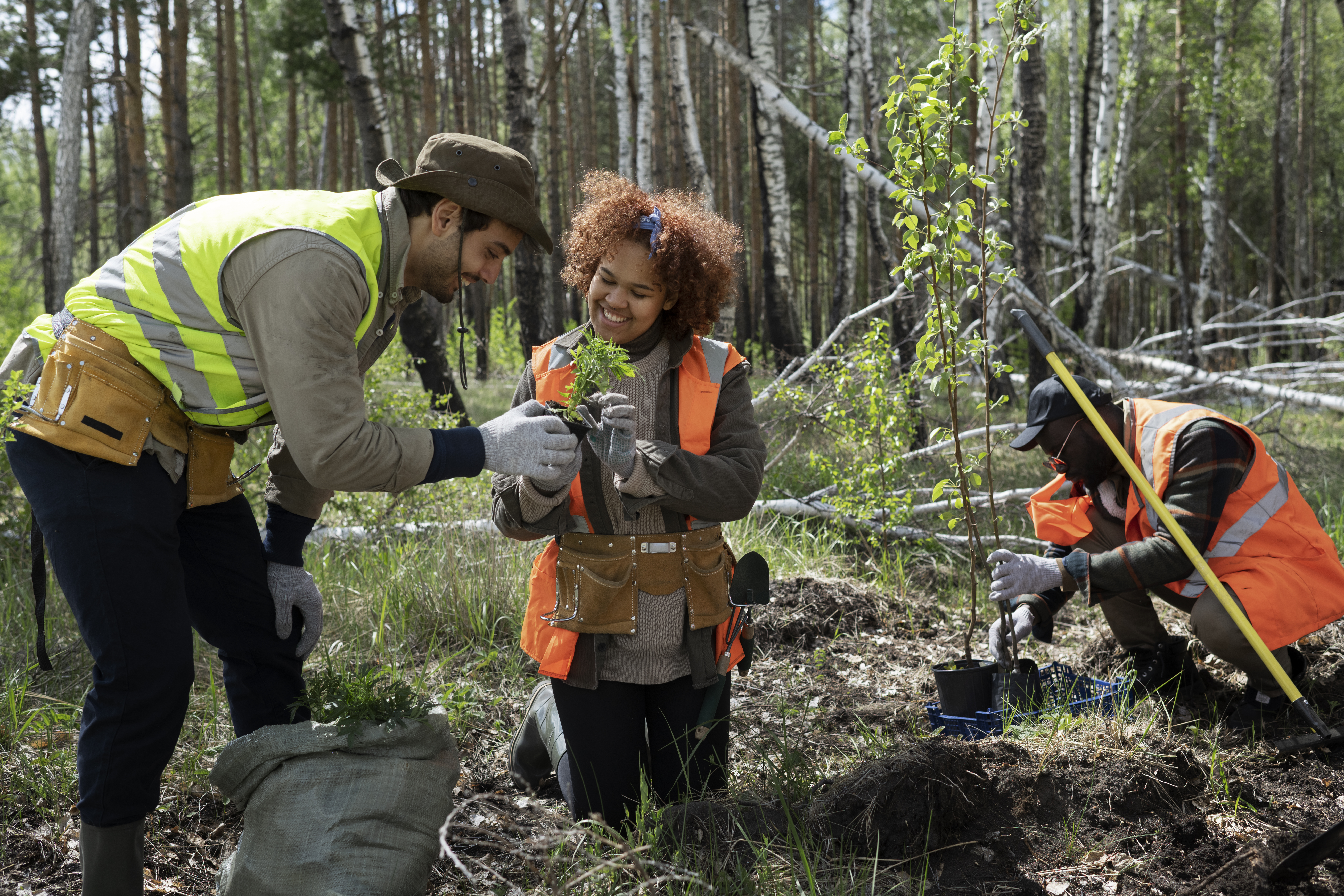
Why Wildfire Reforestation Matters: Environmental and Economic Benefits

Wildfires are reshaping landscapes, communities, and ecosystems at an unprecedented scale. Once considered seasonal or regional events, wildfires have become year-round threats driven by climate change, prolonged droughts, and expanding development into fire-prone areas. In places like California, entire ecosystems are altered within hours, leaving behind scorched earth, displaced wildlife, damaged infrastructure, and communities searching for stability. While emergency response and rebuilding are critical in the immediate aftermath, long-term recovery depends heavily on wildfire reforestation.

Wildfire reforestation is a powerful tool for restoring burned land, protecting communities, and rebuilding local economies. It merges environmental stewardship with economic recovery, ensuring fire-affected areas are not left vulnerable for generations.

Table of Contents:

  1. What Is Wildfire Reforestation?
  2. Why Wildfires Cause Long-Term Environmental Damage
  3. The Role of Wildfire Reforestation in Ecosystem Recovery
  4. Soil Restoration and Erosion Prevention
  5. Water Systems and Watershed Protection
  6. Climate Change, Carbon Storage, and Reforestation
  7. Wildlife Habitat Restoration
  8. The Economic Impact of Wildfires on Communities
  9. Economic Benefits of Wildfire Reforestation
  10. Job Creation and Workforce Development
  11. Reducing Long-Term Disaster Costs
  12. Common Challenges in Wildfire Reforestation
  13. Frequently Asked Questions About Wildfire Reforestation
  14. Eaton Fire’s Commitment to Long-Term Recovery
  15. Conclusion and Call to Action

      What Is Wildfire Reforestation?

      Wildfire reforestation intentionally restores forests after fire damage. While some natural regrowth occurs, many modern wildfires are too intense for ecosystems to recover on their own. Reforestation bridges this gap through ecological science, climate data, and long-term management.

      Reforestation efforts may include:

      • Planting native and fire-resilient tree species
      • Stabilizing soil and slopes
      • Removing invasive plants
      • Supporting natural regeneration
      • Managing forest density to reduce future fire risk
      The goal is not simply to replace trees, but to rebuild healthy, resilient ecosystems that can withstand future environmental stressors.

      Why Wildfires Cause Long-Term Environmental Damage

      Wildfires fundamentally alter the environment far beyond the visible burn scars.

      Vegetation Loss and Ecosystem Collapse
      Trees, shrubs, and ground cover form the foundation of forest ecosystems. When fire removes this vegetation, the entire ecological structure collapses. Nutrient cycles are disrupted, shade disappears, and soil temperatures increase, making it difficult for plants to regrow naturally.

      Soil Damage
      High-severity fires can:
      Dry, cracked soil illustrating the impact of drought and climate change, with new plant growth representing environmental resilience and sustainable land management
      • Destroy organic matter
      • Kill beneficial microorganisms
      • Create water-repellent soil layers.
      This makes the land vulnerable to erosion, mudslides, and flooding, sometimes years after the fire has ended.

      Increased Flood and Landslide Risk
      Without tree roots to anchor the soil, rainfall runs off quickly, carrying debris into streams and neighborhoods. This secondary damage often exceeds the original fire damage.

      Wildfire reforestation directly addresses these long-term threats by restoring the natural systems that stabilize the land. Understanding this connection is key to appreciating how reforestation fits into broader ecosystem recovery efforts.

      The Role of Wildfire Reforestation in Ecosystem Recovery

      Healthy ecosystems rely on balance. Wildfire reforestation accelerates the return of that balance by strategically reintroducing plant life.

      Native Species Restoration
      Planting native trees and plants (those that naturally grow in the area) ensures compatibility with local wildlife, climate, and soil conditions. Native species are more resilient and less likely to contribute to future fire hazards.

      Biodiversity Support
      Diverse forests recover faster and resist disease, pests, and extreme weather. Reforestation promotes species diversity rather than monoculture planting, which can increase vulnerability.

      Forest Structure Rehabilitation
      Proper reforestation rebuilds forest layers, canopy, understory, and ground cover, creating healthier, more fire-resistant landscapes.

      Soil Restoration and Erosion Prevention

      One of the most immediate benefits of wildfire reforestation is soil stabilization.

      Tree roots hold soil in place, preventing:

      • Landslides on slopes
      • Sediment runoff into waterways
      • Damage to roads, homes, and infrastructure

      In regions like Eaton Canyon, where steep terrain meets urban development, soil restoration is critical to community safety.

      Reforestation also improves soil fertility by restoring organic matter and microbial life, enabling long-term plant growth. These soil improvements directly impact the health of water systems and watershed protection in vulnerable communities.

      Water Systems and Watershed Protection

      Forests play a crucial role in regulating water systems.

      Water Filtration
      Vegetation filters pollutants before they reach rivers and groundwater. Burned landscapes allow ash, debris, and chemicals to contaminate water supplies.

      Flood Mitigation
      Reforested areas absorb rainfall more effectively, reducing the risk of flash flooding and downstream damage.

      Long-Term Water Security
      Healthy forests protect reservoirs and aquifers that communities rely on for drinking water, agriculture, and industry.

      Wildfire reforestation safeguards water resources that are increasingly threatened by drought and climate change. Protecting water systems also contributes to climate resilience and carbon storage, which are essential in the face of ongoing environmental change.

      Climate Change, Carbon Storage, and Reforestation

      Wildfires release massive amounts of carbon dioxide into the atmosphere. Without reforestation, burned areas may become long-term carbon sources instead of carbon sinks.

      Carbon Sequestration
      Trees absorb CO₂ (carbon dioxide, a greenhouse gas) as they grow, helping offset emissions from wildfires and other sources.

      Climate Resilience
      Reforested landscapes regulate temperature, improve humidity, and reduce extreme heat conditions that can otherwise fuel future fires.

      Wildfire reforestation is a critical climate mitigation strategy, especially in fire-prone regions. Its benefits extend further, supporting the restoration of wildlife habitats for species impacted by fire.

      Wildlife Habitat Restoration

      Wildfires displace animals, destroy nesting sites, and eliminate food sources. Some species never return without intervention.
      Aftermath of a forest fire showing burnt timber and charred undergrowth, representing wildfire damage, ecological recovery, and environmental conservation challenges

      Reforestation helps by:

      From pollinators to large mammals, wildlife recovery depends on intentional landscape restoration. Along with ecological consequences, wildfires also leave a lasting economic impact on local communities.

      The Economic Impact of Wildfires on Communities

      Wildfires impose massive economic burdens that extend far beyond firefighting costs.

      Immediate Financial Losses
      • Home and business destruction
      • Infrastructure repair
      • Emergency services

      Long-Term Economic Damage
      • Reduced property values
      • Declining tourism
      • Job losses
      • Higher insurance premiums
      Communities that fail to restore their landscapes often struggle economically for decades. To counter these effects, wildfire reforestation provides a pathway to rebuild prosperity and stability.

      Economic Benefits of Wildfire Reforestation

      Wildfire reforestation delivers measurable economic returns.

      Increased Property Values
      Green, restored landscapes enhance desirability and reduce perceived risk.

      Tourism and Recreation Growth
      Healthy forests support hiking, camping, and outdoor tourism, revitalizing local economies.

      Business Stability
      Reduced disaster risk encourages investment and lowers long-term insurance costs.

      Job Creation and Workforce Development

      Reforestation projects create meaningful employment opportunities.

      Jobs include:

      • Tree planting and forestry work
      • Environmental monitoring
      • Land management and maintenance
      • Construction and erosion control
      Many programs prioritize local hiring, helping wildfire-affected residents rebuild their livelihoods.

      Reducing Long-Term Disaster Costs

      Preventive investment saves money.

      Reforested areas experience:

      • Fewer floods and landslides
      • Lower wildfire intensity
      • Reduced emergency response costs
      Every dollar spent on wildfire reforestation can save multiple dollars in future disaster recovery. However, achieving these savings often requires overcoming significant operational and funding challenges.

      Common Challenges in Wildfire Reforestation

      Despite its benefits, reforestation is complex.

      Funding Gaps
      Short-term funding without long-term planning limits success.

      Poor Planning
      Planting the wrong species or ignoring climate trends can undermine recovery.

      Public Misconceptions
      Many believe forests will recover naturally, underestimating the severity of modern wildfires.
      Eaton Fire supports science-driven, sustainable solutions that overcome these challenges. Addressing common questions helps clarify the role and importance of wildfire reforestation.

      Frequently Asked Questions About Wildfire Reforestation


      1. What is wildfire reforestation?
      Wildfire reforestation is the intentional restoration of burned landscapes through the use of native plants, soil stabilization, and long-term management.

      2. Why is wildfire reforestation necessary?
      Modern wildfires often prevent natural recovery. Reforestation accelerates healing and reduces future risks.

      3. How long does reforestation take?
      Initial recovery may take years, while full ecosystem restoration can take decades.

      4. Does reforestation reduce future wildfire risk?
      Yes. Managed forests with healthy diversity burn less intensely and spread more slowly.

      5. How can communities support wildfire reforestation?
      Through advocacy, funding support, volunteer efforts, and responsible land management. Community involvement on these fronts is vital to lasting recovery efforts, such as those promoted by Eaton Fire.

      Eaton Fire’s Commitment to Long-Term Recovery

      At Eaton Fire, we believe recovery must go beyond immediate response. True recovery restores ecosystems, protects communities, and builds resilience. Wildfire reforestation is central to our mission.

      We focus on:

      • Education and awareness
      • Advocacy for sustainable recovery
      • Supporting long-term environmental solutions

      Conclusion and Call to Action

      Wildfires may be unavoidable, but permanent damage need not be. Wildfire reforestation is one of the most effective ways to protect our environment, rebuild local economies, and safeguard future generations.

      If your community has been affected by wildfire or is at risk, now is the time to act.

      👉 Contact Eaton Fire today for a free consultation and recovery efforts can make a lasting difference. Get informed, get involved, and help turn wildfire devastation into long-term resilience. Together, we can rebuild stronger than before.

      Home
      Call Us
      Text Us
      Search