
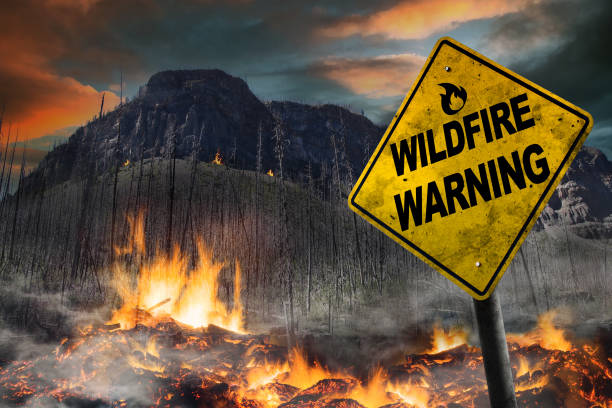
What Makes Wildfires So Hard to Control?
Wildfires are becoming more frequent, intense, and destructive than ever before. From sprawling forest infernos to fast-moving grassfires that ravage entire communities within hours, wildfires pose one of the most daunting emergencies that firefighters and governments worldwide face.
But one critical question continues to surface among homeowners, policymakers, and disaster-response professionals alike: why are wildfires so difficult to extinguish?
Understanding the answer is not just an academic exercise. It directly impacts how communities prepare, how emergency responses are planned, and how individuals protect their homes, families, and financial futures.
In this guide, we examine the scientific, environmental, logistical, and human factors that make wildfires uniquely difficult to control and discuss the implications for you.
Table of Contents:
- Introduction: The Growing Wildfire Crisis
- The Science of Fire Behavior
- Why Are Wildfires So Difficult to Extinguish? (Quick Overview)
- Question 1: How Do Weather Conditions Make Wildfires Harder to Control?
- Question 2: Why Does Terrain Play Such a Major Role in Firefighting Challenges?
- Question 3: How Do Vegetation and Fuel Load Affect Fire Suppression?
- Question 4: Why Can’t Firefighters Simply Put Wildfires Out with Water?
- Question 5: How Do Human Factors and Infrastructure Complicate Wildfire Control?
- Climate Change and the Escalation of Extreme Wildfires
- The Limits of Modern Firefighting Technology
- The Hidden Dangers Firefighters Face
- Why Wildfires Often Last for Weeks or Months
- The Long-Term Impact on Communities and Homeowners
- Preparing for the Reality of Wildfires
- Final Thoughts: What This Means for You
- Strong Call To Action – Eaton Fire
1. Introduction: The Growing Wildfire Crisis
Over the last two decades, wildfires have transformed from seasonal threats into year-round disasters. Regions once considered low-risk now face catastrophic fires that destroy thousands of homes, displace families, and overwhelm emergency response systems.
What makes this crisis especially alarming is that many of today’s wildfires behave in unprecedented ways: spreading rapidly, burning intensely, and resisting suppression far longer than past fires.
To understand why wildfires are so difficult to extinguish, we must examine the interplay of science, the environment, and human development.
2. The Science of Fire Behavior
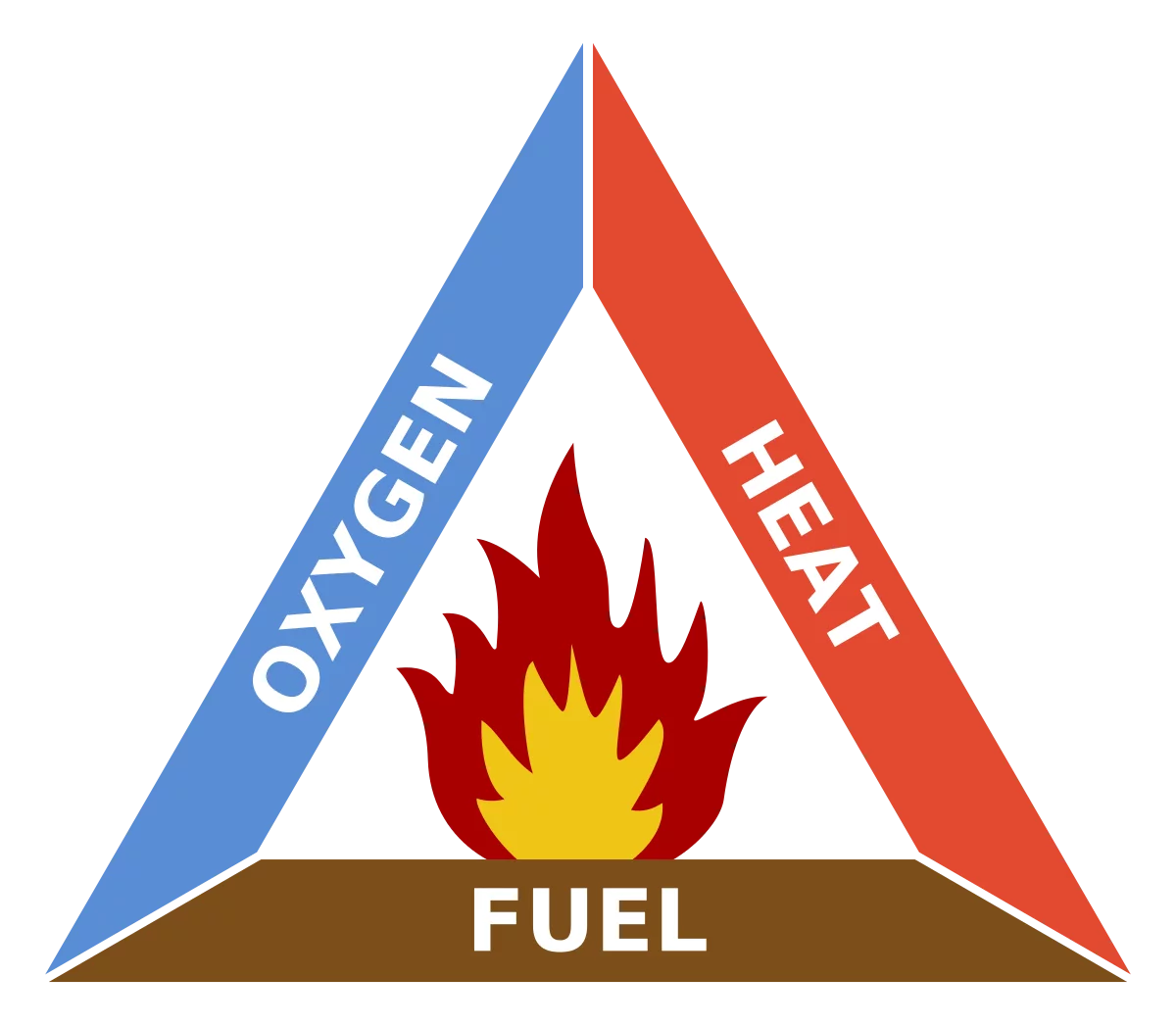
- Fuel
- Oxygen
- Heat
Wildfires, however, don’t merely burn; they consume, mutate, and adjust to surrounding conditions. Wind accelerates flames, heat withers vegetation ahead of the fire, and embers leap miles past containment lines, igniting new blazes.
Unlike structural fires, wildfires operate on a massive scale and interact with weather and topography, making prediction and control extremely difficult.
3. Why Are Wildfires So Difficult to Extinguish? (Quick Overview)
- They spread rapidly over vast areas.
- Weather conditions can change unpredictably.
- Terrain often limits access for firefighters.
- Fuel sources are abundant and continuous.
- Water and retardants have physical limitations.
- Human development places lives and infrastructure at risk.
4. Question 1: How Do Weather Conditions Make Wildfires Harder to Control?
Answer: Weather is one of the most powerful and uncontrollable forces influencing wildfire behavior.
Key Weather Challenges:
- Wind speeds can push flames faster than humans or equipment can respond.
- Low humidity dries vegetation, turning it into tinder.
- Heat waves extend fire seasons and increase the likelihood of ignition.
- Unpredictable shifts can cause fires to change direction instantly.
In many cases, firefighters must retreat for their safety due to weather conditions, not because of a lack of skill, highlighting how these conditions can make suppression extremely challenging or even impossible.
This is a major reason why wildfires are so difficult to extinguish, even with advanced forecasting tools.
5. Question 2: Why Does Terrain Play Such a Major Role in Firefighting Challenges?
Answer: Terrain dictates access, speed, and strategy, often limiting what firefighters can realistically do.
- Roads are limited or nonexistent.
- Steep slopes accelerate fire spread uphill.
- Equipment cannot be transported easily.
- Aircraft may be grounded due to smoke or wind.
Fire moves uphill quickly because heat rises, preheating vegetation above. This creates a dangerous situation as flames outrun suppression efforts.
In rugged terrain, constructing and maintaining containment lines is challenging, highlighting why wildfires are so difficult to extinguish.
6. Question 3: How Does Vegetation and Fuel Load Affect Fire Suppression?
Answer: Wildfires thrive on plentiful fuel in today’s landscapes.
Fuel-Related Challenges:
- Dense underbrush burns intensely.
- Dead trees ignite rapidly.
- Resin-rich plants increase flame intensity.
- Continuous fuel allows fires to spread uninterrupted.
When fuel is abundant, fires burn hotter and longer, overwhelming suppression efforts.
This fuel overload is a primary reason wildfires are so difficult to extinguish, even with large firefighting forces.
7. Question 4: Why can’t Firefighters Simply Put out wildfires with Water?

- Fires may cover thousands of acres.
- Water evaporates quickly in extreme heat.
- Remote locations lack water sources.
- Aerial drops are imprecise and temporary.
Unlike house fires, wildfires cannot be extinguished with water because they burn over such large areas and may burn deep into the soil or vegetation. Firefighters must instead focus on containing the fire, meaning they try to control its boundaries and let it burn out in a controlled way.
This reality is central to understanding why wildfires are so hard to extinguish.
8. Question 5: How Do Human Factors and Infrastructure Complicate Wildfire Control?
Answer: Human development adds layers of complexity that prioritize life over fire suppression.
When wildfires threaten homes, firefighters shift from containment to evacuation and structure protection, diverting resources and slowing suppression.
Additional challenges include:
- Power lines sparking new ignitions
- Traffic congestion during evacuations
- Limited defensible space around aging infrastructure is vulnerable to fire. fire
9. Climate Change and the Escalation of Extreme Wildfires
Climate change is no longer a background factor in wildfire behavior; it is one of the primary drivers behind why modern wildfires are larger, faster, hotter, and far more difficult to control than those of previous decades. In simple terms, climate change acts as a force multiplier, intensifying conditions that allow fires to ignite, spread, and resist suppression.
As global temperatures rise and weather patterns shift, wildfire behavior exceeds historical norms. Firefighters now face fires that surpass traditional response strategies, equipment, and containment models. This reality explains why wildfires are so difficult to extinguish today.
Longer and More Severe Droughts Create Highly Flammable Landscapes
One direct impact of climate change is a more prolonged drought. Many wildfire-prone regions now experience longer, drier seasons with little rainfall, leaving forests, grasslands, and shrublands dangerously dry.
Dry vegetation becomes extremely volatile fuel. As trees, grasses, and underbrush lose moisture, fires ignite and spread more easily. Even typically fire-resistant vegetation, such as large trees, can ignite during extreme drought.
When drought persists for months or years:
- Soil moisture decreases, stressing plants and killing trees.
- Dead and dying vegetation accumulates.
- Fuel loads become continuous and uninterrupted.
- Fires burn deeper into root systems and organic soil layers. These conditions make suppression efforts far less effective. Firefighters battle both surface flames and underground smoldering fires that repeatedly reignite. This is a major reason wildfires are so hard to extinguish, even after visible flames appear under control.
Rising Temperatures Extend and Intensify Fire Seasons
Hotter temperatures:
- Dry vegetation faster
- Increase evaporation rates
- Reduce overnight fire recovery.
- Raise the likelihood of ignition from both natural and human sources.
Historically, cooler nights slowed fires, allowing firefighters to strengthen containment lines. Today, warmer nights often keep fires active, eliminating critical recovery windows.
Extended fire seasons also strain firefighting resources. Personnel, aircraft, and equipment are deployed for longer periods, leading to fatigue, limited availability, and delayed responses. This resource exhaustion directly contributes to why wildfires are so difficult to extinguish during peak activity periods.
Earlier Snowmelt Reduces Natural Moisture Barriers
In mountainous and forested regions, snowpack once acted as a natural fire suppressant. Gradual snowmelt provided steady moisture to vegetation well into late spring and early summer, delaying fire risk.
Climate change has disrupted this balance. Warmer winters and earlier spring temperatures cause snow to melt weeks or even months earlier than normal. As a result:
- Soil dries out sooner.
- Vegetation loses moisture earlier in the year.
- Fire seasons begin earlier and last longer.
Extreme Wind Events Are Becoming More Common and More Dangerous

- Push flames rapidly across terrain.
- Carry embers miles ahead of the main fire.
- Cause spot fires that bypass containment lines
- Ground aircraft, limiting aerial suppression
In some cases, wind-driven fires spread faster than evacuation efforts can keep up with, creating life-threatening situations for both residents and firefighters.
When combined with drought and heat, extreme winds create conditions where fires generate their own weather systems, including fire whirls and pyro cumulonimbus clouds. These phenomena make fires unpredictable and extraordinarily dangerous, reinforcing why wildfires are so difficult to extinguish once wind conditions escalate.
10. The Limits of Modern Firefighting Technology
Despite advances in drones, satellite mapping, and fire modeling, technology cannot overcome the laws of physics.
Fire behavior can still:
- Shift faster than models predict
- Create fire-generated weather
- Produce ember storms miles ahead.
11. The Hidden Dangers Firefighters Face
Wildfire suppression is among the most dangerous professions in the world.
Firefighters confront:
- Extreme heat and dehydration
- Falling trees and collapsing terrain
- Smoke inhalation
- Sudden fire blowups
12. Why Wildfires Often Last for Weeks or Months
Large wildfires rarely end with dramatic extinguishment. Instead, they are gradually contained and monitored until weather conditions help suppress remaining flames.
Some fires persist underground in roots and soil, reigniting long after visible flames disappear.
13. The Long-Term Impact on Communities and Homeowners
- Insurance disputes
- Long-term displacement
- Health complications
- Environmental degradation
14. Preparing for the Reality of Wildfires
- Creating defensible space
- Hardening homes
- Reviewing insurance coverage
- Knowing evacuation routes
15. Final Thoughts: What This Means for You
Because they are not just fires, they are complex, evolving natural disasters fueled by climate, terrain, fuel, and human development. No single solution exists, and suppression is often about minimizing damage rather than achieving immediate extinction.
Knowledge is the first step toward resilience.
16. Strong Call to Action – Eaton Fire

Our team specializes in guiding wildfire victims through recovery, insurance challenges, and next steps so you can focus on rebuilding and moving forward.
👉 Contact Eaton Fire today for a free consultation to get expert guidance, protect your rights, and take control of your recovery after a wildfire.
When wildfires change everything, Eaton Fire stands with you.