
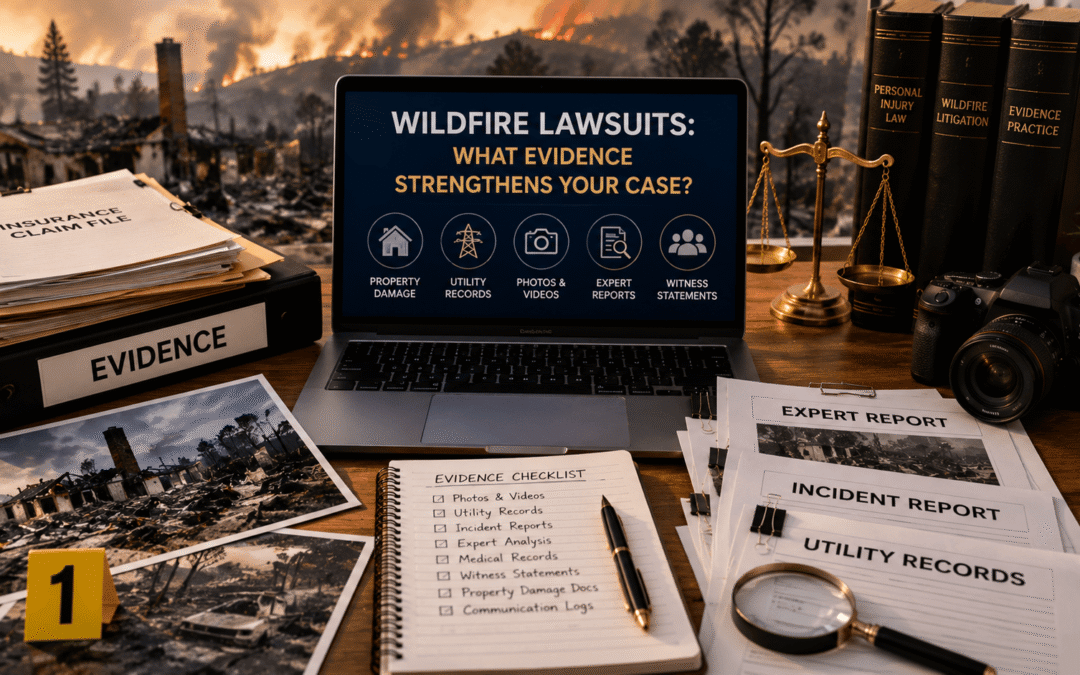
When wildfires destroy homes, businesses, or entire communities, people often face serious financial and emotional challenges. Insurance might help with some costs, but it usually does not cover everything or make up for the long-term effects. That is why many people decide to take legal action against those whose negligence contributed to the disaster.
However, not every claim is equally successful. Many people ask, What Makes a Wildfire Case Strong? The answer lies in the quality of evidence, documentation, legal strategy, and the ability to establish liability.
No matter if a wildfire started because of faulty utility equipment, poor maintenance, construction work, or another preventable reason, gathering the right evidence can greatly improve your chances of getting fair compensation.
Table of Contents:
- What Makes a Wildfire Case Strong?
- Understanding Wildfire Lawsuits
- Why Evidence Is the Foundation of Every Wildfire Claim?
- Types of Evidence That Strengthen a Wildfire Case
- How to Prove Liability in a Wildfire Lawsuit?
- Why Documentation Matters More Than You Think?
- Expert Witnesses and Their Role in Wildfire Cases
- Common Mistakes That Can Weaken a Wildfire Claim
- The Importance of Acting Quickly
- How an Experienced Attorney Builds a Strong Case?
- Frequently Asked Questions
- Final Thoughts
What Makes a Wildfire Case Strong?
The simplest answer to what makes a wildfire case strong is this:
A strong wildfire case clearly shows that someone else’s negligence caused or contributed to the wildfire, and that the victim suffered real, measurable losses because of it.
A successful claim generally requires proof of four essential legal elements:
- Duty of care
- Breach of that duty
- Causation
- Damages
You need credible evidence to support each of these points.
The more documentation you have, the stronger your claim will be.
Understanding Wildfire Lawsuits
Wildfire lawsuits seek financial compensation for people harmed by fires that could have been prevented.

Depending on the circumstances, victims may sue:
- Utility companies
- Government entities
- Contractors
- Property owners
- Construction companies
- Logging companies
- Equipment manufacturers
- Railroad operators
These lawsuits usually follow investigations that show human negligence, not natural causes, started or worsened the wildfire.
Examples include:
- Downed power lines
- Poor vegetation management
- Electrical failures
- Equipment sparks
- Illegal burns
- Negligent campfires
- Improper maintenance
If negligence can be proven, victims may be able to get compensation that goes beyond what insurance covers.
Why Evidence Is the Foundation of Every Wildfire Claim?
Evidence shows what happened. Without evidence, even legitimate claims become difficult to prove.
Insurance companies and defense attorneys often challenge:
- How the fire started
- Who caused it
- The extent of damages
- The value of lost property
- Whether negligence actually occurred
Strong evidence helps clear up any doubts.
It helps create a clear timeline that links the defendant’s actions to the victim’s losses.
Types of Evidence That Strengthen a Wildfire Case
Many different forms of evidence may help establish liability and damages.
Fire Investigation Reports
Official fire investigation reports are some of the most important pieces of evidence.
These reports often identify:
- Origin of the fire
- Probable cause
- Contributing factors
- Weather conditions
- Electrical failures
- Human activitie
Investigators may come from:
- Fire departments
- State agencies
- Federal agencies
- Independent experts
Their findings often become key evidence in court.
Utility Company Records
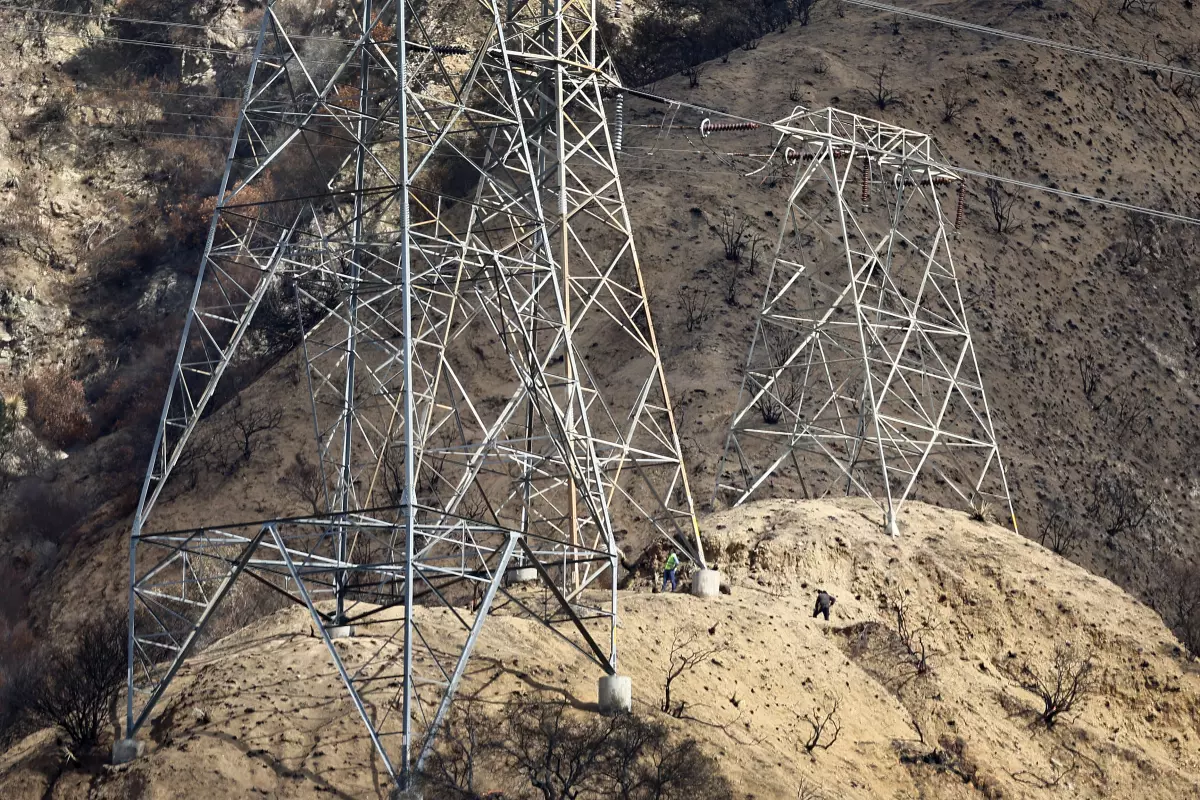
Many wildfire lawsuits involve electrical equipment.
Records may reveal:
- Inspection history
- Maintenance schedules
- Prior equipment failures
- Power outages
- Repair delays
- Internal safety concerns
These documents can show if the utility company did not properly maintain its equipment.
Photographs and Videos
Photos and videos can be very convincing.
Victims should preserve photos showing:
- Property before the wildfire
- Fire damage
- Smoke damage
- Structural collapse
- Burned landscaping
- Destroyed vehicles
- Personal belongings
- Temporary housing conditions
Drone footage can also capture the extent of the damage.
Surveillance Footage
Security cameras sometimes capture:
- Initial flames
- Downed power lines
- Equipment malfunctions
- Vehicle activity
- Construction work
- Weather conditions
This kind of footage can give clear proof of how the wildfire started.
Witness Statements
Eyewitnesses can give important firsthand details.
Witnesses may describe:
- Sparks from power lines
- Explosions
- Utility failures
- Smoke development
- Emergency response
- Evacuation timelines
Having several witnesses who tell the same story makes your case more believable.
Property Documentation
One of the hardest parts after a wildfire is showing how much your lost property was worth.
Helpful records include:
- Purchase receipts
- Credit card statements
- Home inventories
- Insurance documents
- Warranty records
- Photos of valuables
- Appraisals
Even family photos from before the fire can help show what belongings were lost.
Medical Records
Wildfires can lead to serious physical injuries.
Medical evidence may document:
- Burns
- Smoke inhalation
- Respiratory illnesses
- Emotional trauma
- Anxiety
- PTSD
- Hospitalization
- Rehabilitation
Medical records can show that the wildfire caused injuries.
Financial Records
Victims often lose more money than just the value of their property.
Relevant documents include:
- Hotel expenses
- Temporary housing
- Food costs
- Travel expenses
- Lost wages
- Business interruption losses
- Repair estimates
These records help figure out the full amount of financial losses.
Insurance Communications
Keep copies of everything you send to or get from your insurance company.
This includes:
- Claim submissions
- Denial letters
- Settlement offers
- Emails
- Adjuster reports
- Inspection summaries
These documents can be important if there are any disagreements later.
How to Prove Liability in a Wildfire Lawsuit?
Establishing who is responsible is one of the most important parts of a wildfire claim. Plaintiffs generally need to show that a responsible party failed to exercise reasonable care and that this failure directly caused the wildfire or substantially contributed to its spread.
Negligence
Negligence may involve:
- Ignoring safety regulations
- Failing to inspect equipment
- Delaying necessary repairs
- Poor vegetation management
- Improper operation of machinery
- Unsafe construction practices
Evidence of repeated safety problems can make your claim much stronger.
Causation
It is not enough to prove negligence alone. You also have to show that the negligent act caused or played a big part in the wildfire.
This often requires:
- Fire origin analysis
- Engineering reports
- Scientific testing
- Weather data
- Utility records
- Expert testimony
Damages
You must prove what losses you suffered because of the wildfire.
Compensation may include:
- Home damage
- Personal property loss
- Medical expenses
- Lost income
- Business losses
- Emotional distress
- Temporary housing
- Future rehabilitation costs
Why Documentation Matters More Than You Think?
Many people do not realize how important documentation is, even months or years after a wildfire.
The legal process can take a long time, and people’s memories may fade.
Keeping your records organized helps your attorney build a stronger case.
Helpful documentation includes:
- Insurance paperwork
- Contractor estimates
- Repair invoices
- Medical bills
- Utility bills
- Tax records
- Business income reports
- Photographs
- Emails
- Text messages
Storing all your documents in one safe place can make the claims process much easier.
Expert Witnesses and Their Role in Wildfire Cases
Expert witnesses often play a key role in wildfire lawsuits. They explain complicated technical issues in ways that judges and juries can understand. Common experts include:
Fire Origin Experts
They analyze burn patterns and ignition sources to determine how the fire started.
Electrical Engineers
These professionals examine electrical systems, transmission lines, transformers, and utility equipment for defects or failures.
Meteorologists
Weather experts explain how wind speed, humidity, drought conditions, and other environmental factors affected the wildfire’s spread.
Structural Engineers
They evaluate damage to homes, buildings, and infrastructure, helping estimate repair or replacement costs.
Medical Experts
Doctors and specialists connect physical injuries or long-term health conditions to wildfire exposure.
Economists and Financial Experts
These professionals calculate lost income, reduced earning capacity, business interruption losses, and future financial damages.
Their testimony often makes your case more believable and helps show the full amount of your losses.
Common Mistakes That Can Weaken a Wildfire Claim
Even strong cases can be weakened by mistakes that could have been avoided. Some of the most common mistakes include:
Waiting Too Long to Seek Legal Advice
Evidence can be lost, witnesses can be hard to find, and deadlines can pass. Getting legal advice quickly helps you keep important information safe.
Throwing Away Damaged Property
It might be tempting to throw away things damaged by the fire, but they can be important evidence. Take photos and make notes about these items before getting rid of them, and talk to your attorney if you can.
Accepting an Early Settlement
Insurance companies or others may offer you a quick settlement that does not cover all your losses. If you accept, you might not be able to ask for more money later.
Failing to Keep Receipts
Costs for temporary housing, food, travel, and repairs can add up fast. Keeping your receipts helps show how much the wildfire cost you.
Posts about your property, recovery, or activities on social media can be misunderstood and used against you in court. It is usually best to be careful about what you share while your claim is still open.
The Importance of Acting Quickly
Time matters in wildfire lawsuits.
Evidence may deteriorate due to:
- Weather
- Cleanup efforts
- Demolition
- Repairs
- Loss of digital records
Witnesses’ memories can also fade as time passes. Every state has deadlines for filing lawsuits, called statutes of limitations. If you miss these deadlines, you may not be able to get compensation, no matter how strong your case is.
Getting legal advice quickly helps your attorney save evidence, work with experts, and start building your case.
How an Experienced Attorney Builds a Strong Case?

Wildfire lawsuits often require detailed investigations, technical analysis, and talks with big companies or insurance providers. An experienced wildfire attorney can help by:
- Conducting a detailed investigation into the cause of the fire.
- Gathering and preserving critical evidence.
- Working with fire investigators, engineers, medical professionals, and financial experts.
- Reviewing insurance policies and settlement offers.
- Calculating both current and future damages.
- Filing legal claims within applicable deadlines.
- Negotiating for a fair settlement or presenting the case at trial if necessary.
Having a skilled attorney can make a real difference in how your wildfire lawsuit turns out.
Frequently Asked Questions
1. What Makes a Wildfire Case Strong?
A strong wildfire case has clear evidence that someone else was negligent, that this caused or contributed to the wildfire, and that the victim suffered real losses. Documents like investigation reports, photos, witness statements, expert opinions, and financial records can make your claim much stronger.
2. What evidence should I collect after a wildfire?
You should collect photos and videos of the damage, insurance papers, medical records, receipts for emergency costs, repair estimates, lists of your property, witness details, and any messages about the wildfire. Saving this evidence early can help your case.
3. Can I file a lawsuit if insurance has already paid part of my losses?
Yes. Insurance may not cover everything, such as property that was not insured, lost income, emotional distress, or future costs. Depending on your situation, you might still be able to sue the responsible party for more compensation.
4. Who can be held responsible for a wildfire?
People or companies that might be responsible include utility companies, contractors, property owners, government agencies, equipment manufacturers, railroad operators, and others whose negligence caused or contributed to the wildfire. Who is liable depends on what the investigation finds.
5. How long do I have to file a wildfire lawsuit?
The deadline to file a wildfire lawsuit depends on your state’s laws and your situation. Since these deadlines vary by jurisdiction, it is important to speak with an attorney soon to protect your rights and preserve important evidence.
Final Thoughts
Wildfire lawsuits are rarely simple. Figuring out what makes a wildfire case strong takes more than just proving a fire happened. You need to show how the fire started, who was responsible, the full amount of your losses, and provide solid evidence for every part of your claim.
The strongest cases come from acting quickly, keeping good records, getting expert opinions, and having an experienced lawyer. By preserving evidence, keeping detailed records, and seeking good legal advice, wildfire victims can improve their chances of receiving the compensation they need to rebuild.
Contact Eaton Fire Today
If you or someone you care about has lost property or suffered because of a wildfire, you do not have to go through the legal process alone. At Eaton Fire, our experienced wildfire attorneys are here to help you find out what caused the fire, save important evidence, and fight for the most compensation possible under the law.

We know how hard it is for wildfire survivors, and we are here to help you every step of the way. Contact Eaton Fire today for a free consultation, and let our team fight for the justice and financial recovery you deserve. Your path to rebuilding starts with legal help you can trust.