
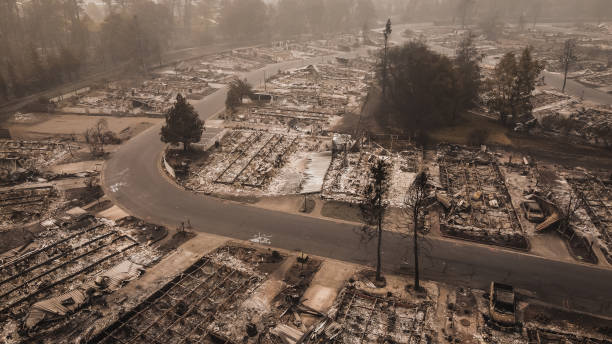
Wildfire Recovery: Essential Steps to Rebuild Your Finances After Fire Damage
Wildfires are among the most devastating natural disasters a family or business can experience. Besides causing emotional hardship and physical damage, wildfires can also have overwhelming and long-lasting financial effects. Homes, vehicles, belongings, income sources, and even savings may vanish in hours. For many, learning how to recover financially after a wildfire is as urgent as rebuilding physical structures.
This in-depth guide from Eaton Fire helps wildfire survivors navigate financial recovery. Regardless of your losses, timely financial decisions can safeguard your future, prevent debt, and speed recovery.
Table of Contents:
- Understanding the Full Financial Impact of a Wildfire
- Immediate Financial Actions to Take After Fire Damage
- Protecting, Replacing, and Rebuilding Financial Records
- Insurance Claims and Settlements: What You Need to Know
- Government Assistance, Grants, and Disaster Relief Options
- Managing Debt, Bills, and Expenses After a Wildfire
- Income Loss, Employment Disruptions, and Business Recovery
- Rebuilding Credit and Long-Term Financial Stability
- Planning for a More Resilient Financial Future
- Frequently Asked Questions About Financial Recovery After a Wildfire
- Final Steps and How Eaton Fire Can Help
1. Understanding the Full Financial Impact of a Wildfire
Direct Financial Losses
- Destruction or severe damage to homes and rental properties
- Loss of vehicles, recreational equipment, and tools
- Damage to furniture, electronics, appliances, and clothing
- Loss of personal documents and financial records
Indirect and Long-Term Financial Effects
- Temporary or permanent loss of employment
- Business closures or interruptions
- Medical expenses from injuries or smoke exposure
- Increased living costs due to relocation
- Missed bill payments and credit score impacts
2. Immediate Financial Actions to Take After Fire Damage
Secure Safety, Shelter, and Essentials

- Banks and credit unions
- Credit card providers
- Mortgage lenders
- Auto loan companies
- Utility providers
Open a Dedicated Recovery File
3. Protecting, Replacing, and Rebuilding Financial Records
Replacing Critical Documents
- Online banking portals
- Employers and payroll services
- The IRS for tax transcripts
- Insurance companies for policy copies
- County offices for property records
Creating a Detailed Loss Inventory
- Item descriptions
- Approximate purchase dates
- Replacement costs
- Photos or videos, if available
4. Insurance Claims and Settlements: What You Need to Know

- Dwelling and structural damage
- Personal property replacement
- Debris removal
- Additional living expenses
- Vehicle damage
Filing Claims Strategically
Reviewing Settlement Offers Carefully
Initial settlement offers are not always final. If you accept too quickly, you may miss out on compensation for rebuilding delays, code upgrades, or inflation costs.
Professional guidance can help ensure your claim reflects the true financial impact of the wildfire.
5. Government Assistance, Grants, and Disaster Relief Options
Federal and State Programs
- Temporary housing support
- Home repair grants
- Disaster unemployment assistance
- Low-interest disaster loans
Local and Nonprofit Support
- Emergency cash assistance
- Replacement household goods
- Legal and financial counseling
6. Managing Debt, Bills, and Expenses After a Wildfire
Prioritize Essential Expenses
- Housing
- Food and utilities
- Transportation
- Insurance premiums
Explore Hardship Programs
- Payment deferrals
- Reduced interest rates
- Late-fee forgiveness
Avoid Predatory Lending
7. Income Loss, Employment Disruptions, and Business Recovery
Employment Recovery
- Apply for disaster unemployment assistance.
- Communicate with your employer.
- Document lost wages
Business Owners
- Property and equipment replacement
- Lost income claims
- Emergency operating loans
8. Rebuilding Credit and Long-Term Financial Stability
Monitor Credit Reports
Create a Post-Wildfire Budget
- Temporary housing costs
- Reimbursement timelines
- New income levels
9. Planning for a More Resilient Financial Future

A key lesson after wildfire damage is whether your coverage was sufficient. Many find policy limits outdated, exclusions misunderstood, or replacement costs higher than expected.
To improve your insurance protection going forward:
- Reassess policy limits annually to reflect current rebuilding and replacement costs, not just market value.
- Review coverage types carefully, including dwelling coverage, personal property, additional living expenses (ALE), and debris removal.
- Factor in inflation and building codes, which can raise reconstruction costs after a wildfire.
- Consider supplemental coverage, such as extended replacement cost (insurance that pays above the standard limit if rebuilding costs are higher than expected) or guaranteed replacement cost (insurance that pays whatever it costs to rebuild your home, even if it exceeds your policy limit), where available.
- Document belongings proactively with photos or video inventories stored securely in the cloud.
Diversify Income
Wildfires don’t just destroy property; they often disrupt jobs, close businesses, and interrupt income for weeks or even months. Relying on a single source of income can significantly increase financial vulnerability during disasters.
Diversifying income can help protect your household or business by:
- Creating alternative revenue streams that continue even if one source is interrupted
- Reducing dependence on a single employer, location, or industry
- Providing emergency cash flow during recovery periods
- Remote or freelance work opportunities
- Secondary businesses or side ventures
- Passive income sources such as investments or rentals (where appropriate)
Seek Trusted Guidance
Working with trusted professionals can help you:
- Avoid costly mistakes or overlooked entitlements.
- Ensure insurance claims and settlements are handled fairly.
- Navigate legal obligations related to property, rebuilding, or business recovery.
- Develop long-term financial plans aligned with your post-wildfire reality.
Trusted guidance may include financial advisors, insurance specialists, tax professionals, and legal advocates experienced in wildfire recovery. Their insight can help protect your assets, your credit, and your future.
Planning for resilience is not about fear; it’s about empowerment. By strengthening insurance coverage, diversifying income, and seeking informed guidance, you position yourself to recover more fully and face future challenges with confidence.
10. Frequently Asked Questions About Financial Recovery After a Wildfire
1. What are the most important steps to recover financially after a wildfire?
2. How long does financial recovery usually take?
3. What if my insurance settlement is too low?
4. Can wildfire damage hurt my credit score?
5. Should I seek professional help?
11. Final Steps and How Eaton Fire Can Help

Strong Call to Action
At Eaton Fire, we help wildfire survivors navigate insurance challenges, financial recovery decisions, and the rebuilding process with clarity and confidence. If you are facing delays, denials, or uncertainty after fire damage,
Contact Eaton Fire today for a free consultation.
One conversation can make the difference between prolonged hardship and a stronger recovery. Reach out now and take the first step toward reclaiming your financial future.