
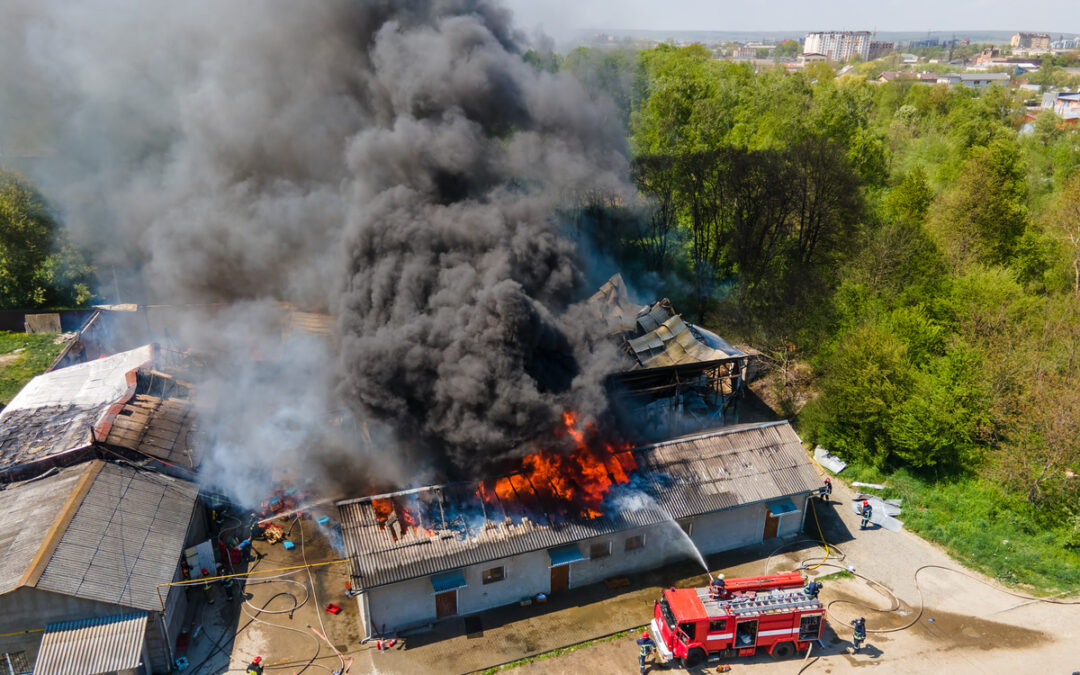
How Long Does a Wildfire Last? Factors That Affect Duration and Intensity
The answer isn’t straightforward. Wildfires can last anywhere from a few hours to several months, depending on a combination of environmental, geographic, and human-related factors. Understanding what makes them persist and how we can mitigate their impact is critical to building safer communities and protecting our natural environment.
Table of Contents:
- Introduction: Understanding Wildfire Duration
- Factors That Determine How Long a Wildfire Lasts
- Question 1: What’s the Average Duration of a Wildfire?
- Question 2: Why Do Some Wildfires Last for Months?
- Question 3: Can Human Activity Prolong a Wildfire?
- Question 4: How Do Firefighters Determine When a Wildfire Is “Over”?
- Question 5: What Can Homeowners Do to Protect Their Property?
- Environmental and Economic Impacts of Prolonged Wildfires
- Lessons from Past Wildfires
- How Climate Change Is Affecting Wildfire Duration
- Final Thoughts and Prevention Strategies
- Contact Eaton Fire for Help with Wildfire Recovery
Introduction: Understanding Wildfire Duration
Before we can answer how long a wildfire lasts, it helps to understand the basics of how wildfires behave.
Wildfires don’t burn uniformly. Some may extinguish within a few hours after burning through light brush, while others, especially those in forested or mountainous terrain, can rage for weeks or months.
In 2023, for instance, Canada experienced wildfires that burned for over five months, setting records for both size and duration.
So when asking “how long does a wildfire last?” the answer depends on multiple factors: how much fuel is available, how dry the weather is, how strong the winds are, and how effectively firefighters can respond.
Factors That Determine How Long a Wildfire Lasts
Wildfire duration results from a delicate balance among fuel, weather, terrain, and human influence. Here’s how each factor contributes:
1. Fuel Availability and Type
Fuel refers to any burnable material, such as grass, shrubs, trees, or even homes. The more fuel available, the more prolonged and more intense the fire.
- Grassfires burn quickly but usually extinguish in hours.
- Forest fires burn longer due to dense trees and underbrush.
- Peat or root fires can smolder underground for weeks, even after surface flames are out.
Dead vegetation, pine needles, and drought-stricken trees serve as tinder, making ignition and spread easier.
2. Weather Conditions
Weather is one of the most important factors determining how long a wildfire lasts.
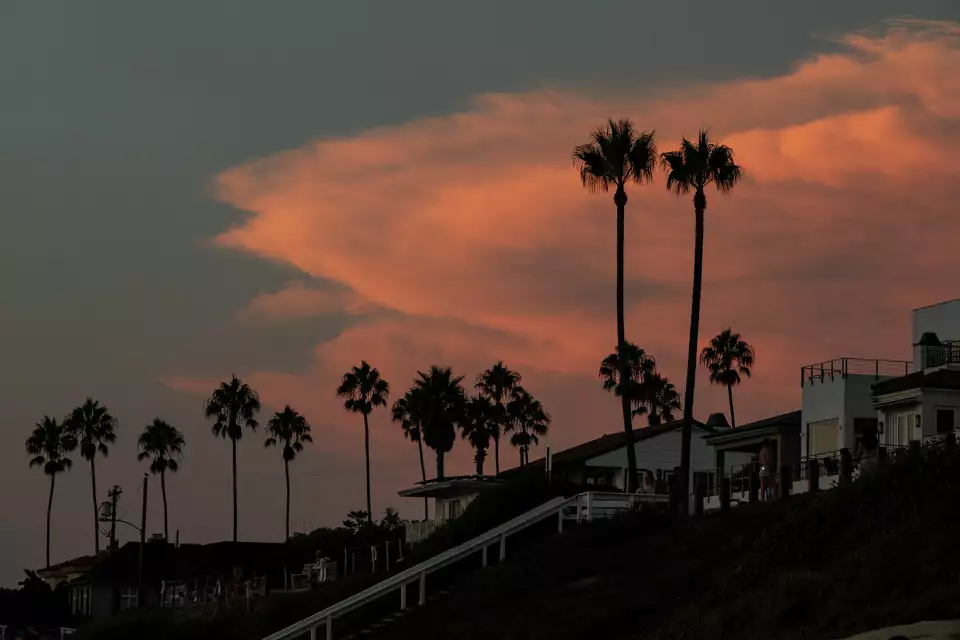
- Temperature: Hot air preheats fuels, accelerating combustion.
- Wind: Carries embers to new locations, igniting “spot fires” miles away.
- Humidity: Low humidity means vegetation dries faster and burns more readily.
- Rainfall: Lack of rain during drought years allows fires to burn longer and spread faster.
A single windy afternoon can turn a small, contained fire into a regional emergency.
3. Terrain and Topography
Wildfires move faster uphill than downhill because heat rises. Steep slopes and canyons funnel wind and flames, making suppression extremely difficult. Fires in mountainous regions often burn longer because firefighters struggle to access or contain them.
4. Human Factors
Humans are responsible for nearly 85% of wildfires, according to the U.S. Forest Service. Causes include unattended campfires, power lines, arson, or discarded cigarettes. Fires in human-populated regions tend to last longer because suppression efforts prioritize saving lives and structures rather than extinguishing the fire itself.
5. Firefighting Response and Resources
The speed and effectiveness of firefighting play a significant role. Fires in remote areas can burn unchecked for weeks if crews can’t access them quickly. In contrast, well-coordinated responses using air tankers, bulldozers, and firebreaks can shorten a wildfire’s lifespan.
6. Post-Fire Smoldering
Question 1: What’s the Average Duration of a Wildfire?
Here’s a breakdown:
- Small brush fires: Usually last 1–3 days.
- Moderate forest fires: Often burn 1–3 weeks before containment.
- Mega wildfires: May persist for several months, with occasional flare-ups.
For example:
- The 2018 Camp Fire burned for 17 days but caused lasting damage to Paradise, California.
- The 2021 Dixie Fire burned for more than 100 days, consuming nearly 1 million acres.
- Canada’s 2023 fire season saw fires that burned for five months straight.
These numbers highlight that asking how long a wildfire lasts often depends on geographic scale and climate conditions.
Question 2: Why Do Some Wildfires Last for Months?
1. Drought and Climate Patterns
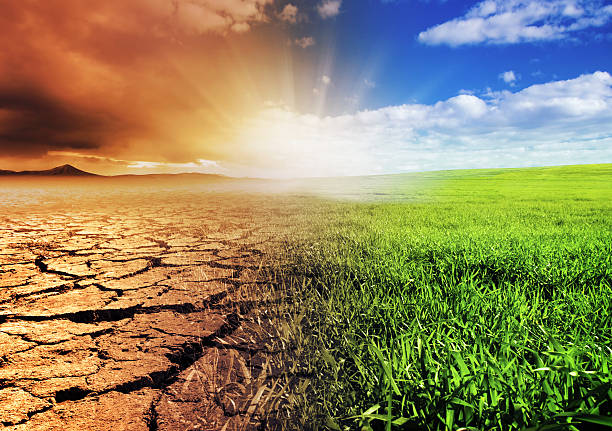
Extended droughts dry out vegetation and soil, providing a continuous fuel source. The longer the drought lasts, the longer the wildfire can survive.
2. Remote Locations
Inaccessible areas, such as mountains or wilderness reserves, may not be reached by ground crews or aircraft, allowing fires to burn naturally.
3. Heavy Fuel Loads
Decades of fire suppression have allowed vegetation to build up, creating a “fuel bomb.” Once ignited, these areas can sustain fires for weeks or months.
4. Underground or Subsurface Fires
Some wildfires don’t just burn on the surface; they burn beneath the ground in peat or root systems. These “holdover” fires can smolder through winter and reignite in spring, as seen in Alaska’s 2019 Swan Lake Fire.
5. Changing Weather Conditions
Even after partial containment, a sudden wind shift or heatwave can reignite dormant areas. These flare-ups are common during long-duration wildfires.
In short, wildfires last longer when conditions for extinguishment don’t exist, no rain, no humidity, and no relief from heat.
Question 3: Can Human Activity Prolong a Wildfire?
Absolutely. Human behavior doesn’t just start fires; it can also make them worse and longer-lasting.
1. Ignition and Spread
Human-made sparks from vehicles, power lines, or illegal burns often occur near populated areas. Once a fire starts, structures, vehicles, and fuel tanks become secondary sources of fuel.
2. Delayed Suppression
Firefighting crews often prioritize protecting human lives. This can leave portions of the fire unchecked, allowing it to grow.
3. Poor Forest Management
For much of the 20th century, U.S. policy emphasized suppressing all fires, preventing natural burns that clear dead wood. Now, accumulated fuel creates conditions for superfires that last much longer.
4. Urban Expansion into Fire Zones
Question 4: How Do Firefighters Determine When a Wildfire Is “Over”?
A wildfire’s end is not always visible. Officials use three technical classifications to describe progress:
- Contained: Firelines surround the blaze, limiting spread, but hotspots remain inside.
- Controlled: Most flames are extinguished, and the remaining heat is manageable.
- Out: All visible flames and hotspots are gone; the fire poses no further risk.
Even after being declared “contained,” wildfires can smolder for days.
Firefighters conduct “mop-up” operations, checking stumps, roots, and ashes for hidden embers. Some fires, especially in dense forests, can retain heat underground for weeks, making them hard to detect and requiring thermal imaging to confirm they’re truly out.
For example, the 2020 Creek Fire in California took nearly four months before officials declared it fully extinguished. This highlights how “containment” does not mean “completion.”
Question 5: What Can Homeowners Do to Protect Their Property?
No one can completely prevent wildfires, but homeowners can take powerful steps to reduce risk and damage. Here’s how:
1. Create Defensible Space
A “defensible space” is a buffer between your home and the vegetation that could ignite it.
- Keep grass trimmed and trees pruned.
- Remove flammable materials within 30–100 feet of your house.
- Use gravel or stone mulch instead of bark or wood chips.
2. Harden Your Home
Upgrade structural elements to resist heat and embers:
- Use Class A fire-rated roofing materials.
- Install ember-resistant vents and double-pane windows.
- Replace wooden decks or fences with fire-resistant materials.
3. Maintain Regular Upkeep
Clean gutters, clear debris, and store firewood away from structures. Small maintenance habits make a significant difference during wildfire season.
4. Prepare an Evacuation Plan
Develop and practice evacuation routes. Prepare “go bags” with essentials like IDs, medications, clothing, and food.
5. Partner with Fire Recovery Experts
If your home suffers wildfire damage, contact professionals immediately for assessment and restoration.
Environmental and Economic Impacts of Prolonged Wildfires
Long-lasting wildfires aren’t just destructive; they reshape ecosystems and economies for decades.
1. Environmental Effects
- Deforestation: Fires destroy habitats for countless animal species.
- Air Pollution: Smoke and ash reduce air quality hundreds of miles away.
- Water Contamination: Ash runoff pollutes rivers and reservoirs.
- Soil Degradation: Intense heat kills beneficial microbes, reducing soil fertility.
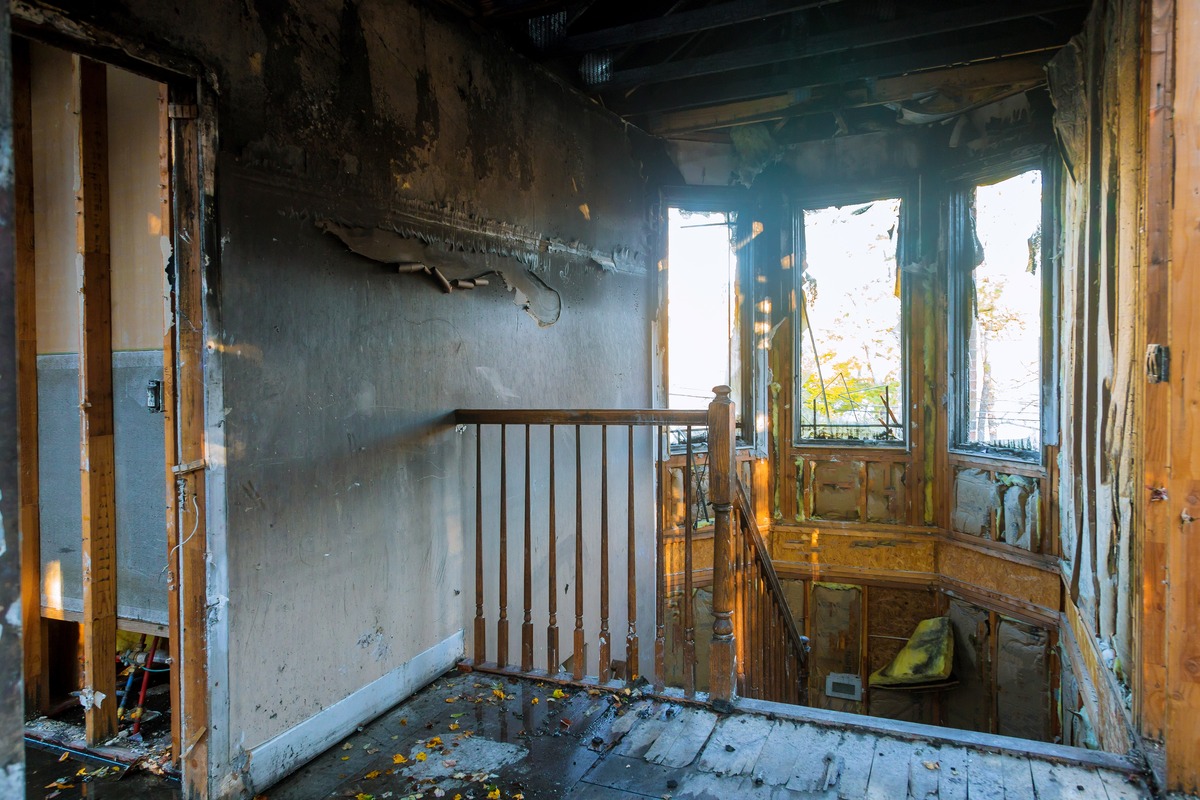
- Property Loss: Wildfires destroy homes, farms, and businesses.
- Insurance Claims: Billions are spent annually in fire-related claims.
- Infrastructure Damage: Roads, power lines, and utilities often require complete replacement.
- Tourism Decline: Popular natural destinations remain closed for months or years.
Lessons from Past Wildfires
History shows that each major wildfire teaches us something new about prevention and resilience.
The Camp Fire (2018) demonstrated how urban development near forests can increase fire spread and devastation.
The Dixie Fire (2021) revealed how drought and extreme heat can keep fires alive for over 100 days.
And the record-breaking Canadian wildfires of 2023 showed the power of climate and geography in prolonging fire events for months.
These lessons emphasize the importance of preparedness, mitigation, and rapid recovery efforts to reduce long-term damage and loss.
How Climate Change Is Affecting Wildfire Duration
Climate change is one of the biggest reasons wildfires are lasting longer than ever before.
1. Longer Fire Seasons
In the past, wildfire seasons were confined to the summer months. Now, some regions experience year-round fire risks due to hotter, drier conditions.
2. Increased Fuel Loads
Higher temperatures kill trees and dry out vegetation, adding more fuel to the fire.
3. Frequent Droughts
Persistent droughts, especially in the American West, create conditions for fires to ignite easily and burn for months.
4. Feedback Loops
Wildfires themselves contribute to climate change by releasing carbon dioxide, which further warms the atmosphere and increases the likelihood of future fires, in a vicious cycle.
The result? Fires that once lasted weeks can now burn for entire seasons, making “how long does a wildfire last” a more concerning question than ever before.
Final Thoughts and Prevention Strategies
Here’s what we’ve learned:
- Wildfire duration depends on fuel, weather, terrain, and human actions.
- Climate change is lengthening fire seasons and intensifying conditions.
- Proper home hardening and defensible space can significantly reduce property damage.
- Community-wide prevention and education are the best defenses against long-duration fires.
Wildfires are natural phenomena, but their growing frequency and longevity remind us that we must adapt. Through more innovative forest management, early detection systems, and public awareness, we can reduce their devastating impact.
🔥 Contact Eaton Fire for Help with Wildfire Recovery
If you’ve experienced property loss or damage due to a wildfire, Eaton Fire is here to help.
Our team specializes in:
- Fire damage restoration
- Smoke and soot cleanup
- Insurance claim assistance
- Reconstruction and recovery

We’ve helped countless families rebuild after devastating wildfires, ensuring homes are restored safely and efficiently.
Don’t face the aftermath alone; let our team handle the recovery while you focus on moving forward.
👉 Contact Eaton Fire today for a free consultation and take the first step toward rebuilding your home and peace of mind.
Eaton Fire Protecting Homes. Restoring Lives. Rebuilding Hope.