
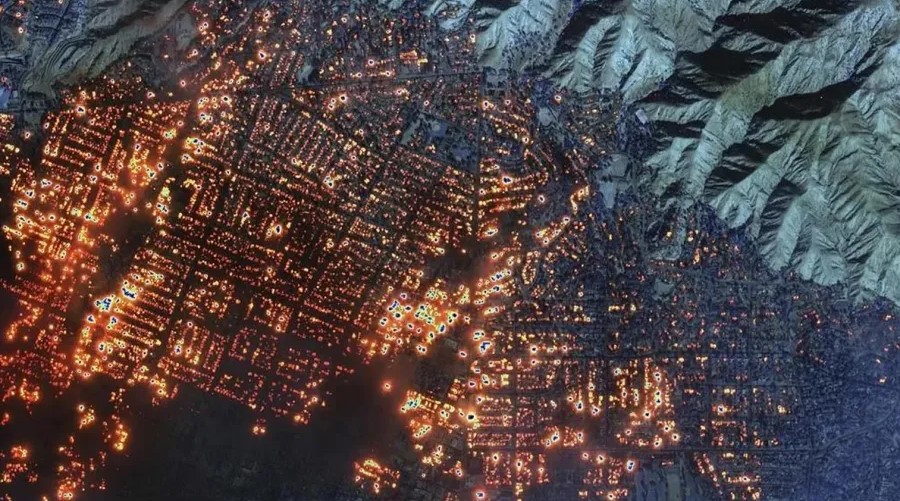
Wildfires are among the most destructive natural disasters, capable of destroying forests, neighborhoods, businesses, and entire communities in just a few hours. Each year, major wildfires show us how dangerous and unpredictable they are. Many people wonder: “How hot does a wildfire get?”
The answer might surprise you. Wildfires can burn even hotter than volcanic lava, melt metal, crack concrete, and create their own weather. In the most extreme cases, wildfire temperatures can go over 2,700°F, causing destruction that leaves almost nothing behind.
Knowing how hot wildfires get is not just a scientific fact. It is important for survival, preparation, property protection, and recovery after a fire. The more people know about wildfire heat, the better they can protect their homes, families, and communities.
Table of Contents:
- Introduction to Wildfire Temperatures
- How Hot Does Wildfire Get?
- What Makes Wildfires So Hot?
- Different Types of Wildfires and Their Temperatures
- Surface Fires vs Crown Fires
- Can Wildfires Melt Metal and Concrete?
- How Heat Destroys Homes and Buildings
- How Wind Increases Wildfire Temperatures
- The Science Behind Firestorms
- How Wildfire Temperatures Affect Firefighters
- Health Risks From Extreme Wildfire Heat
- Wildfire Temperature Records in History
- Climate Change and Increasing Wildfire Intensity
- 5 Common Questions About Wildfire Temperatures
- How to Protect Your Home From Wildfire Heat
- Why Wildfire Recovery Is So Difficult
- Final Thoughts
- Contact Eaton Fire Today
Introduction to Wildfire Temperatures
Wildfires are fueled by dry vegetation, strong winds, extreme heat, and environmental conditions that allow flames to spread rapidly. Unlike small fires contained in fireplaces or campfires, wildfires move unpredictably across vast landscapes while generating enormous thermal energy.
When people ask how hot wildfires get, they are often surprised to learn that these fires can become hot enough to:
- Melt aluminum
- Destroy steel structures
- Crack highways
- Vaporize vehicles
- Ignite homes without direct flame contact.
The heat generated during a wildfire is one of the primary reasons these disasters are so deadly and destructive. Even structures that are not directly exposed to flames may still ignite from radiant heat alone.
In recent years, massive wildfires across California, Hawaii, Canada, and Australia have demonstrated how catastrophic wildfire temperatures can become. Entire communities have disappeared within hours because the heat intensity was simply overwhelming.
How Hot Does Wildfire Get?
The average wildfire burns between:
- 800°F and 1,500°F at ground level
- 1,500°F to 2,700°F or more during intense crown fires
Some extreme firestorms may exceed these temperatures under severe weather conditions.
To understand how dangerous this is, compare wildfire temperatures to other heat sources:
Campfire 600°F – 1,200°F
House Fire 1,100°F
Lava 1,300°F – 2,200°F
Wildfire 800°F – 2,700°F+
Many people do not realize how powerful wildfire heat is because they think of fire as something like a household flame. But wildfires are much more intense and destructive.
The answer to how hot a wildfire gets depends on several factors, including:
- Wind speed
- Humidity
- Fuel availability
- Terrain
- Vegetation density
- Drought conditions
When all these factors come together, it becomes almost impossible to control wildfire temperatures.
What Makes Wildfires So Hot?
Wildfires burn intensely because they continuously feed on available fuel while receiving abundant oxygen.
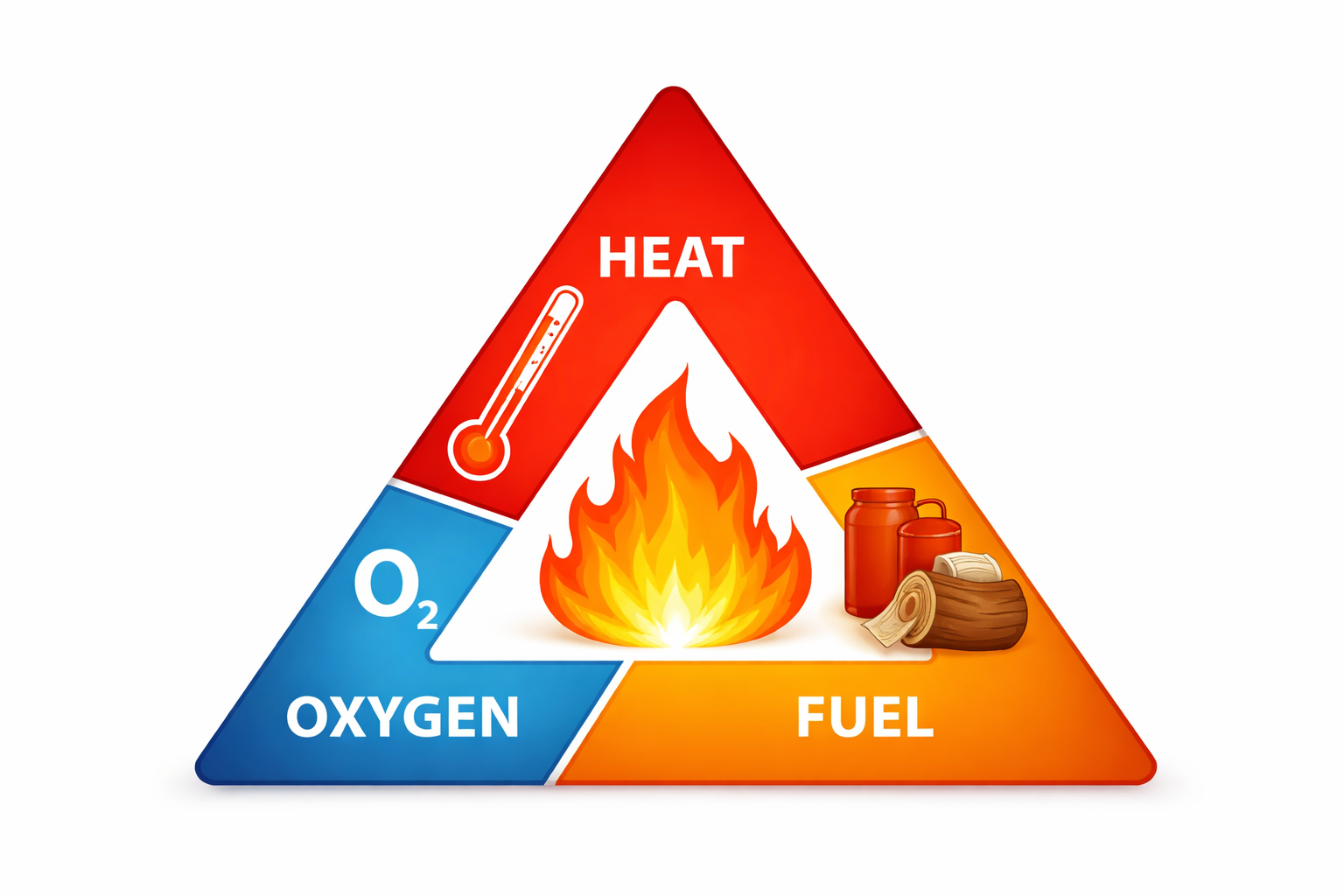
Fire scientists refer to this as the fire triangle:
- Heat
- Oxygen
- Fuel
When these three elements are abundant, flames grow stronger and hotter.
Dry Vegetation
Dry grass, dead leaves, fallen branches, and drought-stricken trees ignite rapidly and burn at extremely high temperatures.
California’s dry climate provides perfect conditions for wildfires during the peak fire season.
Strong Winds
Winds dramatically increase wildfire temperatures by supplying more oxygen and pushing flames into fresh fuel sources.
High winds also carry burning embers long distances, creating new fires far ahead of the main blaze.
Steep Terrain
Wildfires spread uphill quickly because heat rises. Mountain regions often see wildfires grow rapidly due to the terrain.
Low Humidity
Dry air removes moisture from vegetation, making ignition easier and increasing fire intensity.
Different Types of Wildfires and Their Temperatures
Not all wildfires burn the same way. Different wildfire types produce different temperature ranges and destruction patterns.
Ground Fires
Ground fires burn beneath the surface through roots and organic soil material.
These fires may smolder for long periods and are difficult to extinguish.
Typical temperatures:
- 500°F to 800°F
Surface Fires
Surface fires burn grass, shrubs, leaves, and fallen branches.
These are the most common wildfire types.
Typical temperatures:
- 800°F to 1,500°F
Crown Fires
Crown fires spread through treetops and forest canopies.
These are the most dangerous and destructive types of wildfires.
Typical temperatures:
- 1,500°F to 2,700°F+
Crown fires spread rapidly and can create massive firestorms that overwhelm firefighting efforts.
Surface Fires vs Crown Fires
Understanding the difference between surface fires and crown fires helps explain why some wildfires become catastrophic disasters.
Surface Fires
Surface fires remain relatively low to the ground.
Characteristics:
- Slower spread
- Lower temperatures
- Easier to contain
- Less structural damage
Still, surface fires can destroy homes if conditions worsen.
Crown Fires
Crown fires burn through treetops with explosive intensity.
Characteristics:
- Extreme temperatures
- Fast spread
- Massive ember production
- Unpredictable behavior
Crown fires can create walls of flame that move faster than people can evacuate.
When people ask how hot a wildfire gets, crown fires represent the most extreme answer.
Can Wildfires Melt Metal and Concrete?
One surprising fact about wildfire temperatures is that they can damage materials many people think are fireproof.
Melting Aluminum
Aluminum melts at:
660°C≈1220°F660^\circ C \approx 1220^\circ F660∘C≈1220∘F
Wildfires frequently exceed this range.
This explains why:
- Car wheels melt
- Window frames collapse
- Metal fences warp
- Garage doors buckle
Steel Damage
Steel does not melt as easily, but it becomes much weaker when exposed to extreme heat.
Structural steel may:
- Bend
- Warp
- Lose load-bearing strength
This can cause buildings to collapse during intense fires.
Concrete Failure
Concrete can crack or even break apart when exposed to high temperatures.
This process is called spalling, where moisture trapped inside concrete rapidly expands during heating.
How Heat Destroys Homes and Buildings?
Many people think flames have to touch a building to destroy it, but that is not true.
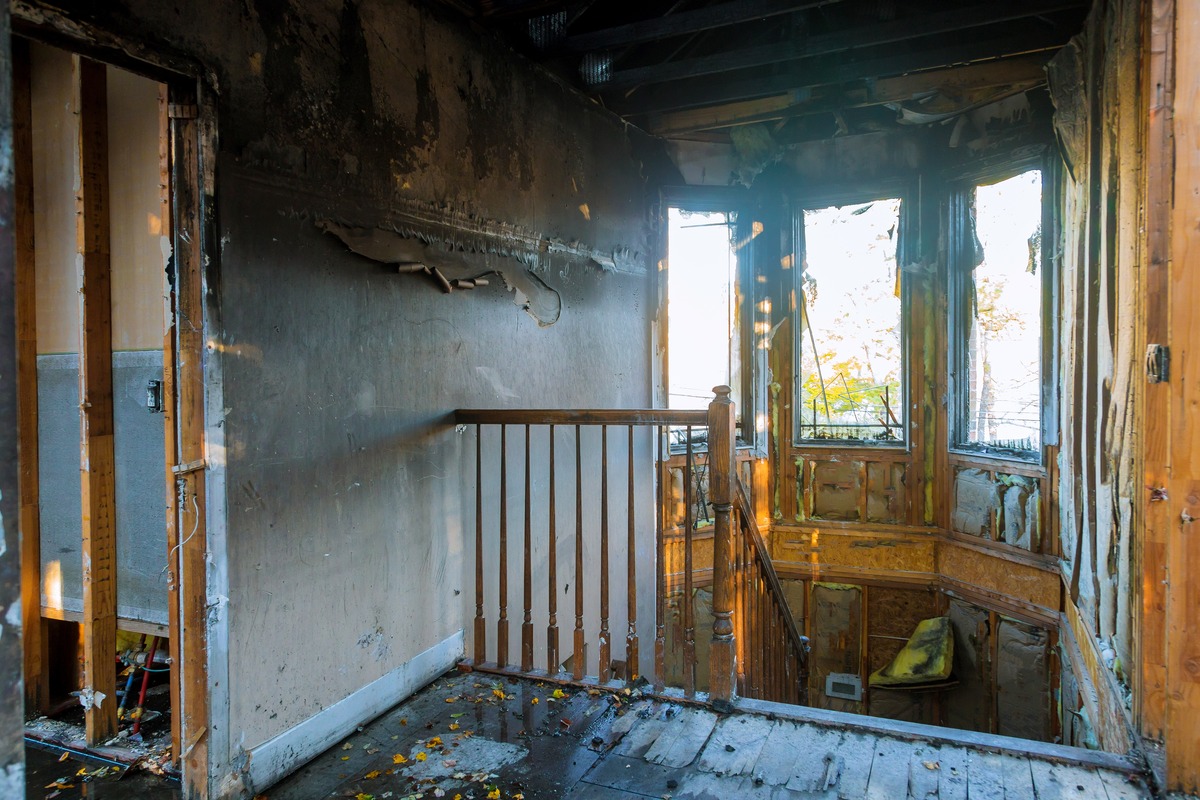
Wildfire heat alone can ignite homes from a distance.
Radiant Heat
Radiant heat spreads outward from flames and can:
- Break windows
- Ignite siding
- Melt roofing materials
- Start interior fires
Ember Attacks
Flying embers are one of the leading causes of home destruction.
Burning embers can travel:
- Across highways
- Over rivers
- Into neighborhoods miles away
Just one ember landing on a roof or dry plants can start a fire in a building.
Structural Collapse
When wildfire temperatures exceed 1,500°F, building materials begin to fail rapidly.
This can lead to:
- Roof collapse
- Electrical fires
- Gas explosions
- Total structural destruction
How Wind Increases Wildfire Temperatures?
Wind is one of the most dangerous factors that makes wildfires spread faster.
Strong winds:
- Supply oxygen
- Push flames forward
- Spread embers
- Increase fire intensity
During severe wildfire events, winds can reach hurricane-like speeds.
These conditions create:
- Faster-moving fires
- Higher temperatures
- More unpredictable fire behavior
In California, Santa Ana winds are well known for turning small fires into major disasters.
The Science Behind Firestorms
Some wildfires become so intense that they create their own weather systems.
These events are known as firestorms.
What Is a Firestorm?
A firestorm occurs when intense heat creates:
- Powerful updrafts
- Inward wind systems
- Massive smoke columns
In these cases, the fire keeps growing as it feeds on its own heat and wind.
Pyrocumulus Clouds
Extreme wildfire heat can generate towering smoke clouds called pyrocumulus clouds.
These clouds may produce:
- Lightning
- Turbulence
- Strong winds
In some cases, lightning from pyrocumulus clouds starts additional fires nearby.
How Wildfire Temperatures Affect Firefighters?
Firefighters work in some of the most dangerous conditions imaginable.
Even with protective equipment, wildfire heat presents enormous risks.
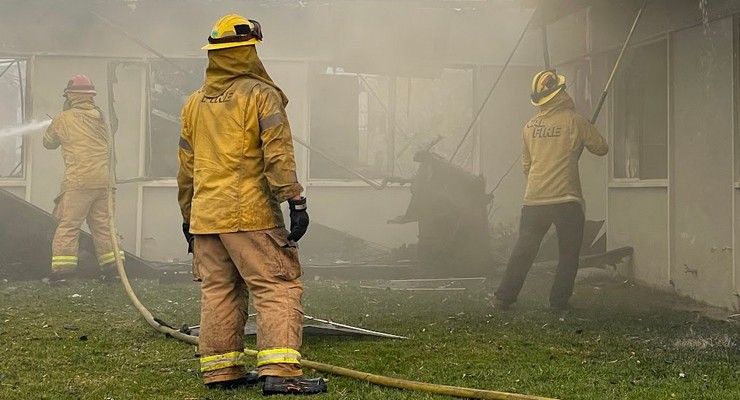
Heat Exhaustion
Firefighters often experience:
- Dehydration
- Fatigue
- Heat stress
Reduced Visibility
Thick smoke makes it hard to see and makes the situation more dangerous.
Rapid Fire Spread
High-temperature fires can suddenly change direction due to wind shifts.
Sadly, this unpredictability has led to the loss of many firefighters’ lives over the years.
Health Risks From Extreme Wildfire Heat
The dangers from wildfires go far beyond just the flames.
Extreme heat and smoke exposure create serious health risks for nearby communities.
Respiratory Problems
Wildfire smoke contains:
- Ash particles
- Toxic chemicals
- Carbon monoxide
- Heavy metals
These pollutants can trigger:
- Asthma
- Bronchitis
- Lung damage
- Breathing difficulties
Heat-Related Illnesses
Extreme temperatures may cause:
- Heat stroke
- Heat exhaustion
- Severe dehydration
Older adults and children are at even greater risk.
Long-Term Health Effects
Exposure to wildfire smoke may increase risks for:
- Heart disease
- Chronic respiratory illness
- Reduced lung function
Wildfire Temperature Records in History
Several historic wildfires have demonstrated how destructive extreme wildfire temperatures can become.
The Camp Fire (California, 2018)
The Camp Fire destroyed Paradise, California, killing dozens of people and leveling thousands of structures.
Estimated temperatures exceeded:
- 2,000°F
Australian Bushfires
Australia’s catastrophic bushfires generated enormous firestorms and dangerous pyrocumulus clouds.
These fires burned millions of acres and destroyed wildlife habitats across the country.
Strong winds and dry conditions contributed to the rapid spread of devastating fires across Maui.
Entire neighborhoods were destroyed within hours.
Climate Change and Increasing Wildfire Intensity
Climate scientists warn that wildfires are becoming more severe due to rising global temperatures.
Longer Droughts
Hotter climates dry vegetation faster, creating more fuel for fires.
Extended Fire Seasons
Wildfire season now lasts longer in many regions.
Higher Temperatures
Extreme heat waves increase ignition risk and fire intensity.
As climate change continues, experts expect wildfires to become even more destructive worldwide.
5 Common Questions About Wildfire Temperatures
1. How hot does wildfire get compared to lava?
Wildfires can reach temperatures comparable to those of lava, especially during crown fires and firestorms.
2. Can wildfire heat melt cars?
Yes. Wildfire temperatures often exceed aluminum’s melting point, severely damaging vehicles.
3. How far away can wildfire heat be felt?
Radiant heat from major wildfires can be felt hundreds of feet away, depending on wind and fire intensity.
4. Are modern wildfires getting hotter?
Many scientists believe that climate change and drought are contributing to hotter, more destructive wildfires.
5. Can fire-resistant homes survive extreme wildfire temperatures?
Using fire-resistant materials helps, but no building is completely safe from extreme wildfire heat.
How to Protect Your Home From Wildfire Heat?
If you live in an area where wildfires are common, being prepared is very important.
Create Defensible Space
Remove dry vegetation around your home.
This includes:
- Dead grass
- Dry leaves
- Overhanging branches
Use Fire-Resistant Materials
Consider:
- Metal roofing
- Tempered glass windows
- Fire-resistant siding
Prepare Emergency Kits
Include:
- Water
- Medication
- Important documents
- Flashlights
- Phone chargers
Follow Evacuation Orders Immediately
Do not wait until it is too late to evacuate.
Wildfires can change direction quickly and trap people in just a few minutes.
Why Wildfire Recovery Is So Difficult?
After a wildfire, people can face emotional, financial, and physical challenges.
Victims often face:
- Total property loss
- Insurance disputes
- Displacement
- Emotional trauma
It can take years to rebuild after a wildfire.
The extreme temperatures involved often destroy:
- Personal belongings
- Important records
- Vehicles
- Entire neighborhoods
Knowing how hot wildfires get helps explain why recovering from them is so difficult and overwhelming.
Final Thoughts
Wildfires can reach temperatures as high as industrial furnaces or even volcanic lava. Surface fires usually burn around 800°F, but crown fires and firestorms can go over 2,700°F.
The question of how hot a wildfire gets is important because wildfire temperature directly impacts:
- Human safety
- Structural survival
- Fire spread
- Evacuation urgency
- Recovery efforts
As climate change, drought, and extreme weather worsen wildfires, it is more important than ever for communities to be prepared and informed.
Wildfires are no longer rare. They are now a growing danger to millions of people. Learning about wildfire heat can help families make better choices to protect their lives and property.
Contact Eaton Fire Today
If you or a loved one has lost something in a wildfire, you do not have to face the aftermath by yourself.

At Eaton Fire, we know how much damage extreme wildfire temperatures can cause to families, homes, businesses, and whole communities. After a fire, people often face damaged property, insurance issues, and financial stress.
Our team is dedicated to helping wildfire victims get the support and recovery they need.
Eaton Fire Can Help With:
- Wildfire property damage claims
- Insurance claim disputes
- Fire-related injury cases
- Loss recovery assistance
- Guidance after catastrophic wildfire events
Why Choose Eaton Fire?
- Compassionate support
- Experienced wildfire recovery guidance
- Dedicated advocacy for victims
- Commitment to helping families rebuild
Do not wait to ask for help.
The sooner you reach out, the sooner you can start rebuilding your life after a wildfire.
Contact Eaton Fire today for a free consultation to learn more about your legal and recovery options.