
Home Insurance & Wildfires: What’s Covered and What Isn’t
Wildfires are no longer a once-in-a-generation risk. In many parts of the U.S., especially the West, there’s a recurring reality that can flip life upside down in a single afternoon. If you’re a homeowner, renter, or landlord, the biggest insurance question is always the same: Does home insurance cover wildfires? This long-form guide breaks down what standard policies usually pay for, what they often don’t, where hidden limits live, and how to push back if an insurer delays or denies your claim.
Table of Contents:
- Why wildfire risk changes the insurance conversation
- Quick answer: Does home insurance cover wildfires?
- What home insurance typically covers after a wildfire
- What’s often not covered (or only partially covered)
- “Gray areas” insurers fight about
- Hidden limits that shrink payouts
- FAIR Plans: coverage of last resort (and their pitfalls)
- Five common wildfire-insurance questions (with clear answers)
- How to strengthen your coverage before the next fire
- What to do right after a wildfire loss
- Final takeaway + Eaton Fire call to action
1. Why wildfire risk changes the insurance conversation
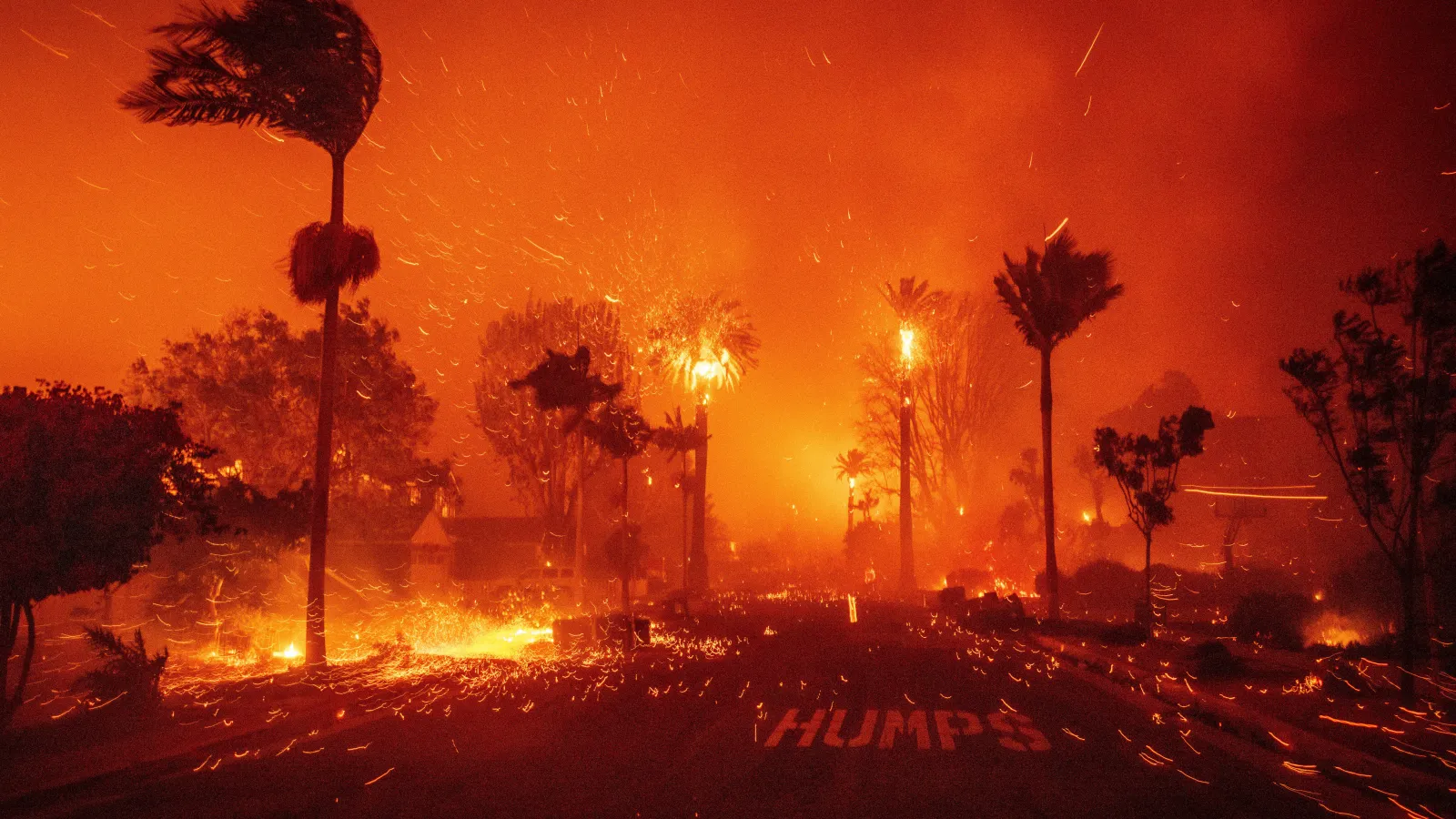
A wildfire isn’t like a small household fire. It spreads unpredictably, causes multiple forms of damage simultaneously, and triggers mass evacuations that can last for weeks. That matters because homeowners’ insurance is built around categories of loss, not just the event itself.
Wildfires typically create:
- Direct flame/heat damage to structures and belongings
- Smoke and ash contamination can ruin interiors even when the house still stands.
- Ember intrusion that can damage roofs, attics, or vents
- Water damage from firefighting efforts
- Long evacuations that drive up temporary housing costs
- Post-fire hazards like mudslides, debris flows, and flooding occur once vegetation is gone.
Insurers respond to that complexity by tightening underwriting in high-risk zones, raising premiums, increasing deductibles, lowering limits, or refusing to renew altogether. In California, for instance, the number of homeowners forced into the state-backed FAIR Plan has grown sharply as private insurers scale back wildfire exposure.
So when someone asks, “Does home insurance cover wildfires?” what they’re really asking is:
“Will my policy pay enough, for long enough, without a fight?”
2. Quick answer: Does home insurance cover wildfires?
Most of the time, yes. Standard homeowners policies (especially the common HO-3 form, which covers most risks to houses except those specifically excluded) list fire as a covered peril. That fire coverage includes wildfire unless your policy specifically excludes or limits it.
But “covered” doesn’t mean “simple.”
In high-risk wildfire areas, insurers may:
- Add a wildfire-specific deductible.
- cap certain benefits
- require mitigation steps (defensible space, roof upgrades)
- or limit coverage in renewal terms
The simple truth is this:
Yes, wildfire is usually covered, but your recovery depends on your policy limits and the fine print.
3. What home insurance typically covers after a wildfire
A. Dwelling coverage (Coverage A)
Dwelling coverage protects the physical structure of your home:
- walls, roof, framing
- attached garage
- built-in appliances and cabinets
- plumbing and electrical systems
When a wildfire destroys or damages the dwelling, Coverage A typically pays to repair or rebuild up to your dwelling limit. HO-3 dwelling coverage is usually “open perils,” meaning it covers all risks unless excluded, so wildfire is generally in.
Replacement cost vs. actual cash value:
- Replacement Cost Value (RCV): pays the cost to rebuild today.
- Actual Cash Value (ACV): pays RCV minus depreciation.
If your policy is ACV-only, older homes often get shorted because depreciation can be steep.
B. Other structures (Coverage B)
Coverage B usually extends wildfire protection to detached structures like:
- sheds and workshops
- fences and gates
- detached garages
- guest houses or ADUs
- pergolas, gazebos, and sometimes pools
C. Personal property (Coverage C)
Coverage C protects your belongings: furniture, electronics, clothing, tools, appliances, home décor, kids’ items, and more. Personal property in HO-3 policies (standard home insurance policies) is typically “named perils,” meaning it covers only the causes of loss listed in the policy. Fire is a named peril, so wildfire losses are normally covered.
Wildfire personal-property claims can include:
- direct burning or melting
- smoke odor that won’t come out
- ash infiltration
- water damage from suppression
- loss due to evacuation emergencies
D. Loss of use / Additional Living Expenses (Coverage D)
If wildfire makes your home unlivable or you’re forced out under a civil authority evacuation order, Coverage D can reimburse extra living costs above what you normally spend. (This is often called Additional Living Expenses, or ALE.)
ALE usually covers:
- hotel or rental costs
- extra food expenses
- temporary furniture rentals
- laundry and parking
- additional mileage/commuting
- sometimes pet boarding
ALE is often the difference between stability and financial freefall after a fire. But it can come with time or dollar caps (more on that later).
E. Debris removal and cleanup
F. Fire department service charges
4. What’s often not covered (or only partially covered)
A. Land and certain landscaping
B. Upgrades required by modern building codes
After a wildfire, rebuilding almost always triggers new code requirements, such as fire-resistant vents, tempered glass, sprinklers, electrical changes, and seismic standards.
Those code upgrade costs aren’t automatically covered unless you have “ordinance or law” coverage. Without it, you may pay the difference out of pocket.
C. Earth movement, flood, and post-fire mudslides
Homeowners policies typically exclude:
- flood
- landslide or mudflow
- earth movement
After wildfires, slope failures and debris flows are common. There are California-specific rules about “proximate cause” that can sometimes force coverage when fire sets the stage for debris flow, but insurers still often fight these claims.
Outside California, you usually need separate flood or earthquake movement endorsements.

E. Intentional acts or extreme negligence
5. “Gray areas” insurers fight about
A. Smoke and ash contamination
Smoke can make a home unlivable even if flames never touched it. It can penetrate insulation, HVAC systems, ducts, porous surfaces, fabrics, and drywall.
Standard homeowners’ policies usually treat smoke as part of fire damage. But in practice, insurers sometimes claim:
- smoke didn’t cause “direct physical loss,” or
- Smoke effects are temporary and cleanable, so replacement isn’t justified.
B. Partial loss vs. total loss valuation
If your home is severely damaged but still standing, insurers can argue for cheaper repairs instead of replacement. The fight often becomes about:
- whether framing is structurally compromised
- whether smoke/heat makes materials unsafe
- whether code upgrades effectively require teardown
C. Matching and uniformity
D. Time element delays
6. Hidden limits that shrink payouts
A. Underinsurance (dwelling limits too low)
Many homeowners insure for market value rather than rebuild cost. After a wildfire, rebuilding may cost far more because:
- contractors are booked
- materials spike
- Demand surges in the region
B. Wildfire deductibles
In higher-risk zones, insurers increasingly use peril-specific wildfire deductibles. These may be:
- a percentage of the dwelling limit
- a percentage of the loss
- or a high flat amount
C. Personal property sublimits
D. ALE caps and deadlines
Loss-of-use typically has either:
- a percentage cap of Coverage A, or
- a time limit (often 12–24 months).
E. Replacement-cost holdbacks
7. FAIR Plans: coverage of last resort (and their pitfalls)
California FAIR Plan highlights
- Provides mainly basic fire coverage, not a full homeowners package.
- Many homeowners need a DIC/wraparound policy for theft, liability, water damage, and other perils.
- Recent Eaton and Palisades fires produced huge FAIR Plan claim volume and major scrutiny over smoke-damage denials and underpayments.
8. Five common wildfire-insurance questions (with clear answers)
Answer: For most HO-3 policies, wildfire is covered automatically under “fire.”
But in high-risk zones, your insurer might add exclusions, special conditions, or wildfire deductibles.
What to check: your declarations page and endorsements for any wildfire-specific terms.
Question 2: If my home didn’t burn down but smoke got everywhere, is that covered?
Answer: Generally, yes. Smoke and ash damage are typically treated as part of a fire claim, covering cleaning, deodorizing, HVAC service, and replacement of contaminated items.
But smoke claims can trigger fights, especially under FAIR Plans, prompting courts and regulators to intervene.
Pro move: get professional smoke/soot testing and save all reports.
Question 3: Will insurance pay my full rebuild cost after a wildfire?
Answer: Only if your limits and endorsements are adequate. Many homes are underinsured, and rebuild costs surge after large fires.
Look for endorsements like:
- extended replacement cost
- building-code (ordinance/law) coverage
Answer: If evacuation is ordered by the civil authority, many policies still provide ALE/loss-of-use coverage for temporary living expenses.
Important: keep every receipt and a log of dates you couldn’t live at home.
Question 5: Can my wildfire claim be denied even if wildfires are covered?
Answer: Yes. Common denial/undervaluation reasons include:
- The insurer claims damage was from an excluded peril (flood/earth movement)
- smoke damage was not documented to their satisfaction
- disagreement over repair scope or code upgrades
- late reporting or paperwork gaps
9. How to strengthen your coverage before the next fire
If you’re not in a claim yet, this is the moment to protect Future-You.
- Recalculate dwelling limits to the true rebuild cost.
- Add extended replacement cost if available.
- Confirm your policy covers smoke/ash as physical loss.
- Increase personal property coverage or schedule valuables.
- Upgrade ALE limits if evacuations in your area lasted for weeks.
- Add ordinance/law coverage for code upgrades.
- If on the FAIR Plan, purchase a robust wraparound/DIC policy. Gilbert Insurance Group
- Create a digital home inventory (video + cloud backup).
- Improve defensible space, and some insurers give credits.
10. What to do right after a wildfire loss
- Safety first. Follow evacuation orders and wait for clearance to return.
- Start the claim fast. Call your insurer, get a claim number, and ask about ALE immediately.
- Document EVERYTHING.
- exterior and interior photos
- close-ups of smoke staining, ash, warped materials
- videos walking through each room
- Don’t toss items yet. Let the adjuster inspect.
- Track ALE costs daily. Separate “normal” costs from “extra” costs.
- Get your own estimates. Contractor pricing after fires may exceed the insurer’s scope of work.
- Communicate in writing as much as possible.
- Push back on delays. Wildfire claims are time-sensitive.
11. Final takeaway
So, does home insurance cover wildfires?
Most standard homeowners’ policies do. Fire is a core covered peril under HO-3 forms, and wildfire fits within that coverage for your dwelling, other structures, personal property, and loss of use.
But coverage isn’t the whole story. Wildfire deductibles, smoke disputes, rebuild-cost inflation, ALE time caps, and the rise of FAIR Plans can all reduce what you actually receive.
Eaton Fire Strong Call to Action
At Eaton Fire, we help homeowners and families:
- understand what their policy truly covers
- document wildfire, smoke, and ash losses the right way
- Challenge low offers and claim denials.
- fight for full replacement cost and fair ALE support

The sooner you act, the stronger your claim, the faster your recovery, and the better your chances of rebuilding without financial wreckage.