
Wildfires’ Economic Impact Explained: Short-Term Losses & Long-Term Recovery
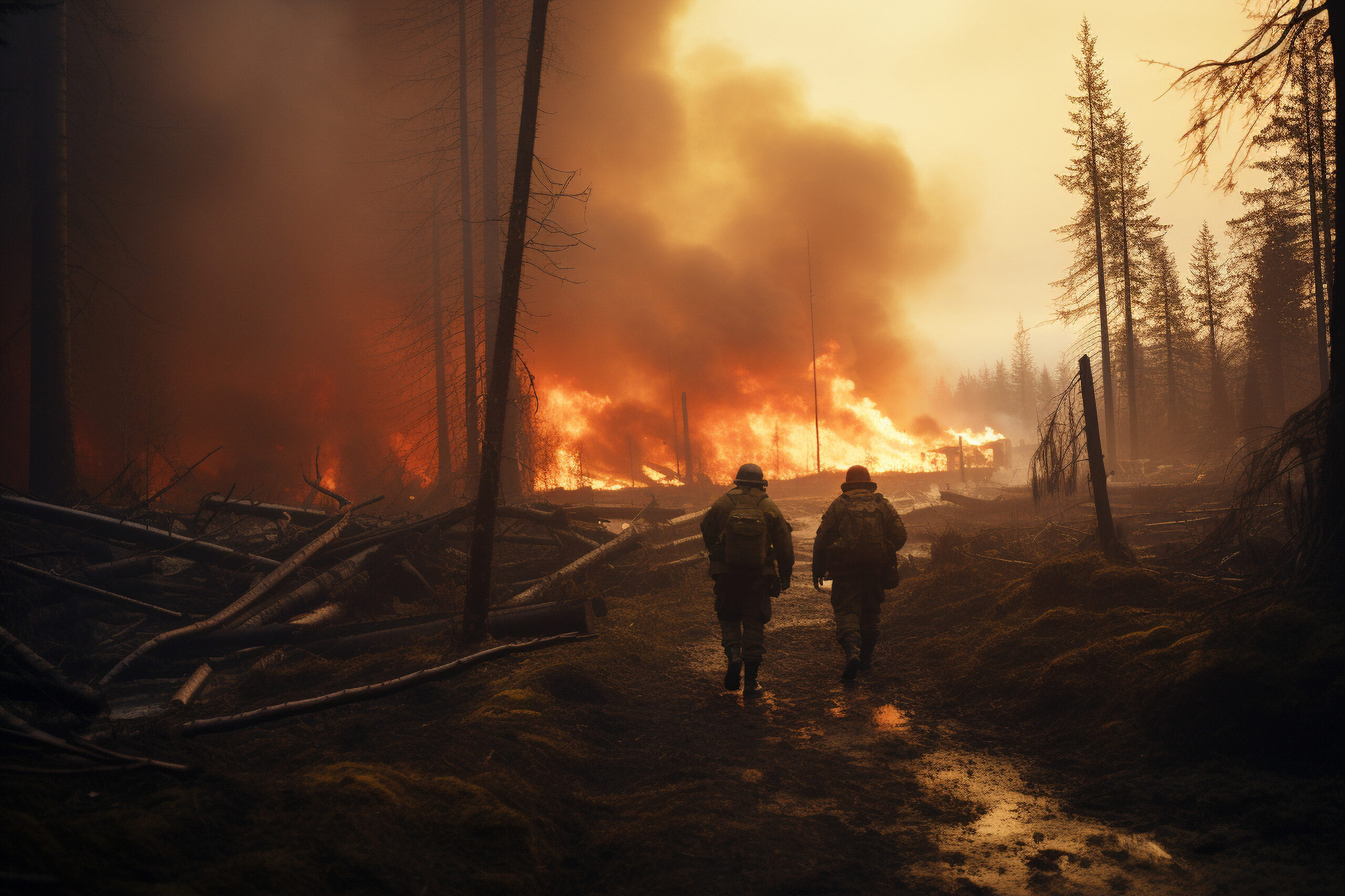
Wildfires have evolved from seasonal environmental events into persistent economic crises. As climate conditions intensify and development expands into fire-prone areas, wildfires now create financial consequences that last for years, sometimes decades. The economic impacts of wildfires go far beyond the visible destruction of homes and forests, affecting employment, housing markets, public health, government budgets, insurance systems, and long-term regional stability.
Understanding these economic impacts is essential not only for recovery but also for prevention and resilience. Communities that grasp the full scope of wildfire-related economic damage are better positioned to rebuild smarter, allocate resources more effectively, and protect future generations from repeating the same losses.
This comprehensive guide explains the short- and long-term economic impacts of wildfires, why recovery is often slow, and what individuals, businesses, and communities can do to move forward.
Table of Contents
- Introduction: Why the Economic Impacts of Wildfires Matter More Than Ever
- The Expanding Scale of Wildfire-Driven Economic Damage
- Immediate Economic Impacts of Wildfires
- Hidden and Indirect Short-Term Economic Losses
- Long-Term Economic Impacts of Wildfires
- Housing, Real Estate, and Wealth Loss After Wildfires
- Employment, Wages, and Workforce Disruption
- Industry-by-Industry Breakdown of Wildfire Economic Losses
- Government Spending, Insurance Systems, and Taxpayer Exposure
- Public Health Costs and Economic Productivity Loss
- Inequality and Uneven Economic Recovery
- 5 Critical Questions About the Economic Impacts of Wildfires (Answered)
- What True Economic Recovery Looks Like After a Wildfire
- Prevention, Mitigation, and Reduction of Future Economic Impacts
- The Future of Wildfire Economics in a Changing Climate
- Final Takeaways
- Call to Action: Eaton Fire Is Here to Help
1. Introduction: Why the Economic Impacts of Wildfires Matter More Than Ever
Wildfires are no longer rare or isolated disasters. In many regions, they are annual events that permanently alter economic conditions. Entire communities now live with the expectation that wildfires will return, and with that expectation comes financial instability.
Wildfires influence where people live, insurance costs, business survival, and government resource allocation. These impacts reach well beyond fire zones, shaping housing markets, healthcare, and labor across regions.
As wildfire seasons grow longer and more intense, economic consequences are no longer temporary setbacks; they are structural challenges that demand long-term solutions.
2. The Expanding Scale of Wildfire-Driven Economic Damage
Wildfires now rank among the costliest disasters in modern history. Early assessments focused mainly on suppression and property damage, but economists now recognize a broader range of financial loss.
The total economic impacts of wildfires include:
- Direct property and infrastructure damage
- Business interruption and lost productivity
- Emergency response and disaster relief spending
- Healthcare costs related to smoke exposure
- Environmental degradation is affecting agriculture and tourism.
- Long-term housing shortages and affordability crises
- Insurance market instability
3. Immediate Economic Impacts of Wildfires

Business Shutdowns
Income Disruption
Emergency Response Spending
4. Hidden and Indirect Short-Term Economic Losses
Supply Chain Disruptions
Reduced Consumer Spending
Tourism Decline
5. Long-Term Economic Impacts of Wildfires
Prolonged Housing Shortages
Insurance Market Retreat
Declining Investment
Population Loss
6. Housing, Real Estate, and Wealth Loss After Wildfires
Housing is central to understanding the economic impacts of wildfires.
- Homeowners lose equity
- Renters face displacement and rising costs.
- Housing supply shrinks
- Rebuilding costs increase
7. Employment, Wages, and Workforce Disruption
Wildfires disrupt labor markets in multiple ways:
- Job losses from destroyed businesses
- Reduced hours due to smoke-related closures
- Workforce displacement
- Increased demand for construction and recovery labor
8. Industry-by-Industry Breakdown of Wildfire Economic Losses
- Crop destruction
- Livestock loss
- Soil erosion
- Long-term productivity decline
Tourism and Recreation
- Canceled travel
- Damaged natural attractions
- Prolonged recovery timelines
Energy and Utilities
- Infrastructure damage
- Power outages
- Legal liability
Healthcare
- Increased emergency visits
- Long-term respiratory treatment
- Mental health services
9. Government Spending, Insurance Systems, and Taxpayer Exposure
Wildfires strain public finances at every level.
- Local governments lose tax revenue.
- States fund emergency response and recovery
- Federal disaster aid increases national spending.
- Taxpayers absorb long-term costs.
10. Public Health Costs and Economic Productivity Loss

- Asthma and respiratory disease
- Cardiovascular issues
- Anxiety, depression, and PTSD
11. Inequality and Uneven Economic Recovery
The economic impacts of wildfires are not evenly distributed.
- Low-income households recover more slowly.
- Renters receive less assistance.
- Small businesses face higher failure rates.
- Rural communities lack recovery resources.
12. 5 Critical Questions About the Economic Impacts of Wildfires (Answered)
1. What are the most significant economic impacts of wildfires?
2. How long does economic recovery usually take?
3. Do wildfires affect people outside the burn area?
4. Why are wildfire economic losses increasing?
5. Can prevention reduce economic impacts?
13. What True Economic Recovery Looks Like After a Wildfire
Recovery is not just rebuilding structures; it is restoring stability.
- Housing affordability
- Business reopening
- Workforce retention
- Infrastructure modernization
- Community trust
14. Prevention, Mitigation, and Reducing Future Economic Impacts
Reducing the economic impacts of wildfires requires proactive investment:
- Fire-resistant construction
- Vegetation management
- Utility upgrades
- Early detection systems
- Community preparedness
15. The Future of Wildfire Economics in a Changing Climate
Climate Change and Escalating Financial Risk

- Burning hotter and spreading faster
- Occurring outside traditional fire seasons
- Reaching urban and suburban areas previously considered low risk
Shifting Insurance Economics and Market Realignment
One of the most visible indicators of changing wildfire economics is the transformation of insurance markets. As wildfire losses mount, insurers are forced to reassess their exposure. This has led to:
- Sharp increases in premiums
- Higher deductibles and reduced coverage limits
- Policy nonrenewals in high-risk areas
- Withdrawal of insurers from entire regions
These changes push more financial risk onto homeowners, renters, and governments. When insurance becomes unavailable or unaffordable, the economic impacts of wildfires multiply, slowing housing markets, discouraging investment, and increasing reliance on public disaster aid.
Housing, Development, and Long-Term Economic Viability
Housing markets will play a central role in the future of wildfire economics. As rebuilding costs rise and insurance becomes scarce, communities will be forced to confront difficult questions:
- Should rebuilding occur in the same high-risk areas?
- How can housing remain affordable while meeting stricter fire-resistant standards?
- Who bears the cost of increased resilience requirements?
Without thoughtful planning, wildfire-prone regions risk long-term population decline as residents are priced out or choose to relocate permanently. This population loss reduces tax revenue, weakens local labor markets, and undermines long-term economic growth.
Conversely, communities that adopt fire-resilient development strategies such as updated building codes, defensible space requirements, and smart zoning can stabilize housing markets and preserve economic viability.
Public Infrastructure and the Cost of Inaction
Infrastructure systems built for a different climate era are increasingly vulnerable to wildfire damage. Power lines, water systems, transportation corridors, and communication networks are often both victims of wildfires and contributors to their ignition.
The economic impacts of wildfires are amplified when critical infrastructure fails, triggering:
- Extended power outages
- Disrupted emergency response
- Supply chain breakdowns
- Business interruption across multiple sectors
Workforce Shifts and the Rise of the Resilience Economy
As wildfire risk reshapes regional economies, labor markets will evolve. Traditional industries may contract in high-risk areas, while new economic sectors emerge, including:
- Wildfire mitigation and land management
- Fire-resistant construction and retrofitting
- Emergency response and disaster planning
- Environmental monitoring and early detection technologies
Government Policy and the Economics of Prevention
Historically, much of wildfire-related spending has focused on suppression and recovery rather than prevention. However, economic research consistently shows that prevention and mitigation deliver far higher returns on investment.
Forward-looking economic policy must emphasize:
- Fuel reduction and forest management
- Community-level mitigation grants
- Incentives for fire-resistant construction
- Public-private partnerships for resilience
Regional Inequality and Economic Displacement Risks
The future economic impacts of wildfires will not be evenly distributed. Lower-income households, rural communities, and marginalized populations face greater exposure and fewer resources to recover.
Without targeted intervention, wildfire economics may drive:
- Increased displacement and housing insecurity
- Deepening regional inequality
- Concentration of risk among those least able to absorb losses
Long-Term Stability Through Resilience Investment
Ultimately, the future of wildfire economics hinges on one central principle: resilience is an economic strategy, not just an environmental one.
Communities that invest in resilience through smart land-use planning, infrastructure upgrades, insurance reform, and workforce development are more likely to experience:
- Lower overall economic losses
- Faster recovery after disasters
- Greater investor confidence
- Stronger long-term economic stability
Looking Ahead
The economic impacts of wildfires will continue to shape policy decisions, housing markets, and regional development for decades to come. The choices made today about where and how we build, how we insure risk, and how we invest public funds will determine whether communities merely survive wildfire seasons or emerge stronger and more resilient.
By treating wildfire resilience as a core economic priority, communities can transform a growing threat into an opportunity for smarter growth, sustainable development, and long-term prosperity.
16. Final Takeaways
Wildfires are economic events as much as environmental disasters. The economic impacts of wildfires shape housing markets, labor forces, healthcare systems, and public budgets for years.
Understanding these impacts is the first step toward smarter recovery and stronger resilience.
17. Call to Action: Eaton Fire Is Here to Help
If you or your community has been affected by wildfire damage, you don’t have to face the economic aftermath alone.
