
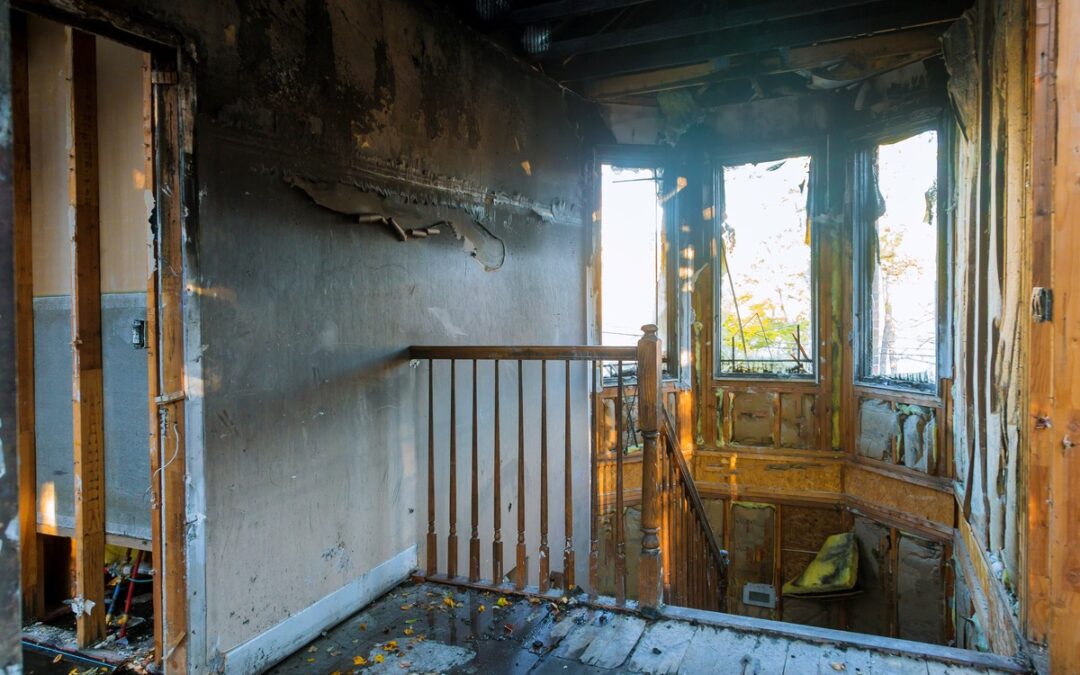
Eaton Fire Investigation Explained: Timeline, Findings, and Impact
Wildfires don’t just destroy land and property; they raise urgent questions about cause, responsibility, and accountability. The Eaton fire investigation has become a critical process for understanding how the fire started, how it spread so rapidly, and what the findings mean for victims, insurers, and the broader community.
This guide explains the Eaton fire investigation from ignition reports to official findings, legal implications, and long-term impact. If you’re a homeowner, business owner, or wildfire survivor, understanding this investigation can empower you to take informed action for your recovery and protect your rights, read on to equip yourself with essential knowledge.
Table of Contents:
- What Is the Eaton Fire Investigation?
- Timeline of the Eaton Fire Investigation
- How Wildfire Investigations Are Conducted
- Key Findings From the Eaton Fire Investigation
- What the Eaton Fire Investigation Means for Victims
- Legal and Insurance Implications
- Environmental and Community Impact
- Preventing Future Wildfires
- Frequently Asked Questions About the Eaton Fire Investigation
- What to Do If You Were Affected by the Eaton Fire
1. What Is the Eaton Fire Investigation?
The Eaton fire investigation is a formal, highly structured, multi-agency inquiry designed to determine how the Eaton Fire started, where it originated, how it spread so rapidly, and whether the fire was caused or worsened by human activity, negligence, or infrastructure failure. This investigation is not a single report or agency action; it is a comprehensive process involving fire authorities, forensic experts, engineers, environmental analysts, and, in some cases, legal and regulatory bodies.
The Eaton fire investigation aims to establish evidence-based facts about the fire. These findings set the basis for accountability, recovery, insurance decisions, and future prevention.
A Multi-Agency Effort
- Local fire departments
- State fire marshals
- Federal agencies (when applicable)
- Utility and infrastructure investigators
- Independent fire origin and cause experts
Determining Cause and Origin
One of the primary objectives of the Eaton fire investigation is to determine the point of origin, the precise location where the fire ignited, and the probable cause, meaning the most likely ignition source based on available evidence.
Possible causes examined during the Eaton fire investigation may include:
- Electrical or utility equipment failure
- Downed or arcing power lines
- Equipment malfunction
- Human activity, such as construction or vehicle operation
- Accidental ignition from tools or machinery
Evaluating Human Activity and Negligence
A critical part of the Eaton fire investigation is deciding if the fire was preventable. This means assessing whether any individual, company, or entity failed to use reasonable care.

- Failure to maintain the electrical infrastructure
- Inadequate vegetation management
- Delayed equipment repairs
- Violations of fire safety regulations
- Ignoring known fire risks during extreme weather conditions
Why the Eaton Fire Investigation Is Essential
1. Establishing the Official Cause and Origin
2. Identifying Liable Parties
3. Supporting Insurance Claims
4. Providing Evidence for Lawsuits and Recovery Actions
5. Informing Policy and Fire Prevention Strategies
- Infrastructure upgrades
- Emergency response protocols
- Utility safety regulations
- Vegetation management policies
- Community wildfire preparedness planning
Evidence-Based, Not Speculation
A key distinction of the Eaton fire investigation is its focus on verified evidence rather than early media reports or public assumptions. Speculation is common after major fires. Official investigations take time because they involve examining the physical site, running lab tests, analyzing weather data, reviewing records, and conducting expert modeling.
- Physical site examinations
- Laboratory testing of materials
- Analysis of weather and wind data
- Review of maintenance and inspection records
- Expert fire behavior modeling
Why Investigation Timelines Matter
2. Timeline of the Eaton Fire Investigation
Initial Ignition and Emergency Response
- Fire reported during high-risk weather conditions.
- First responders focus on life safety and containment, not the cause.
- Evacuation orders were issued rapidly due to the wind and terrain.
Securing the Origin Area
- Investigators secure suspected ignition zones.
- Access is restricted to prevent contamination of evidence.
- Burn patterns are documented before debris removal.
Evidence Collection Phase
- Electrical equipment
- Utility poles and lines
- Burn direction indicators
- Witness statements
- Surveillance footage (when available)
Analysis and Testing
- Materials are tested in labs.
- Electrical components may be reconstructed.
- Weather data is analyzed.
- Fire behavior modeling is conducted.
Preliminary Findings Released
Final Eaton Fire Investigation Report
- Fire origin point
- Probable cause
- Contributing factors
- Whether negligence is suspected
3. How Wildfire Investigations Are Conducted?
Fire Pattern Analysis
- V-shaped burn patterns
- Char depth
- Heat shadows
- Directional indicators
Electrical and Utility Examination

- Power lines
- Transformers
- Substations
- Smart meter data
Human Activity Review
- Construction activity
- Vehicle movement
- Campfires or equipment use
- Trespassing reports
Weather and Environmental Factors
4. Key Findings From the Eaton Fire Investigation
Probable Cause vs. Contributing Factors
- Probable cause: The most likely ignition source
- Contributing factors: Conditions that worsened the spread of the fire
- Aging infrastructure
- Delayed maintenance
- Vegetation management failures
- Extreme weather
Human Responsibility
- Civil liability
- Regulatory penalties
- Class action lawsuits
5. What the Eaton Fire Investigation Means for Victims
Why the Investigation Matters to You
- Determines whether you can pursue compensation
- Supports insurance disputes
- Strengthens legal claims for:
- Property damage
- Business interruption
- Smoke damage
- Temporary housing costs
- Emotional distress
6. Legal and Insurance Implications
Insurance Claims

- Confirm coverage
- Attribute cause
- Justify delays or denials.
Third-Party Liability Claims
If a utility company, contractor, or property owner is implicated, victims may pursue claims outside their insurance policy limits.
7. Environmental and Community Impact
Environmental Damage
- Soil erosion
- Watershed contamination
- Wildlife habitat loss
- Long-term vegetation instability
Community Consequences
- Displacement
- Business closures
- Health risks from smoke exposure
- Reduced property values
8. Preventing Future Wildfires
Key Prevention Lessons
- Infrastructure modernization
- Stronger vegetation management
- Early shutoff systems
- Improved evacuation planning
9. Frequently Asked Questions About the Eaton Fire Investigation
1. What is the main goal of the Eaton fire investigation?
2. How long does an Eaton fire investigation usually take?
3. Can I file a claim before the Eaton fire investigation is complete?
4. What happens if negligence is found in the Eaton fire investigation?
5. How can Eaton Fire help people affected by the investigation?
10. What to Do If You Were Affected by the Eaton Fire
Immediate Steps to Take
- Document all damage
- Save receipts and records.
- Photograph the property loss.
- Request full policy reviews.
- Seek professional guidance early.
Strong Call to Action
The Eaton fire investigation is about more than understanding the past; it’s about protecting your future.
If you or your family were affected by the Eaton Fire, you deserve answers, support, and full compensation, not delays or denials.

Eaton Fire is here to help.
We advocate for wildfire victims, help you understand investigation findings, and guide you through recovery with clarity and confidence.
👉 Don’t face the aftermath alone. Contact Eaton Fire today for a free consultation to protect your rights, your recovery, and your peace of mind.