

Did the Rain Help the Wildfires? Understanding Its Impact on Fire Control and Recovery
In many cases, rain can be a powerful ally in controlling active wildfires and helping landscapes recover. But the truth is more complex than a simple yes or no. Rain can help, hurt, or change wildfire behavior in ways that the public doesn’t always expect.
This in-depth guide breaks down how rain affects wildfire intensity, containment, smoke conditions, long-term recovery, and post-fire safety.
Table of Contents:
- What Happens When Rain Falls During a Wildfire?
- Does Rain Always Help Control Wildfires?
- How Much Rain Is Needed to Put a Wildfire Out?
- The Benefits of Rain After a Wildfire
- The Hidden Dangers of Rain Following Wildfire Events
- 5 Essential FAQs About Rain and Wildfires
- Final Thoughts
- Strong Call to Action: Eaton Fire Is Here to Help
1. What Happens When Rain Falls During a Wildfire?
Rain dramatically changes wildfire conditions, but how it changes them depends on several factors:
- Intensity of rainfall
- Duration
- Wind speed
- Type of vegetation (fuel)
- Terrain
- Pre-existing dryness
To truly understand whether the rain helped the wildfires, we have to look at how moisture affects fuels, smoke, and fire spread.
How Rain Impacts Fire Behavior Immediately
Wildfires burn because vegetation becomes dry enough to ignite easily. When rain arrives:
- Leaves absorb moisture
- Pine needles swell
- Grass becomes heavier
- Branches and brush lose flammability
Even a small amount of moisture increases the fuel moisture content, slowing ignition.
2. Lower Temperatures and Higher Humidity
Fire behavior is highly sensitive to temperature and humidity. Rainstorms:
- Lower surface temperatures
- Increase the moisture content of the surrounding air
- Reduce the ability of flames to climb or spread
Higher humidity, even without rainfall, can reduce fire spread by decreasing evaporation.
3. Reduced Fire Intensity
Fire intensity refers to:
- Flame length
- Heat output
- Speed of combustion
Rain reduces all three. Firefighters often report that fire behavior becomes much more predictable and manageable during or shortly after rainfall.
4. Improved Visibility and Air Quality
Rain scrubs the air of smoke particles, which helps:
- Firefighters navigate terrain
- Aircraft conduct water drops
- Residents breathe more safely
Rain is often the first significant break communities get from hazardous air.
But Rain Doesn’t Always Reach the Fire
This surprises many people, but it’s extremely common.
Canopy Interception
In forests, tall trees catch much of the rainfall before it reaches the forest floor. Light rain can be fully absorbed by:
- Leaves
- Pine needles
- Branches
Result: The ground remains dry, and the fire continues to burn.
Rapid Evaporation
In hot, windy weather, raindrops evaporate before they reach the ground. This is called virga. You may see rain falling from clouds, but it never actually touches the fire.
Strong Winds That Spread Embers
Strong gusty winds accompany many rainstorms. These winds can:
- Scatter embers
- Create spot fires
- Push flames into dry fuel areas
- Overwhelm the cooling effects of light rainfall
Sometimes yes, but sometimes the rain isn’t enough.
2. Does Rain Always Help Control Wildfires?
Rain is helpful most of the time, but not always in the ways people believe.
When Rain Helps
Rain is most beneficial when:
1. It Is Sustained
A steady rain lasting several hours gives vegetation time to absorb moisture truly.
2. It Soaks the Ground
Deep duff layers, decaying leaves, and roots can hold heat for days. Heavy moisture is necessary to reach these layers.
3. It Comes With Mild or No Wind
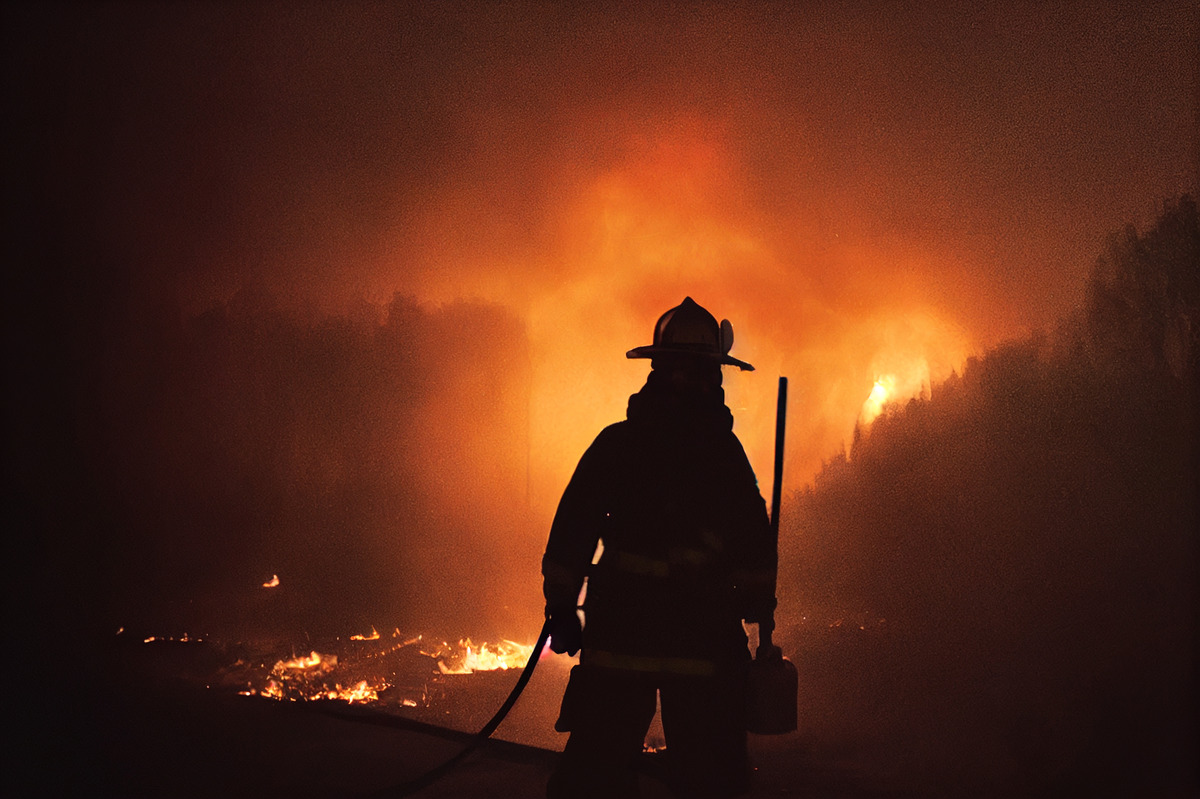
Rain strengthens the work crews have already done, supporting their lines and preventing flare-ups.
In these conditions, rain can significantly slow wildfire spread, sometimes by 50% or more.
When Rain Does NOT Help Wildfires
There are many scenarios where rain offers limited or no firefighting benefit:
1. Dry Thunderstorms
These storms produce lightning but very little rain, sparking new wildfires.
2. Fast-Moving Showers
If rainfall is brief or light, it may only wet the surface of fuels. Beneath the outer layer, the dry material continues to burn.
3. Storms With High Winds
Winds over 25 mph can:
- Ignite new fires
- Spread embers
- Dry out fuels quickly
In drought conditions, fuels may be so dry that they need days of rain, not minutes, to shift fire behavior.
5. Fire Burning in Protected Terrain
3. How Much Rain Is Needed to Put a Wildfire Out?
This is one of the most misunderstood parts of wildfire science. Many people assume one rainfall event can put out a fire. But in reality, it takes much more.
Light Rain (0.1 to 0.25 inches)
- Slightly slows the fire
- Helps surface fuels
- Minimal impact on deep fuels
- Does not extinguish a fire
Moderate Rain (0.25 to 0.5 inches)
- Reduces flame height
- Helps firefighters reach problem spots
- Slows long-range ember spread
Heavy Rain (0.5 to 1 inch)
- Cools the fire environment
- Helps reach deep fuels
- Suppresses heat pockets
- Significant smoke reduction
Sustained Rain (1 inch or more over 24–48 hours)
This is the type of rain that truly helps put out a wildfire.
Effects include:
- Extinguishing root fires
- Penetrating logs, stumps, and dense brush
- Ending widespread fire activity
- Preventing reignition
- Providing moisture for long-term recovery
Why Fires Still Burn After Heavy Rain
Even with inches of rainfall:
- Underground roots may still smolder
- Tree stumps can retain heat
- Large logs burn internally
- Dry soil can repel moisture
- Hotspots remain beneath ash layers
So, did the rain help the wildfires?
Yes, but rarely enough to replace firefighting efforts entirely.
4. The Benefits of Rain After a Wildfire
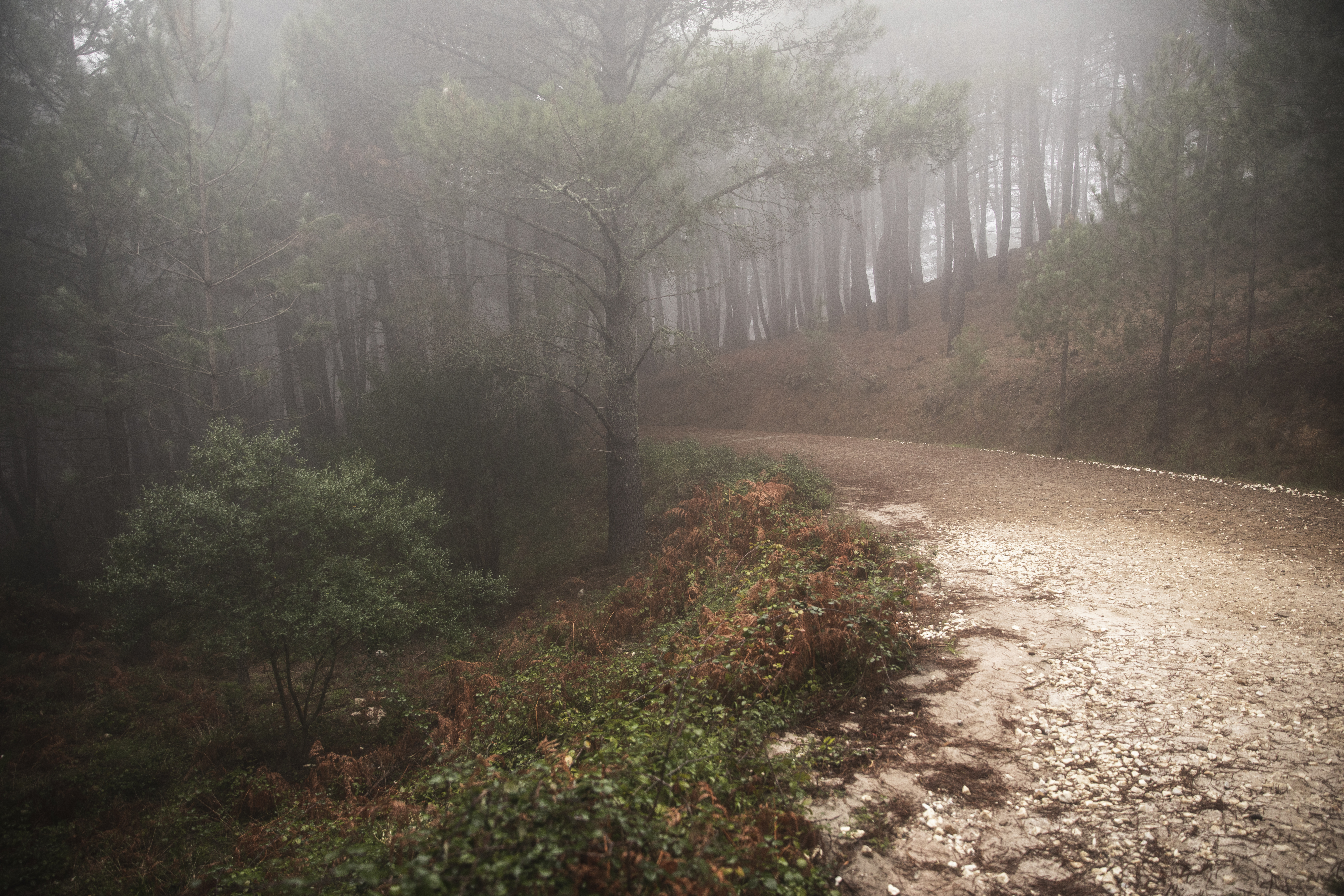
Wildfires burn away moisture from:
- Topsoil
- Roots
- Tree bark
- Organic ground layers
Rain recharges the soil’s ability to hold nutrients, which is essential for regrowth.
2. Cooling Remaining Fire Activity
Even after containment, fires may smolder for weeks. Gentle rain cools:
- Hot ash
- Roots
- Embers
- Hidden burn pockets
This reduces the chances of re-ignition.
3. Encouraging New Plant Growth
Species such as:
- Fireweed
- Grasses
- Shrubs
- Pine seedlings
Thrive after a fire, mainly when supported by post-fire rainfall.
4. Clearing the Air
Rain purifies the atmosphere by removing:
- Ash
- Smoke particles
- Pollutants
- Toxins released from burned structures
This dramatically improves air quality for nearby populations.
5. Recharging Water Systems
Runoff from rain helps replenish:
- Groundwater
- Rivers
- Creeks
- Reservoirs
5. The Hidden Dangers of Rain Following Wildfires
Unfortunately, rain after a wildfire is not always a blessing. There are significant hazards that develop when burned landscapes meet moisture.
1. Mudslides and Debris Flows
The intense heat of a wildfire bakes soil into a water-repellent layer known as hydrophobic soil. Without vegetation to stabilize slopes, rainfall causes:
- Fast-moving mudslides
- Debris flows containing rocks, logs, and ash
- Destruction of roads and homes
These flows can reach speeds of 15–35 mph.
2. Flash Flooding
Burned watersheds absorb almost no water. Instead, rainfall runs off instantly, creating:
- Sudden floods
- Overflowing creeks
- Flooded culverts and roads
Even mild rain can cause severe flooding in the first 1–3 years after a wildfire.
3. Water Contamination
Ash, charred debris, and chemicals washed into rivers can lead to:
- Unsafe drinking water
- Contamination of community water systems
- Increased sediment in reservoirs
This can have long-term impacts on infrastructure.
4. Erosion and Loss of Habitat
Heavy rain strips away nutrient-rich soil layers. This slows regrowth and damages ecosystems relied on by:
- Birds
- Small mammals
- Insects
- Fish
Rain can cause weakened trees (called “snags”) to fall, damaging:
- Power lines
- Roads
- Homes
- Rec areas
6. FAQs: 5 Important Questions About Rain and Wildfires
Your article requested five questions and answers; the main content has been expanded and optimized below.
FAQ 1: Did the rain help the wildfires in my area?
It depends on:
- How much rain fell
- How long did it last
- Whether the winds were high
- How dry the vegetation was
- Whether the rain reached the ground
Light, quick rain showers offer minimal help. Heavy, sustained rain provides meaningful cooling and suppression.
FAQ 2: Why didn’t the wildfire stop even though it rained?
Fires need significant changes in fuel moisture, and that requires more than a passing shower. Rain may not:
- Reach deep fuels
- Penetrate tree canopies
- Cool underground roots
- Offset wind gusts during storms
FAQ 3: Can storms actually make wildfires worse?
Yes. Storms may bring:
- High winds
- Dry lightning
- Low rainfall
- Downed power lines
- New ignitions
In some cases, wildfires flare up harder right before or during a storm.
FAQ 4: How long after rainfall does a wildfire stay dangerous?
Even after rain:
- Hotspots can smolder for days or weeks
- Winds can reignite embers
- Underground roots may continue burning
Fire crews often monitor burn areas long after rainfall, especially in forests.
FAQ 5: How much rain does it take to extinguish a wildfire fully?
Typically:
- 0.25 inches slows it
- 0.5 inches weakens it
- 1 inch+ over 24–48 hours can significantly extinguish areas
7. Final Thoughts
Most of the time, yes, but not always in the ways people expect.
Rain can:
- Slow fire growth
- Improve air quality
- Reduce fire intensity
- Support firefighter efforts
- Accelerate recovery
But it can also create:
- Landslides
- Floods
- Contamination
- Hidden dangers on unstable terrain
8. Strong Call to Action: Eaton Fire Is Here to Help
Wildfire recovery doesn’t end when the flames go out or when the rain begins. The aftermath can be overwhelming, and families often struggle with:
- Insurance claims
- Property assessments
- Water and smoke damage
- Temporary housing
- Long-term recovery planning

👉 If you’re dealing with wildfire damage or worried about what rain may mean for your home and community, Contact Eaton Fire today for a free consultation.
Our team is ready to help you navigate cleanup, recovery, and insurance support with confidence and care.
Your recovery matters. We’re here to guide you every step of the way.