
Can Scientists Predict Wildfires Before They Start?
Wildfires are no longer unpredictable acts of nature that strike without warning. Around the world, fires are burning faster, hotter, and longer than ever before, destroying entire communities, displacing families, and reshaping landscapes that can last for generations.
As wildfire seasons grow longer and more destructive, one urgent question continues to dominate public concern, scientific research, and emergency planning:
Can wildfires be predicted?
Thanks to advances in artificial intelligence (AI), satellite monitoring, climate modeling, and environmental science, researchers can now anticipate wildfire risk, ignition likelihood, and fire behavior before flames appear. While scientists cannot yet predict the exact moment or location of every wildfire, modern forecasting tools have transformed wildfire prediction from guesswork into a data-driven science.
This comprehensive guide explores how wildfire prediction works, what science can realistically forecast, where its limitations remain, and why early prediction is becoming one of the most powerful tools in wildfire prevention, preparedness, and recovery.
Table of Contents:
- Why Wildfire Prediction Is a Global Priority
- The Evolution of Wildfires in the Modern Era
- What Causes Wildfires? A Scientific Breakdown
- Can Wildfires Be Predicted? What Science Really Says
- Risk Prediction vs. Exact Fire Prediction
- How Artificial Intelligence Is Revolutionizing Wildfire Forecasting
- Big Data, Machine Learning, and Fire Probability
- The Role of Satellites, Drones, and Remote Sensors
- Weather Forecasting and Fire Behavior Modeling
- Climate Change and Long-Term Wildfire Prediction
- 5 Essential Questions About Wildfire Prediction (Answered)
- How Scientists Predict Fire Spread Before Ignition
- The Human Factor: Why People Complicate Predictions
- Limitations of Current Wildfire Prediction Systems
- Why Prediction Still Saves Lives Even When Imperfect
- How Homeowners and Communities Can Use Predictive Data
- The Future of Wildfire Prediction Technology
- Eaton Fire’s Commitment to Preparedness and Recovery
- Final Insights: Prediction Is the First Line of Defense
- Strong Call to Action – Eaton Fire
1. Why Wildfire Prediction Is a Global Priority
Wildfires have emerged as one of the most severe and fast-growing natural disaster threats facing the world today. What were once considered seasonal or regional hazards have evolved into persistent, large-scale emergencies that affect entire nations, disrupt global supply chains, overwhelm emergency services, and permanently alter ecosystems.
From California and Canada to Australia, Southern Europe, and South America, wildfires are no longer isolated events; they are a global crisis.
As wildfires increase in frequency and intensity, governments, scientists, insurers, and emergency responders agree: early prediction saves lives, property, and resources. Anticipating wildfire risk before ignition has become critical in modern disaster management.
The Rising Cost of Wildfires Worldwide
- Thousands of deaths and injuries
- Millions of forced evacuations
- Billions of dollars in property and infrastructure damage
- Long-term health consequences from smoke exposure
- Irreversible ecological damage
Why Early Wildfire Prediction Matters
Wildfires move quickly, often faster than authorities can issue evacuation orders if they are caught unprepared. In many catastrophic fires, the most tragic outcomes occur not because responders lacked courage or resources, but because they lacked time.
Early wildfire prediction creates that time.
When wildfire risk is identified days or even hours in advance, authorities can take proactive steps that dramatically reduce harm. These actions include:
- Issuing evacuation orders sooner, allowing residents to leave safely rather than fleeing at the last moment
- Deploying firefighting resources strategically, positioning crews, aircraft, and equipment in high-risk areas before ignition
- Shutting down vulnerable power lines, which are a leading cause of wildfire ignitions during high-wind events
- Restricting high-risk activities, such as outdoor burning, industrial work, or public access to fire-prone areas
- Reducing fatalities and property loss by minimizing exposure and improving emergency coordination
From Reaction to Prevention
Wildfire management was traditionally reactive: fires were fought after they started, communities evacuated once danger was visible, and recovery followed destruction. This approach saved lives but often came too late to prevent catastrophe.
Wildfire prediction represents a fundamental shift in strategy from reaction to prevention.
Climate Extremes Make Prediction Essential, Not Optional
- Higher average temperatures dry vegetation more quickly.
- Longer droughts increase fuel availability.
- Reduced snowpack shortens moisture seasons.
- Stronger and more erratic winds accelerate fire spread.
Now, wildfires are no longer limited to predictable seasons or places. Areas once thought low-risk are facing devastating fires, often with no historical precedent to guide response.
In this new reality, wildfire prediction is not a luxury; it is a necessity. Accurate forecasting allows communities to adapt to rapidly changing conditions and prepare for fires that would otherwise arrive without warning.
A Shared Global Responsibility
- Governments rely on predictive models to guide public safety decisions.
- Scientists use advanced data analysis to refine forecasting accuracy.
- Emergency responders depend on early warnings to protect lives.
- Insurers assess risk and resilience using predictive data.
- Communities and homeowners use forecasts to prepare and protect themselves.
The Bottom Line
Wildfires cannot be eliminated, but their impact can be reduced. Early prediction offers critical time to prepare, evacuate, and act decisively.
As wildfire threats escalate globally, prediction becomes vital. It turns wildfire management into a strategic effort rooted in foresight, science, and prevention.
2. The Evolution of Wildfires in the Modern Era
What Has Changed?
- Urban expansion into fire-prone areas
- Fire suppression policies are contributing to increased fuel buildup.
- Climate change is drying vegetation.
- Aging infrastructure triggering ignitions
3. What Causes Wildfires? A Scientific Breakdown
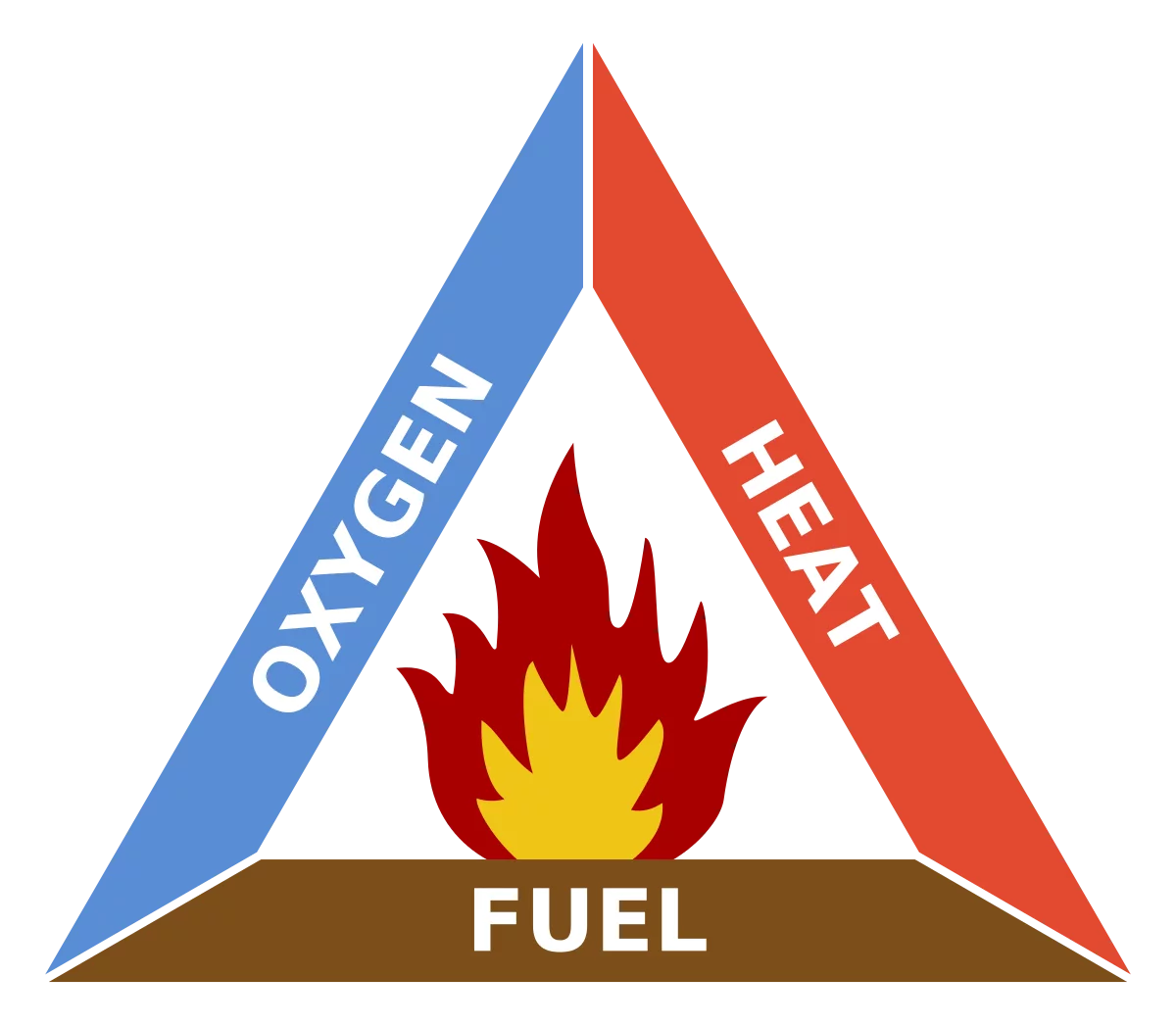
- Fuel – dry vegetation such as grass, shrubs, and trees
- Heat – lightning, sparks, or extreme temperatures
- Oxygen – naturally present in the atmosphere
Common Wildfire Ignition Sources
- Lightning strikes
- Downed or faulty power lines
- Campfires and outdoor burning
- Equipment sparks
- Arson
- Heatwaves combined with drought
4. Can Wildfires Be Predicted? What Science Really Says
So, can wildfires be predicted?
Scientists cannot yet predict the exact moment and location of every wildfire. However, they can accurately predict:
- When conditions are favorable for ignition
- Where wildfire risk is highest
- How severe a fire could become if ignited
This means wildfire prediction is probabilistic, not deterministic.
In other words, scientists don’t predict the fire; they predict the danger.
5. Risk Prediction vs. Exact Fire Prediction
Predicting a Specific Fire
- Exact ignition time
- Exact location
- Exact cause
Predicting Wildfire Risk
- Weather patterns
- Fuel moisture levels
- Wind conditions
- Terrain features
- Human activity probability
This type of prediction is already highly advanced and widely used by fire agencies.
When people ask whether wildfires can be predicted, they usually mean fire risk forecasting, which is already saving lives.
6. How Artificial Intelligence Is Revolutionizing Wildfire Forecasting
What AI Analyzes
- Historical wildfire records
- Real-time weather data
- Wind speed and direction
- Soil and vegetation moisture
- Topography
- Infrastructure locations
- Human movement patterns
7. Big Data, Machine Learning, and Fire Probability
- Continuously update predictions
- Learn from new fires.
- Adjust for regional differences.
- Improve accuracy over time.
AI-powered systems can run thousands of simulations in minutes, allowing scientists to explore countless wildfire scenarios.
This technology has significantly strengthened answers to the question: Can wildfires be predicted before they start?
8. The Role of Satellites, Drones, and Remote Sensors
Satellites Monitor:
- Surface temperatures
- Vegetation health
- Drought severity
- Lightning activity
- Smoke movement

- Monitor remote areas
- Measure humidity and temperature.
- Detect early heat signatures.
9. Weather Forecasting and Fire Behavior Modeling
Weather is one of the most critical factors in wildfire prediction.
Scientists analyze:
- Temperature trends
- Wind speed and direction
- Relative humidity
- Atmospheric instability
- How fast a fire could spread
- Which direction would it move?
- How intense it would become
10. Climate Change and Long-Term Wildfire Prediction
Climate-Driven Risk Factors
- Rising average temperatures
- Longer droughts
- Reduced snowpack
- Stronger winds
- Future high-risk regions
- Shifts in fire seasons
- Increasing fire intensity
11. 5 Essential Questions About Wildfire Prediction (Answered)
Question 1: Can wildfires be predicted before they start?
Wildfires cannot be predicted with absolute certainty, but scientists can accurately forecast high-risk conditions and ignition probability days or even weeks in advance.
Question 2: How far in advance can wildfire risk be predicted?
Short-term wildfire risk can be predicted 3–14 days ahead, while seasonal and climate-based risk can be forecast months in advance.
Question 3: Does AI significantly improve wildfire prediction accuracy?
Yes. AI allows scientists to process massive datasets in real time, improving prediction accuracy and speed.
Question 4: Can wildfire prediction actually prevent fires?
Prediction alone cannot stop all fires, but it enables prevention strategies such as controlled burns, power shutoffs, and public safety restrictions.
Question 5: Will wildfire prediction ever be 100% accurate?
Perfect accuracy is unlikely due to unpredictable human behavior and sudden environmental changes, but prediction tools will continue to improve.
12. How Scientists Predict Fire Spread Before Ignition
Even before a fire starts, scientists can model how it would behave.
These models consider:
- Terrain slope
- Fuel type and density
- Wind conditions
- Weather forecasts
- High-risk neighborhoods
- Critical evacuation routes
- Ideal locations for firebreaks
13. The Human Factor: Why People Complicate Predictions
Examples include:
- Illegal burning
- Equipment misuse
- Negligence
- Arson
14. Limitations of Current Wildfire Prediction Systems
Key Limitations
- Sudden wind shifts
- Data gaps in remote areas
- Infrastructure failures
- Unpredictable ignition sources
15. Why Prediction Still Saves Lives Even When Imperfect
- Earlier evacuations
- Better emergency coordination
- Reduced firefighter risk
- Lower economic losses
16. How Homeowners and Communities Can Use Predictive Data

Homeowners can:
- Prepare evacuation plans
- Harden homes against embers.
- Maintain defensible space
- Monitor high-risk weather
- Plan emergency routes
- Coordinate response efforts
- Educate residents
17. The Future of Wildfire Prediction Technology
- Hyper-local AI forecasts
- Drone swarms for early detection
- Smart infrastructure monitoring
- Global wildfire prediction networks
18. Eaton Fire’s Commitment to Preparedness and Recovery
At Eaton Fire, we believe prediction only matters when paired with action.
We support wildfire-affected communities by:
- Providing preparedness education
- Offering recovery resources
- Sharing trusted wildfire information
- Advocating for resilience and rebuilding
19. Final Insights: Prediction Is the First Line of Defense
Yes, wildfire risk, conditions, and potential behavior can be predicted with increasing accuracy. While no system is perfect, prediction is one of the most powerful tools available to reduce devastation, save lives, and protect communities.
In a world facing an escalating wildfire crisis, knowledge is protection, and preparation is survival.
Strong Call to Action – Eaton Fire

👉 Learn how to protect your home, support your family, and rebuild stronger after wildfire damage.
Eaton Fire stands with wildfire-affected communities before, during, and after the flames.