
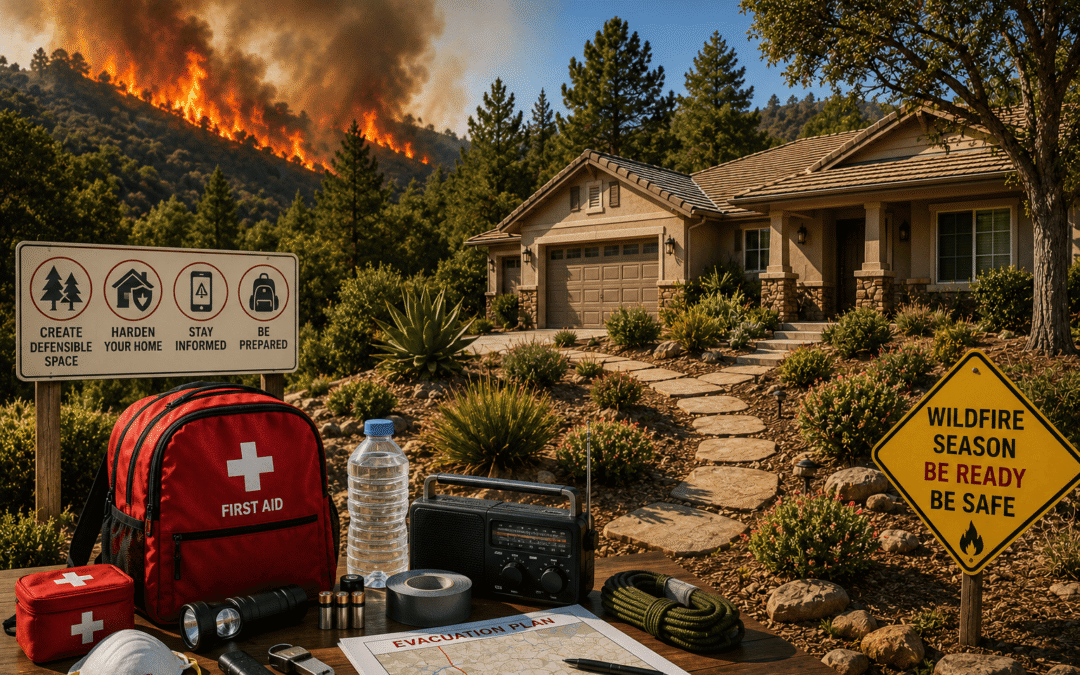
Wildfires are now a fact of life for millions of Californians. Each year, dry weather, strong winds, and higher temperatures lead to dangerous fires that put homes, businesses, and whole communities at risk. Knowing California wildfire safety tips is essential for keeping your family, property, and peace of mind safe.
No matter where you live, whether in a high-risk wildfire area or not, this guide will help you prepare for what to do before, during, and after a wildfire.
Table of Contents:
- Why Wildfire Safety Matters in California?
- Understanding California Wildfire Risks
- California Wildfire Safety Tips Every Resident Should Follow
- How to Prepare Your Home Before Wildfire Season?
- What to Include in a Wildfire Emergency Kit?
- What to Do During a Wildfire?
- Returning Home After a Wildfire
- Common Mistakes Homeowners Make
- Frequently Asked Questions
- Final Thoughts
- Contact Eaton Fire
Why Wildfire Safety Matters in California?
California is one of the most wildfire-prone states in the United States, with millions of residents living in areas at moderate to high risk of wildfires. Prolonged drought, rising temperatures, low humidity, dry vegetation, lightning strikes, and powerful Santa Ana winds create ideal conditions for fires to ignite and spread rapidly. As climate patterns continue to change, wildfire seasons have become longer and more intense, increasing the threat to homes, businesses, and communities across the state.
Wildfires can cause widespread destruction in a matter of hours, damaging or destroying thousands of structures and forcing entire neighborhoods to evacuate with little warning. Beyond the immediate danger of flames, wildfires also produce hazardous smoke that can affect air quality and pose serious health risks, especially for children, older adults, and individuals with respiratory conditions.
Learning and using California wildfire safety tips is one of the best ways to lower your risk before, during, and after a wildfire. Getting your home ready, creating defensible space, assembling an emergency kit, and having a family evacuation plan all help you respond better if a wildfire occurs. Staying up to date with emergency alerts and local news also means you’ll get important evacuation notices and safety updates on time.
Although we can’t stop every wildfire, taking steps now can help keep your loved ones safe, reduce property damage, and make recovery easier. Spending a little time on wildfire preparedness today can make a big difference when it matters most.
Understanding California Wildfire Risks
California’s diverse landscapes and climate make the state especially vulnerable to wildfires. While homes located near forests, grasslands, mountains, and wildland-urban interface (WUI) areas face the highest risk, suburban and urban communities are not immune. Wind-driven embers can travel miles ahead of an active wildfire, igniting roofs, dry vegetation, and other combustible materials far from the main fire.

Several environmental and human factors contribute to wildfire risk, including:
- Dry vegetation and accumulated brush
- Low humidity and prolonged drought
- High temperatures and heat waves
- Strong winds, such as Santa Ana and Diablo winds
- Limited rainfall and dry soil conditions
- Human-caused ignition sources, including unattended campfires, equipment sparks, discarded cigarettes, and power line failures.
Knowing about these wildfire risks is the first step to being prepared. When you understand what makes fires more likely and follow proven California wildfire safety tips, you can take action to protect your property, lower fire hazards, and get ready before wildfire season starts.
California Wildfire Safety Tips Every Resident Should Follow
1. Create Defensible Space Around Your Home
One of the most effective California wildfire safety tips is maintaining defensible space.
Defensible space is the buffer between your home and surrounding vegetation.
Experts generally recommend maintaining three zones:
Zone 0 (0–5 feet)
Keep this area free from combustible materials.
Remove:
- Dry leaves
- Firewood
- Mulch touching structures
- Patio furniture cushions during high-risk days
Zone 1 (5–30 feet)
Reduce vegetation density.
Trim shrubs.
Keep grass short.
Separate tree branches.
Zone 2 (30–100 feet)
Thin trees and brush.
Remove dead plants.
Maintain healthy landscaping.
Keeping defensible space around your home greatly lowers the chance that a wildfire will reach it.
2. Harden Your Home Against Fire
Modern fire-resistant improvements can significantly reduce wildfire damage.

Consider installing:
- Class A fire-rated roofing
- Ember-resistant vents
- Tempered glass windows
- Fire-resistant siding
- Metal gutters
- Covered attic vents
Even small improvements can help prevent embers from entering your home, which is a common way houses catch fire during wildfires.
3. Prepare an Evacuation Plan
Every family should know exactly what to do if evacuation orders are issued.
Plan:
- Multiple escape routes
- Emergency meeting location
- Transportation for pets
- Contact list
- Backup communication methods
Go over your evacuation plan with your family a few times each year.
Don’t wait until you see flames to get ready to leave.
4. Pack a Wildfire Emergency Kit
Your emergency kit should remain accessible throughout wildfire season.
Include:
- Water
- Non-perishable food
- Flashlights
- Batteries
- Portable phone chargers
- First aid supplies
- Prescription medications
- Important documents
- Cash
- N95 masks
- Extra clothing
- Hygiene products
- Pet supplies
Having your supplies ready ahead of time helps you stay calm if you need to evacuate.
5. Stay Informed
One of the simplest California wildfire safety tips is staying informed.
Sign up for:
- Local emergency alerts
- County notifications
- Weather alerts
- Fire agency updates
Monitor trusted sources regularly during fire season.
Don’t rely only on social media for information.
6. Remove Fire Hazards
Inspect your property regularly.
Remove:
- Dead branches
- Dry leaves
- Pine needles
- Overgrown vegetation
- Wood debris
- Old fencing touching structures
Regular upkeep around your property can really lower your fire risk.
7. Practice Safe Outdoor Activities
Many wildfires begin because of preventable human activities.
Avoid:
- Outdoor burning during restrictions
- Fireworks
- Parking vehicles over dry grass
- Using equipment that creates sparks during Red Flag Warnings
Taking a few simple precautions can help you avoid serious problems.
8. Protect Important Documents
Keep digital and physical copies of:
- Insurance policies
- Birth certificates
- Property deeds
- Passports
- Medical records
Keep your original documents in a fire-resistant safe if you can.
9. Review Insurance Coverage
Many homeowners discover insurance gaps only after disaster strikes.
Review your policy annually.
Confirm coverage for:
- Dwelling
- Personal belongings
- Additional living expenses
- Smoke damage
- Debris removal
Take new photos and videos of your belongings from time to time to make insurance claims easier if you ever need them.
10. Help Neighbors Prepare
Wildfire safety is a community effort.
Check on:
- Elderly neighbors
- Individuals with disabilities
- Families with young children
When neighbors prepare together, they can recover more quickly after a wildfire.
How to Prepare Your Home Before Wildfire Season?
Getting your home ready before wildfire season is one of the best ways to lower the risk of fire damage. By taking steps early, you can spot potential hazards, make your property safer, and help your family be ready in case you need to evacuate.
Complete the following tasks before wildfire season begins:

Clean Your Roof and Gutters
Remove leaves, pine needles, and other debris from your roof and gutters regularly. Dry organic material can easily ignite from wind-blown embers and spread flames to your home.
Trim Trees and Vegetation
Prune tree branches that hang over your roof or are close to windows and chimneys.
Maintain adequate spacing between trees and shrubs to help slow the spread of fire.
Inspect and Maintain Your Chimney
Have your chimney inspected and cleaned annually, and install a spark arrestor to prevent hot embers from escaping and igniting nearby vegetation.
Store Firewood Safely
Keep firewood, propane tanks, and other combustible materials at least 30 feet away from your home during wildfire season whenever possible.
Test Smoke Detectors
Check all smoke alarms throughout your home and replace batteries at least once a year.
Test each detector monthly to ensure it is functioning properly.
Check Garden Hoses and Outdoor Water Sources
Ensure garden hoses are connected and long enough to reach all sides of your home. If available, maintain outdoor water sources accessible to firefighters during an emergency.
Know Your Utility Shutoffs
Learn how to safely shut off your gas, electricity, and water if emergency officials advise you to do so. Clearly label shutoff locations so they can be accessed quickly when needed.
By taking these simple but important steps, you can protect your home, keep your family safer, and lower the risk of wildfire damage before fire season starts.
What to Include in a Wildfire Emergency Kit?
A complete emergency kit should support your family for at least 72 hours.
Recommended supplies include:
Food
- Canned meals
- Protein bars
- Dried fruit
- Crackers
Water
At least one gallon per person per day.
Medical Supplies
- First aid kit
- Prescription medication
- Glasses
- Medical devices
Communication
- Battery-powered radio
- Portable chargers
- Power banks
Clothing
- Long sleeves
- Pants
- Gloves
- Sturdy shoes
Documents
Store copies of:
- IDs
- Insurance
- Medical records
- Emergency contacts
What to Do During a Wildfire?
If a wildfire is near your area, every minute counts.
Follow these California wildfire safety tips:
- Follow evacuation orders immediately.
- Wear protective clothing.
- Close all windows and doors.
- Turn off gas only if instructed.
- Leave exterior lights on for firefighters.
- Move flammable furniture away from windows.
- Bring pets inside before evacuating.
- Drive carefully with headlights on.
- Keep vehicle fuel tanks at least half full during wildfire season.
Never ignore mandatory evacuation orders.
You can always replace property.
Lives cannot be replaced.
Returning Home After a Wildfire
Wait until officials declare your neighborhood safe.
When returning:
Inspect your home carefully.
Watch for:
- Hot spots
- Structural damage
- Fallen power lines
- Gas leaks
- Unsafe trees
- Ash hazards
Wear:
- Gloves
- Long sleeves
- Eye protection
- N95 masks
Take photos or videos of all damage before you start cleaning up.
Contact your insurance company promptly.
You may need professional fire damage restoration before your home is safe to live in again
Common Mistakes Homeowners Make
Many wildfire losses result from preventable mistakes.
Avoid these common errors:
Waiting Too Long to Evacuate
Leaving early is always safer.
Ignoring Red Flag Warnings
Extreme weather rapidly increases fire danger.
Storing Firewood Next to the House
Move combustible materials away from structures.
Forgetting Pets
Get carriers, food, medicine, and ID ready for your pets.
Failing to Update Insurance
Check your insurance policies before wildfire season starts.
Not Practicing Evacuation Plans
Families who practice their plans can respond more quickly.
Frequently Asked Questions
1. What are the most important California wildfire safety tips for homeowners?
The most important steps include creating defensible space, maintaining your roof and gutters, preparing an evacuation plan, assembling an emergency kit, hardening your home with fire-resistant materials, and staying informed through official emergency alerts. These proactive measures can significantly reduce your home’s wildfire risk.
2. How much defensible space should I have around my home?
California fire safety guidelines generally recommend maintaining up to 100 feet of defensible space around structures, where feasible and in accordance with local regulations. The area closest to the home should remain as free from combustible materials as possible, with progressively managed vegetation extending outward.
3. What should be included in a wildfire emergency kit?
A wildfire emergency kit should include water, non-perishable food, medications, first aid supplies, flashlights, batteries, phone chargers, important documents, cash, clothing, hygiene products, pet supplies, and N95 masks. Your kit should be ready to sustain your household for at least 72 hours.
4. Should I stay home and defend my property during a wildfire?
No. If local authorities issue an evacuation order, leave immediately. Attempting to stay behind can put your life and the lives of first responders at greater risk. Always prioritize personal safety over protecting property.
5. What should I do after returning home following a wildfire?
Wait until officials declare it safe to return. Inspect your property carefully for structural damage, gas leaks, electrical hazards, and lingering hot spots. Take photographs of all damage before cleanup and contact your insurance provider as soon as possible. If your property has sustained fire or smoke damage, seek professional restoration services to ensure it is safe and properly repaired.
Final Thoughts
Wildfires can happen with little warning, but being prepared makes a big difference. By following these California wildfire safety tips, you can lower the risk to your home, keep your loved ones safe, and feel more confident during emergencies.
Being ready for wildfires isn’t just about reacting when you see smoke. It’s about taking steps all year long. Keeping defensible space, making your home more fire-resistant, practicing evacuation plans, and checking your insurance all help you stay safer and bounce back faster.
Communities that prepare ahead of time are stronger, safer, and recover more easily after disasters.
Protect Your Home with Eaton Fire
Wildfires can cause serious fire, smoke, soot, and structural damage that needs expert help. If your property is affected, you need a reliable restoration team that can respond quickly and restore your home safely and efficiently.

Eaton Fire is here to help California homeowners recover after fire damage. We offer professional restoration services, caring support, and quick response times. Our experienced team understands what wildfire victims go through and works hard to restore your property and guide you through the recovery process.
Don’t wait for a disaster to happen. Save Eaton Fire’s contact information now, and contact us right away if your home or business has wildfire or fire damage. We’re here to help you rebuild, restore, and recover every step of the way. Contact Eaton Fire today for a free consultation, professional fire damage restoration you can trust.