
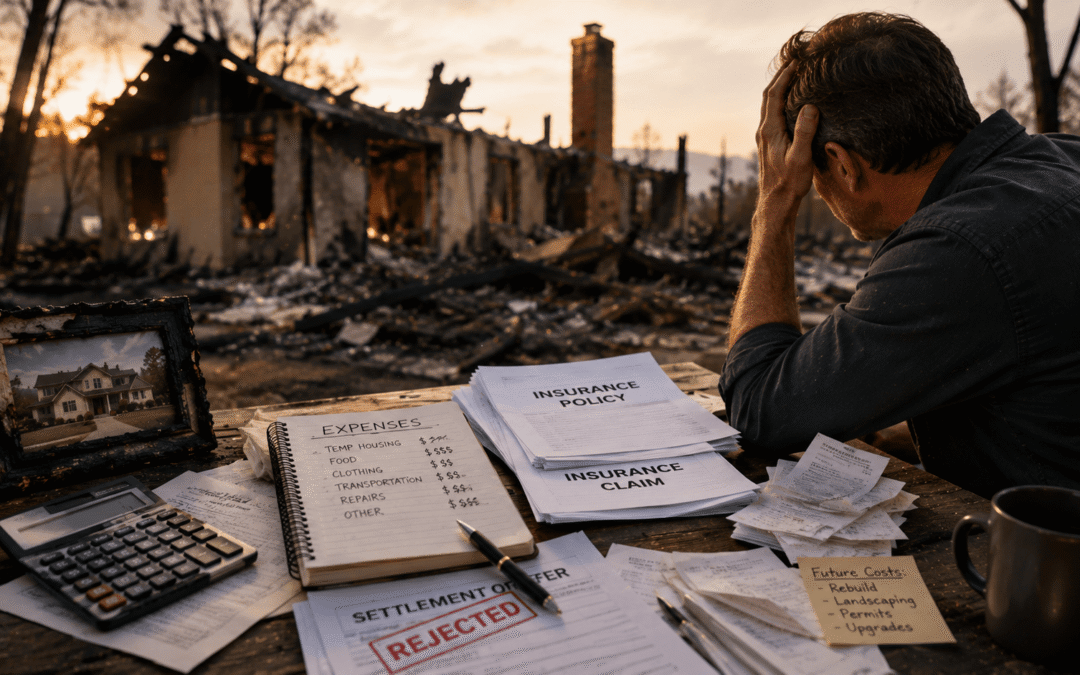
A house fire is one of the hardest things a homeowner can go through. The emotional stress is tough, and the financial challenges can feel just as heavy. From working with insurance to covering temporary housing and rebuilding, every money decision counts. Sadly, many people make mistakes without realizing it, which can slow down recovery or lower the amount they get from insurance.
Table of Contents:
- Understanding the Financial Impact of a House Fire
- Why Financial Decisions Matter After a Fire?
- Top Financial Mistakes Homeowners Make After a Fire
- How to Avoid Financial Loss After a Fire?
- Financial Recovery Tips for Homeowners
- Frequently Asked Questions
- Final Thoughts
- Let Eaton Fire Help You Recover with Confidences
Understanding the Financial Impact of a House Fire
A house fire can damage much more than just your walls, furniture, and belongings. It can also leave you with thousands or even hundreds of thousands of dollars in unexpected costs.
Some of the most common costs include:
- Emergency board-up services
- Fire damage restoration
- Smoke and soot cleanup
- Water damage from firefighting efforts
- Temporary housing
- Furniture replacement
- Structural repairs
- Electrical and plumbing repairs
- Lost valuables
- Increased living expenses
These costs add up fast. Without careful planning, you might make choices that lower your insurance payout or increase what you have to pay out of pocket.
Understanding the financial mistakes homeowners make after a fire is the first step toward protecting your finances and recovering more effectively.
Why Financial Decisions Matter After a Fire?
In the first days after a fire, it’s normal to feel stressed and overwhelmed. But insurance claims and money decisions still need to be made right away.
Every decision, from what you throw away to which contractor you hire, can affect:
- Insurance reimbursement

- Restoration costs
- Recovery timeline
- Future property value
- Personal finances
Smart choices can save you thousands of dollars and help your family get back home faster.
Top Financial Mistakes Homeowners Make After a Fire
Mistake #1: Waiting Too Long to Contact Your Insurance Company
One of the biggest financial mistakes after a fire is waiting too long to file your insurance claim.
Many people think they should wait to call their insurance company until they know the full extent of the damage. This is not the right approach. Insurance companies typically require prompt notification after a loss.
Reporting the fire immediately allows your insurer to:
- Open your claim
- Assign an adjuster
- Authorize emergency services
- Explain your coverage
- Begin processing payments
If you wait too long, your claim could be delayed, or there could be disagreements about how much was damaged.
Best Practice
Contact your insurance company as soon as it’s safe.
Mistake #2: Failing to Document Every Bit of Damage
Some fire damage is obvious. Other damage is hidden. Smoke can penetrate insulation. Water can damage flooring. Heat can weaken structural components. If you don’t document all the damage, your insurance might not cover those losses later.
Take photos of:
- Every room
- Burn damage
- Smoke stains
- Water damage
- Damaged appliances
- Electronics
- Clothing
- Furniture
- Personal belongings
Taking videos can also be helpful as proof.
Create a detailed inventory including:
- Purchase dates
- Estimated values
- Brand names
- Model numbers
The more proof you have, the stronger your insurance claim will be.
Mistake #3: Throwing Away Damaged Property Too Soon
Many homeowners immediately begin cleaning after a fire. Unfortunately, disposing of damaged belongings before they’re inspected can reduce your insurance reimbursement.
Insurance adjusters may need to examine:
- Appliances
- Furniture
- Electronics
- Clothing
- Building materials
If things are gone before inspection, it’s much harder to prove what you lost.
Only get rid of damaged items after your insurance company or adjuster says it’s okay.
Mistake #4: Accepting the First Insurance Settlement Offer
You can often negotiate your insurance settlement.
Many people take the first offer because they need money fast.
However, initial offers may not account for:
- Hidden structural damage
- Smoke contamination
- Future repairs
- Code upgrades
- Additional living expenses
Before accepting any settlement:
- Review the estimate carefully.
- Compare it with independent contractor estimates.
- Ask questions if anything appears missing.
- Consider consulting a public adjuster or legal professional if significant disputes arise.
Taking time to review the offer can help you avoid losing money later.
Mistake #5: Underestimating Additional Living Expenses (ALE)
If your home becomes uninhabitable, your insurance policy may include Additional Living Expenses (ALE) coverage.
ALE can help pay for:
- Hotel stays
- Rental homes
- Restaurant meals
- Laundry services
- Pet boarding
- Transportation
- Storage fees
Some people forget to keep receipts and miss out on getting reimbursed.
Keep all your receipts and records for any expenses while you’re away from home.
Mistake #6: Not Understanding Insurance Coverage
Many people realize after a fire that they didn’t fully understand their insurance policy.
Common areas of confusion include:
Replacement Cost vs. Actual Cash Value
Replacement cost covers the expense of replacing damaged items with new ones of similar quality.

Actual cash value generally factors in depreciation, resulting in lower payouts.
Policy Limits
Every policy has limits for:
- Dwelling coverage
- Personal property
- Detached structures
- Additional living expenses
Exclusions
Not every loss is automatically covered.
Knowing your policy can help you avoid surprise costs during your claim.
Mistake #7: Hiring the First Contractor Without Research
After a major fire, homeowners are often approached by contractors promising immediate repairs.
While some are reputable, others may:
- Overcharge
- Perform poor-quality work
- Request large upfront payments.
- Disappear before completing the project.
Before hiring a contractor:
- Verify licensing.
- Check insurance coverage.
- Read customer reviews.
- Ask for references.
- Obtain written estimates.
- Review the contract carefully.
Picking the right restoration company helps protect your home and your wallet.
Mistake #8: Ignoring Hidden Fire and Smoke Damage
Visible flames are only part of the problem.
Smoke and soot can continue damaging a property long after the fire is extinguished.
Hidden issues may include:
- Corrosion of electronics
- HVAC contamination
- Lingering odors
- Mold growth from water exposure
- Structural weakening
If you ignore these issues, repairs can end up costing much more later.
A professional inspection can find damage you might not see right away.
Mistake #9: Delaying Fire Damage Restoration
Some homeowners postpone restoration while waiting for insurance decisions.
Unfortunately, delays often increase repair costs.
Secondary damage may include:
- Mold growth
- Wood rot
- Rust
- Permanent smoke staining
- Odor penetration
- Pest infestations
Emergency mitigation services can help stabilize the property and prevent additional losses.
The faster you start repairs, the less you’ll likely pay in the long run.
Mistake #10: Not Keeping Financial Records
One of the easiest mistakes to make after a fire is not keeping your records organized.
Keep copies of:
- Insurance correspondence
- Claim numbers
- Repair estimates
- Contractor invoices
- Hotel receipts
- Rental agreements
- Replacement purchases
- Utility bills
- Bank statements related to recovery expenses
Organized documentation can speed up claim processing and make reimbursement much easier.
How to Avoid Financial Loss After a Fire?
Getting back on your feet financially takes planning, staying organized, and patience.
Here are some practical steps you can take to protect yourself:
Report the Fire Immediately
Notify your insurance company as soon as possible after the incident.
Secure the Property
Stop more damage by boarding up broken windows, covering open roofs, and keeping people out who shouldn’t be there.
Document Everything
Take lots of photos and videos before you start cleaning up.
Save Every Receipt
Keep track of every expense for temporary housing, meals, repairs, and anything you need to replace.
Get Multiple Estimates
Getting quotes from several good contractors helps you get fair prices and accurate repair costs.
Read Your Insurance Policy
Make sure you know what your policy covers, what isn’t covered, and what paperwork you’ll need.
Communicate in Writing
Try to keep written notes of any talks you have with insurance reps and contractors.
Financial Recovery Tips for Homeowners
Financial recovery keeps going even after the fire is out. Long-term planning is just as important.
Create a Recovery Budget
List expected expenses such as:

- Home repairs
- Replacement furniture
- Temporary housing
- Insurance deductibles
- Utility costs
- Transportation
- Storage fees
A realistic budget can help you avoid overspending while you rebuild.
Prioritize Essential Expenses
Focus on immediate needs first, including:
- Safe housing
- Food
- Clothing
- Medications
- Childcare
- Transportation
Wait to buy things you don’t need right away until your insurance claim is moving forward.
Monitor Insurance Payments
Check each payment to make sure it matches what your claim was approved for.
If something doesn’t look right, reach out to your adjuster quickly to get it cleared up.
Protect Against Fraud
Sadly, disasters sometimes bring out scammers.
Be cautious of anyone who:
- Demands immediate payment
- Pressures you into signing contracts
- Offers unrealistically low prices
- Requests large cash deposits
- Refuses to provide licensing or insurance information
Always check credentials before you agree to any services.
Consider Future Insurance Needs
Once you’ve rebuilt, look over your homeowners insurance policy to make sure your coverage matches what it would cost to replace your home now.
Updating your policy can give you better financial protection in the future.
Frequently Asked Questions
1. What are the biggest financial mistakes homeowners make after a fire?
The most common financial mistakes homeowners make after a fire include delaying insurance claims, failing to document damage, discarding damaged belongings too early, accepting the first settlement offer without review, and hiring unverified contractors. These errors can reduce insurance payouts and increase out-of-pocket expenses.
2. Should I keep receipts after a house fire?
Yes. Save receipts for hotels, meals, transportation, storage, clothing, and emergency purchases. These records may be required to receive reimbursement under your policy’s Additional Living Expenses (ALE) coverage.
3. Is it okay to start cleaning before the insurance adjuster arrives?
Only perform emergency actions necessary to prevent further damage. Avoid extensive cleanup or disposing of damaged property until your insurer or adjuster has documented the loss, unless they instruct you otherwise.
4. How can homeowners reduce financial losses after a fire?
Homeowners can reduce financial losses by reporting the fire promptly, documenting all damage, keeping organized records, understanding their insurance policy, obtaining multiple repair estimates, and working with qualified restoration professionals.
5. Why is professional fire damage restoration important?
Professional restoration addresses hidden smoke, soot, water, and structural damage that may not be immediately visible. Timely restoration helps prevent additional deterioration, supports the insurance claims process, and can reduce long-term repair costs.
Final Thoughts
Recovering from a house fire is tough, but avoiding common money mistakes can make things easier. Knowing what to watch out for helps you make smart choices, get the most from your insurance, and cut down on extra costs.
From documenting damage and preserving evidence to carefully reviewing settlement offers and choosing trustworthy restoration professionals, every step you take can have a lasting impact on your financial recovery. Acting promptly, staying organized, and seeking expert guidance when needed will help you rebuild with greater confidence and peace of mind.
Let Eaton Fire Help You Recover with Confidence
The aftermath of a fire can be overwhelming, but you don’t have to face it alone. Eaton Fire is committed to helping homeowners recover quickly with professional fire damage restoration services, experienced guidance, and compassionate support throughout the restoration process.
Whether you need emergency board-up services, smoke and soot cleanup, water damage mitigation, or complete property restoration, our team is ready to help restore your home and your peace of mind.

Contact Eaton Fire today for a free consultation for fast, reliable fire damage restoration and let our experts help you avoid costly financial mistakes while getting your home and your life back on track.