
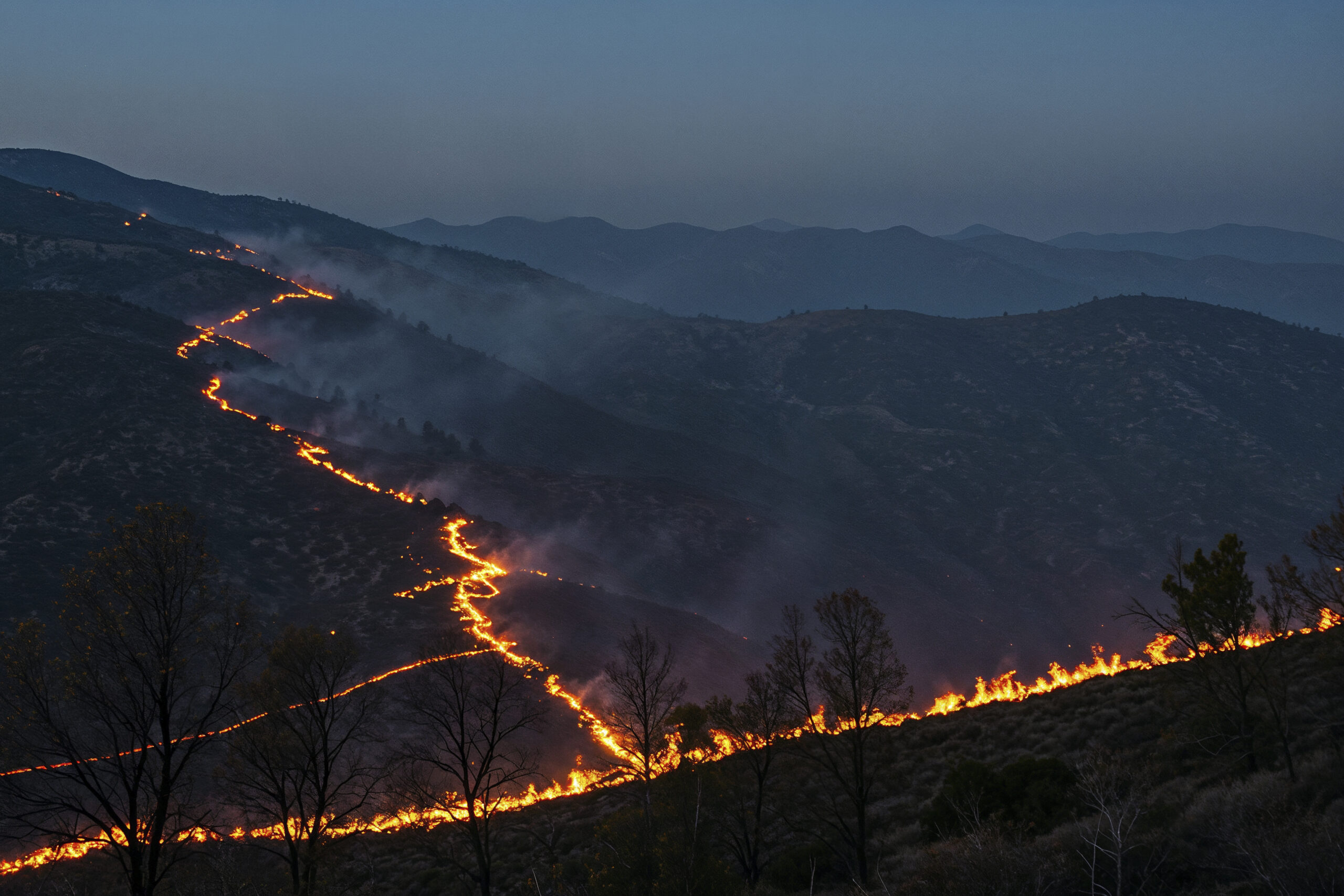
Wildfires have become increasingly destructive across the United States, particularly in California, where dry vegetation, high winds, and prolonged drought create ideal conditions for fast-moving fires. While lightning and human error often receive the most attention, another significant cause of catastrophic fires is utility infrastructure. Downed power lines, faulty electrical equipment, and poor vegetation management have contributed to some of the most devastating fires in recent history.
Understanding utility-caused wildfires is essential for homeowners, renters, business owners, and anyone affected by these disasters. When utility companies fail to properly maintain their electrical systems or ignore known safety risks, they may be held legally responsible for the resulting damages.
Table of Contents:
- What Are Utility-Caused Wildfires?
- How Do Utility Companies Cause Wildfires?
- Why California Faces So Many Utility-Caused Wildfires?
- Who Can Be Held Responsible?
- Understanding Utility Company Negligence
- Strict Liability vs. Negligence
- What Compensation Can Victims Recover?
- Insurance Claims vs. Legal Claims
- Evidence Used in Utility Wildfire Cases
- Major Utility-Caused Wildfires in California
- What Victims Should Do After a Utility-Caused Wildfire?
- How Wildfire Settlement Claims Work?
- Frequently Asked Questions About Utility-Caused Wildfires
- Final Thoughts
- Contact Eaton Fire Today
What Are Utility-Caused Wildfires?
Utility-caused wildfires are those that ignite due to failures or malfunctions in electrical utility infrastructure, such as power lines, transformers, utility poles, or other components of the electric transmission and distribution system. Unlike wildfires caused by natural events like lightning, these fires are often preventable and may occur when utility companies fail to properly inspect, maintain, repair, or operate their equipment safely.
Electrical systems carry high-voltage electricity across thousands of miles, often through forests, grasslands, and residential communities. When this equipment is damaged, deteriorates with age, or is exposed to extreme weather without adequate maintenance, it can produce sparks or electrical arcs that can ignite dry vegetation within seconds.
During periods of drought, high temperatures, and strong winds, even a small ignition source can quickly grow into a fast-moving wildfire that threatens lives, homes, businesses, and entire communities.
Common causes of utility-caused wildfires include:
- Fallen or sagging power lines
- Broken or deteriorated utility poles
- Faulty transformers or electrical equipment
- Equipment failures caused by inadequate maintenance
- Electrical arcing from damaged conductors
- Tree branches or vegetation contacting energized power lines.
- Defective insulators, connectors, or other utility hardware
Many utility-caused wildfires are linked to preventable issues rather than unavoidable accidents. For example, failing to replace aging infrastructure, delaying necessary repairs, ignoring inspection reports, or neglecting vegetation management can significantly increase the likelihood of a fire. Utility companies are generally expected to maintain their electrical systems in a safe condition and comply with state and federal safety regulations designed to reduce wildfire risks.
The consequences of these fires can be devastating. Utility-caused wildfires often destroy homes, businesses, vehicles, agricultural property, and critical infrastructure while forcing large-scale evacuations. Victims may also suffer personal injuries, emotional trauma, lost income, and long-term financial hardship. Because of these widespread impacts, investigations are typically conducted to determine whether utility equipment contributed to the fire and whether the utility company or another responsible party can be held legally liable for the resulting damages.
Understanding what utility-caused wildfires are and how they occur is the first step in determining whether affected individuals may have the right to pursue compensation through insurance claims or legal action against those responsible.
How Do Utility Companies Cause Wildfires?
Electrical infrastructure stretches across thousands of miles, often through forests, mountains, and rural communities. Every component requires routine inspection and maintenance.
Common causes include:
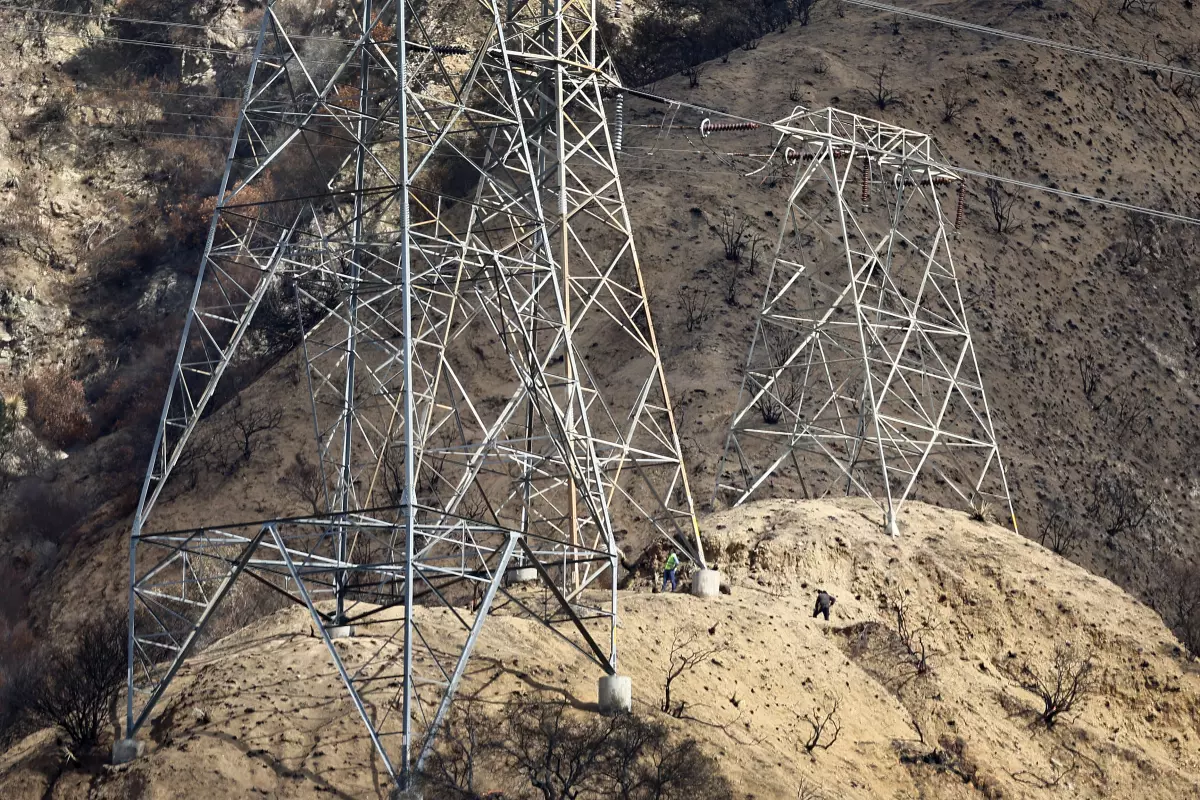
Downed Power Lines
Power lines can fall because of:
- Aging infrastructure
- Windstorms
- Broken poles
- Corroded hardware
- Vehicle collisions
Live electrical wires touching dry grass can ignite fires almost instantly.
Tree Contact
Utilities are responsible for maintaining safe clearance between vegetation and electrical equipment.
If tree branches touch energized power lines, electrical arcing may occur, producing temperatures hot enough to ignite nearby vegetation.
Equipment Failure
Old or defective equipment may fail unexpectedly.
Examples include:
- Transformers
- Connectors
- Insulators
- Crossarms
- Switches
Even a small spark may ignite brush during dry conditions.
Lack of Maintenance
Many wildfire investigations reveal deferred maintenance.
Common issues include:
- Rusted equipment
- Broken hardware
- Aging conductors
- Damaged insulators
- Unrepaired defects
Ignoring these hazards dramatically increases wildfire risk.
Failure to Shut Off Power
Modern utilities can implement Public Safety Power Shutoffs (PSPS) during dangerous weather.
If a utility keeps energized lines active despite extreme wildfire conditions, it may face allegations of negligence.
Why California Faces So Many Utility-Caused Wildfires?
California experiences more utility-caused wildfires than most states because of its combination of environmental conditions, extensive electrical infrastructure, and growing population in wildfire-prone areas. Millions of acres of dry vegetation, prolonged drought, and seasonal wind events create an environment where even a small spark from utility equipment can quickly escalate into a large, destructive wildfire.
Several factors contribute to California’s heightened wildfire risk, including:
- Extended drought: Long periods of below-average rainfall dry out vegetation, making it highly combustible.
- Dry vegetation: Dead grass, shrubs, and trees provide abundant fuel that allows fires to spread quickly.
- High temperatures: Extreme heat further reduces vegetation moisture and increases the likelihood of ignition.
- Mountainous, rugged terrain: Electrical transmission lines often cross remote forests and steep hillsides, making inspections, maintenance, and firefighting efforts challenging.
- Santa Ana and Diablo winds: These powerful seasonal winds can knock down power lines, cause electrical equipment to fail, and rapidly spread flames over long distances.
- Expanding residential development: More homes and businesses are being built in the wildland-urban interface, where communities are located near forests and grasslands, increasing both wildfire exposure and potential losses.
California also operates one of the nation’s largest electrical transmission and distribution networks, much of which passes through areas designated as high fire-risk zones. As infrastructure ages, the likelihood of equipment failures increases when utilities fail to perform regular inspections, maintenance, vegetation management, and necessary upgrades.
When aging utility equipment is combined with drought, strong winds, and highly combustible vegetation, the result can be catastrophic. A single downed power line, equipment malfunction, or electrical arc may ignite a wildfire that spreads rapidly, destroying homes, businesses, and natural resources while forcing thousands of residents to evacuate.
These conditions are why California continues to experience some of the country’s most significant utility-caused wildfires and why utility companies are subject to strict safety regulations aimed at reducing wildfire risks.
Who Can Be Held Responsible for Utility-Caused Wildfires?
Determining liability for utility-caused wildfires requires a thorough investigation into how the fire started and whether any party failed to meet its legal duty to prevent foreseeable risks. Depending on the circumstances, one or more individuals, companies, or public entities may be held financially responsible for the damages caused by a wildfire.
Electric Utility Companies
Electric utility companies are often the primary focus of wildfire investigations because they own, operate, and maintain the electrical infrastructure that delivers power to homes and businesses. Utilities have a legal responsibility to inspect, repair, and maintain their equipment in a safe condition, in compliance with applicable state and federal safety regulations.
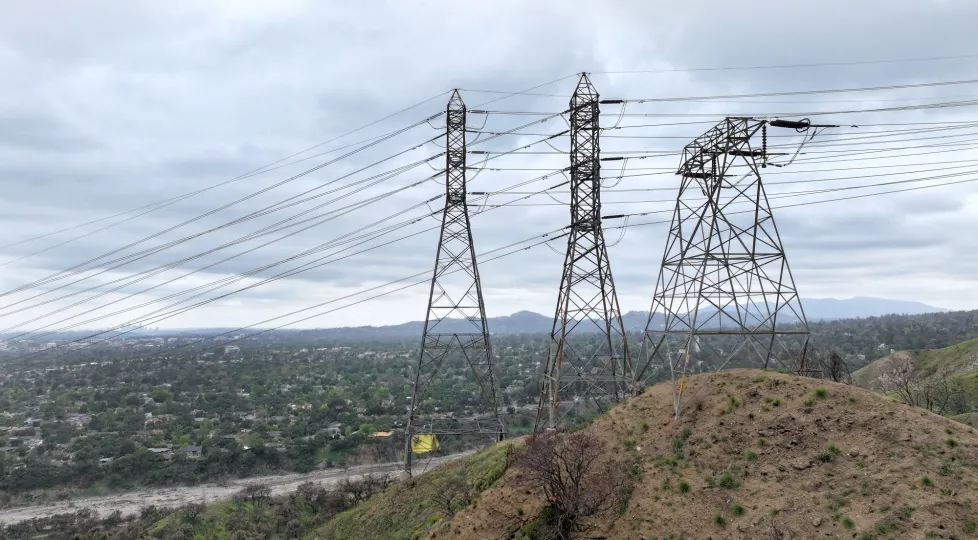
A utility company may be held liable if it failed to:
- Conduct regular inspections of electrical equipment.
- Repair damaged or deteriorating power lines, poles, or transformers.
- Properly trim or remove vegetation near energized power lines.
- Replace aging or defective infrastructure.
- Respond to known equipment hazards or maintenance issues.
- Follow wildfire prevention protocols and safety regulations.
- De-energize power lines during extreme fire weather when appropriate
If these failures contribute to a wildfire, the utility company may be responsible for compensating victims for their losses.
Contractors
Utility companies frequently hire third-party contractors to perform inspections, equipment repairs, vegetation management, and infrastructure upgrades. If a contractor performs work negligently, such as failing to identify hazardous conditions, improperly repairing electrical equipment, or inadequately clearing vegetation, they may share legal responsibility for the wildfire alongside the utility company.
Equipment Manufacturers
In some cases, a wildfire may result from defective electrical components rather than poor maintenance. Faulty transformers, insulators, connectors, switches, or other electrical equipment may malfunction due to design defects or manufacturing errors. When defective products contribute to a wildfire, the manufacturer, distributor, or supplier may be liable under product liability laws.
Government Agencies
Some electrical systems are owned and operated by municipal utilities or other public agencies instead of private utility companies. If a government entity failed to properly maintain its infrastructure or otherwise contributed to the wildfire, it may also be held responsible. However, claims against public agencies often involve unique procedural requirements, notice requirements, and filing deadlines that differ from those in lawsuits against private companies.
Because utility-caused wildfires often involve multiple contributing factors, investigators may determine that more than one party shares responsibility. Identifying all potentially liable parties is an important step in helping wildfire victims pursue the full compensation they may be entitled to recover for property damage, personal injuries, lost income, and other losses.
Understanding Utility Company Negligence
Utility companies have a legal duty to operate and maintain their electrical systems safely to reduce wildfire risk. Negligence occurs when a utility company fails to exercise reasonable care in inspecting, maintaining, repairing, or operating its equipment, and that failure contributes to the ignition or spread of a wildfire. If a utility’s actions or inaction fall below the accepted standard of care, it may be held legally responsible for the damages suffered by wildfire victims.
A utility company may be considered negligent if it:
- Ignored inspection reports identifying hazardous equipment
- Delayed or failed to repair damaged power lines, poles, transformers, or other electrical infrastructure
- Violated state or federal safety regulations governing utility operations
- Failed to replace aging, defective, or deteriorating equipment
- Ignored weather forecasts warning of high fire-risk conditions
- Neglected vegetation management by failing to trim trees and brush near energized power lines
- Failed to de-energize electrical lines during extreme wildfire weather when appropriate
- Did not implement adequate wildfire prevention and maintenance programs
To determine whether negligence occurred, investigators conduct a comprehensive review of the utility company’s operations before the wildfire. This investigation may include examining maintenance records, inspection reports, repair histories, equipment failure analyses, weather data, vegetation management records, internal communications, and witness testimony. Fire investigators, engineers, and other experts work together to determine whether the utility company knew or should have known about hazardous conditions and whether reasonable preventive measures could have avoided the fire.
If evidence establishes that a utility company’s negligence caused or contributed to the wildfire, affected homeowners, businesses, and other victims may have the right to pursue compensation for property damage, personal injuries, lost income, emotional distress, and other wildfire-related losses.
Strict Liability vs. Negligence
California law sometimes allows wildfire victims to recover compensation even without proving traditional negligence.
Negligence
Victims generally must prove:
- Duty of care
- Breach of duty
- Causation
- Damages
Inverse Condemnation
California also recognizes inverse condemnation in certain utility wildfire cases.
Under this legal doctrine, utilities may be financially liable for property damage caused by their infrastructure, even if negligence is disputed.
Because these claims involve complex legal issues, experienced wildfire attorneys play a crucial role.
What Compensation Can Victims Recover?
Victims of utility-caused wildfires may recover compensation for many different losses.
Property Damage
Including:
- Homes
- Garages
- Apartments
- Businesses
- Vehicles
- Landscaping
- Fencing
Personal Property
Losses may include:
- Furniture
- Electronics
- Clothing
- Family heirlooms
- Artwork
- Jewelry
Temporary Housing
Evacuations often force families into:
- Hotels
- Rental homes
- Temporary apartments
These expenses may be recoverable.
Lost Income
Business interruptions may result in:

- Lost wages
- Business closures
- Lost contracts
- Reduced operations
Medical Expenses
Compensation may include treatment for:
- Burns
- Smoke inhalation
- Respiratory injuries
- Emotional trauma
Emotional Distress
Wildfires often cause lasting psychological harm.
Victims may experience:
- Anxiety
- Depression
- PTSD
- Sleep disorders
- Emotional suffering
Wrongful Death
Families who lose loved ones may pursue wrongful death claims seeking compensation for financial and emotional losses.
Insurance Claims vs. Legal Claims
Insurance provides important financial assistance, but it may not fully compensate victims.
Insurance may cover:
- Dwelling damage
- Personal belongings
- Temporary housing
However, policies often contain:
- Coverage limits
- Exclusions
- Deductibles
Legal claims may provide additional compensation beyond insurance benefits.
Receiving insurance proceeds does not always prevent victims from pursuing claims against responsible utility companies.
Evidence Used in Utility Wildfire Cases
Successful claims rely on substantial evidence.
Common evidence includes:
- Fire investigation reports
- Utility maintenance records
- Inspection logs
- Electrical equipment analysis
- Satellite imagery
- Drone footage
- Utility communications
- Witness testimony
- Expert engineering opinions
- Weather reports
Attorneys frequently collaborate with fire investigators, electrical engineers, and forensic experts.
Major Utility-Caused Wildfires in California
Several catastrophic California wildfires have involved allegations against utility companies.
Examples include:
- Camp Fire
- Dixie Fire
- Kincade Fire
- Zogg Fire
- Thomas Fire
- Woolsey Fire
These cases resulted in billions of dollars in settlements, bankruptcy proceedings, and increased scrutiny of utility safety practices.
What Victims Should Do After a Utility-Caused Wildfire?
Taking prompt action can strengthen a future legal claim.
Document Damage
Photograph:
- Buildings
- Vehicles
- Personal property
- Landscaping
- Smoke damage
Save Receipts
Keep records for:
- Hotel expenses
- Meals
- Clothing
- Emergency purchases
- Repair costs
Contact Your Insurance Company
File your claim promptly while keeping copies of all communications.
Avoid Throwing Away Evidence
Damaged items may help establish losses.
Dispose of them only after documenting and discussing them with your insurer or attorney.
Consult a Wildfire Attorney
Legal professionals can determine whether utility negligence contributed to the fire and explain available compensation options.
How Wildfire Settlement Claims Work?
Many wildfire cases are resolved through negotiated settlements rather than lengthy trials.
The process generally includes:
- Investigation
- Evidence collection
- Damage assessment
- Filing claims
- Negotiation
- Settlement or litigation
Settlement negotiations often allow victims to receive compensation sooner than waiting for a court verdict.
Frequently Asked Questions About Utility-Caused Wildfires
1. What are utility-caused wildfires?
Utility-caused wildfires are fires that start due to failures in electrical utility equipment, such as downed power lines, faulty transformers, electrical arcing, or inadequate vegetation management. When utility infrastructure ignites dry vegetation, the resulting fires can spread rapidly and cause extensive damage.
2. Can a utility company be held responsible for wildfire damage?
Yes. If an investigation shows that a utility company’s negligence, poor maintenance, defective equipment, or failure to follow safety regulations contributed to a wildfire, the company may be legally responsible for the resulting damages. In some California cases, legal doctrines such as inverse condemnation may also apply.
3. What damages can wildfire victims recover?
Depending on the circumstances, victims may seek compensation for property damage, personal belongings, temporary housing, medical expenses, lost income, emotional distress, business losses, and, in tragic cases, wrongful death damages.
4. Do I still have a claim if my insurance already paid me?
Possibly. Insurance benefits may cover only part of your losses. If a utility company was responsible for the wildfire, you may still be entitled to pursue additional compensation through a legal claim for damages not fully covered by your insurance policy.
5. How can I prove a wildfire was caused by utility equipment?
Wildfire investigations often involve evidence such as official fire reports, utility maintenance records, inspection logs, engineering analyses, weather data, witness statements, photographs, and expert testimony. An experienced wildfire attorney can help gather and evaluate this evidence.
Final Thoughts
The growing number of utility-caused wildfires demonstrates the devastating consequences that can occur when electrical infrastructure is not properly maintained. While wildfires cannot always be prevented, many utility-related fires are avoidable with responsible inspections, timely repairs, vegetation management, and adherence to safety standards.
For victims, the aftermath can be overwhelming. Rebuilding homes, replacing cherished belongings, managing medical expenses, and coping with emotional trauma often place enormous financial and personal strain on families. Understanding your legal rights is an important step toward securing the resources needed to recover.
If a utility company’s actions or failures contributed to the wildfire that affected you, you may have legal options beyond your insurance claim. Speaking with knowledgeable professionals can help you understand whether you are eligible to pursue compensation and what evidence may support your case.
Contact Eaton Fire Today
If you or your family has been affected by a utility-caused wildfire, you don’t have to face the recovery process alone. At Eaton Fire, we are committed to helping wildfire victims understand their legal rights and pursue the compensation they deserve.

Our experienced team can evaluate your situation, explain your legal options, and guide you through every step of the claims process. Whether you’ve suffered property damage, financial losses, personal injuries, or the heartbreaking loss of a loved one, we’re here to help you move forward.
Contact Eaton Fire today for a free consultation. Let us fight for the compensation you deserve while you focus on rebuilding your life after a devastating wildfire.