

Natural disasters such as wildfires, earthquakes, and floods can occur at any time. When time is short, having a ready-to-go emergency bag can help protect you and your family. With a well-packed go-bag, you will have the supplies you need to stay safe during emergencies or evacuations.
At Eaton Fire, we know how hard emergencies can be if you are not ready. Building a reliable emergency kit is one of the best ways to protect your family.
Table of Contents:
- What Are Emergency Go-Bag Essentials?
- Why Every Household Needs an Emergency Go-Bag?
- How to Build the Perfect Emergency Go-Bag?
- Food and Water Essentials
- Important Documents You Should Never Forget
- Emergency Clothing and Personal Items
- First Aid and Medical Supplies
- Technology and Communication Tools
- Emergency Supplies for Children, Seniors, and Pets
- Wildfire-Specific Emergency Go-Bag Essentials
- Common Mistakes People Make When Packing a Go-Bag
- How Often Should You Update Your Emergency Kit?
- 5 Frequently Asked Questions About Emergency Go-Bag Essentials
- Additional Emergency Preparedness Tips
- Why Emergency Preparedness Matters More Than Ever?
- Final Thoughts
- Contact Eaton Fire Today
What Are Emergency Go-Bag Essentials?
Emergency go-bag essentials are important supplies you keep in a bag you can grab quickly if you need to leave your home. These items help you get by for at least 72 hours if you cannot easily get food, water, shelter, or medical help.
A properly prepared emergency go-bag should contain:
- Clean drinking water
- Non-perishable food
- First aid supplies
- Flashlights and batteries
- Important documents
- Hygiene items
- Emergency clothing
- Communication tools
- Prescription medications
Your go-bag should be easy to carry and simple to find. This way, you can leave quickly without losing time looking for what you need.

Why Every Household Needs an Emergency Go-Bag?
Emergencies often happen when you least expect them. Wildfires can move fast, earthquakes come without warning, and storms may force you to leave with little notice. Having your go-bag ready ahead of time helps you stay calm and act quickly.
Emergencies Are Becoming More Common
Emergencies are occurring more frequently due to climate change and severe weather.
Wildfires have especially damaged communities and forced many families to leave their homes.
If you do not have a go-bag ready, it can be hard to get the basics you need during an evacuation.
Evacuations Happen Fast
Many people do not realize how quickly they might have to leave their homes. In wildfires, evacuation warnings can turn into orders very fast.
Having your emergency supplies packed ahead of time helps you avoid panic and confusion.
Preparedness Reduces Stress
Being prepared can lower stress during tough times. When you know your family has food, medicine, and important papers, you can feel more at ease.
How to Build the Perfect Emergency Go-Bag?
Making an emergency go-bag is simple. Just focus on the basic items you need for health, safety, and staying in touch.
Choose a strong backpack or a light duffel bag that you can carry easily if you need to leave quickly.
Choose the Right Bag
Your emergency bag should be:
- Waterproof or water-resistant
- Lightweight
- Durable
- Comfortable to carry
- Large enough for essential supplies
It is a good idea for each family member to have their own bag.
Think About 72-Hour Survival.
Experts say you should pack enough supplies to last at least three days on your own.
This includes:
- Food
- Water
- Clothing
- Shelter items
- Medications
- Emergency tools
Food and Water Essentials
Food and water are some of the most important things to pack. Going without them can quickly become dangerous in an emergency.
Water Supply Recommendations
Each person needs at least one gallon of water per day for drinking and basic cleaning.
Consider packing:
- Bottled water
- Water purification tablets
- Portable water filters
- Collapsible water containers
Best Non-Perishable Foods
Pack foods that:
- Require no refrigeration
- Have long shelf lives.
- They are easy to carry
- Provide high energy
Good options include:
- Protein bars
- Trail mix
- Canned goods
- Peanut butter
- Dried fruit
- Crackers
- Instant oatmeal
Remember to pack a manual can opener if you include canned food.
Important Documents You Should Never Forget
If you lose important paperwork during an emergency, it can make things much harder when you need insurance, housing help, or an ID.
Critical Documents to Include
Store copies in waterproof bags or folders.
Important documents include:
- Driver’s licenses
- Passports
- Birth certificates
- Insurance policies
- Medical records
- Emergency contacts
- Property deeds
- Bank account information
- Pet vaccination records
It also helps to keep digital copies of your documents on a secure USB drive.
Emergency Clothing and Personal Items
Comfort and protection matter during evacuations. Pack clothing suitable for changing weather conditions and emergency situations.
Recommended Clothing Items
Include:
- Extra underwear and socks
- Durable shoes
- Long-sleeve shirts
- Pants
- Jacket or rain gear
- Hat and gloves
- Blanket or sleeping bag
During wildfire evacuations, you might face smoke, ash, and changing temperatures, so protective clothing is especially important.
Personal Hygiene Essentials
Pack travel-size hygiene supplies such as:
- Toothbrush and toothpaste
- Soap
- Wet wipes
- Hand sanitizer
- Feminine hygiene products
- Toilet paper
- Tissues
Staying clean helps prevent sickness and makes you feel better during long emergencies.
First Aid and Medical Supplies
Medical preparedness can save lives during emergencies when hospitals and pharmacies may not be immediately accessible.
Basic First Aid Supplies

Your first aid kit should contain:
- Bandages
- Gauze pads
- Adhesive tape
- Antiseptic wipes
- Pain relievers
- Tweezers
- Scissors
- Medical gloves
- Burn cream
Prescription Medications
Always pack:
- At least seven days of medications
- Copies of prescriptions
- Backup eyeglasses
- Medical devices and batteries
People with chronic conditions should carefully tailor their emergency go-bag essentials to their medical needs.
Technology and Communication Tools
Staying in touch is very important during disasters. Power outages or network outages can make it hard to access information.
Must-Have Emergency Electronics
Pack:
- Portable phone chargers
- Power banks
- Flashlights
- Extra batteries
- Battery-powered radio
- Solar chargers
Stay Informed During Emergencies
Emergency radios let you get updates and weather alerts even if the internet or cell service is down.
Consider NOAA weather radios for reliable emergency broadcasts.
Emergency Supplies for Children, Seniors, and Pets
Every family is different. Make sure your go-bag has what each person and pet in your home needs.
Supplies for Children
Pack comfort and care items such as:
- Baby formula
- Diapers
- Wipes
- Snacks
- Small toys
- Blankets
Bringing familiar items can help kids feel less anxious during stressful times.
Supplies for Seniors
Older adults may need:
- Mobility aids
- Medical supplies
- Hearing aid batteries
- Extra medications
- Contact information for caregivers
Pet Emergency Essentials
Remember to include your pets in your evacuation plans.
Pack:
- Pet food
- Water bowls
- Leashes
- Carriers
- Vaccination records
- Waste bags
Many evacuation shelters require proof of vaccinations.
Wildfire-Specific Emergency Go-Bag Essentials
At Eaton Fire, we understand that wildfires can move fast and destroy homes in just a few hours. If you live in a wildfire area, you should pack extra safety items.
Respiratory Protection
Smoke inhalation poses serious health risks.
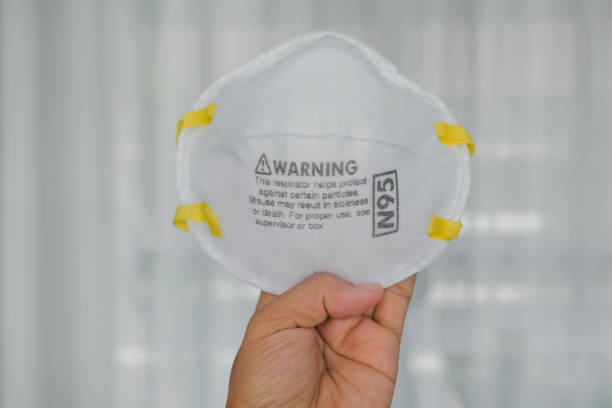
Pack:
- N95 masks
- Protective goggles
- Air-tight storage bags
Fire Safety Items
Include:
- Fire-resistant gloves
- Emergency blankets
- Flashlights
- Multi-tools
Evacuation Maps and Routes
Plan multiple evacuation routes in advance because roads may become blocked during wildfire emergencies.
Put printed maps in your go-bag in case the GPS fails.
Common Mistakes People Make When Packing a Go-Bag
Even a well-intentioned emergency kit will not help if it is not packed properly.
Overpacking
Heavy bags are hard to carry when you are stressed and need to leave quickly. Pack only what you really need and leave out extras.
Forgetting Expiration Dates
Remember that food, batteries, and medicine do not last forever.
Check your supplies every six months and replace anything that has expired.
Ignoring Personal Needs
Each family has its own medical, food, and comfort needs. Make sure your go-bag fits your family.
Storing Bags in Hard-to-Reach Locations
Keep your bag somewhere you can reach it easily.
Store it near a door or in your car so you can grab it fast if you need to leave.
How Often Should You Update Your Emergency Kit?
Emergency preparedness is not a one-time task. Your needs change over time, and your supplies should reflect those changes.
Review Your Bag Twice Per Year
Update:
- Expired food
- Water supplies
- Medications
- Batteries
- Clothing sizes
A good way to remember is to update your bag when you change your clocks for daylight saving time.
Adjust for Seasonal Conditions
In summer, you might need things to help you stay cool. In winter, pack extra blankets and warm clothes.
5 Frequently Asked Questions About Emergency Go-Bag Essentials
1. What is the difference between an emergency go-bag and a survival kit?
An emergency go-bag is for quick evacuations and short-term needs, usually for about three days. A survival kit has more supplies for longer emergencies or for use in the wilderness.
2. How much water should I store in my emergency go-bag?
Experts say you should have at least 1 gallon of water per person per day for at least 3 days. You may need more if it is hot or during wildfires.
3. Where should I keep my emergency go-bag?
Store your go-bag in an easily accessible location such as:
- Near your front door
- In your bedroom closet
- Inside your vehicle
- Near evacuation exits
It is important to be able to grab your go-bag quickly in an emergency.
4. Can I use a regular backpack for my emergency kit?
Yes, any strong backpack will work for your go-bag as long as it is comfortable, sturdy, and big enough for your supplies.
5. What should families in wildfire zones prioritize in their go-bags?
Families in wildfire-prone areas should prioritize:
- Important documents
- N95 masks
- Emergency medications
- Water supplies
- Flashlights
- Communication devices
- Evacuation maps
Wildfires can move fast, so being prepared is very important.
Additional Emergency Preparedness Tips
Preparing your go-bag is only one part of a complete emergency readiness plan.
Create a Family Communication Plan
Ensure every family member knows:
- Emergency contact numbers
- Meeting locations
- Evacuation routes
- Shelter locations
Practice Evacuation Drills
Practicing evacuation drills can show you what needs fixing in your plan before a real emergency happens.
Stay Informed About Local Risks
Every area has its own risks. Learn about the emergencies that are most likely to occur where you live.
Why Emergency Preparedness Matters More Than Ever?
Disasters can affect anyone, regardless of location or income. Emergency preparedness protects not only your physical safety but also your emotional and financial well-being. Families who get ready ahead of time can leave safely, recover faster, and feel less stress after a disaster.
Packing your emergency go-bag might seem simple, but those supplies can save lives when things get chaotic. Being prepared is not about being afraid. It is about taking care of your family.
Final Thoughts
You cannot predict emergencies, but you can control how you respond. Taking time now to pack your go-bag can protect your family, make evacuations easier, and give you peace of mind. No matter if you face wildfires, earthquakes, storms, or power outages, being prepared gives you the confidence and tools to handle any situation.
At Eaton Fire, we encourage every family to put together and keep up a good emergency go-bag before anything happens. Spending a few hours now can make a big difference later.
Contact Eaton Fire Today
When wildfires or other emergencies threaten your home, you want help from people who know what to do. Eaton Fire is here to help families stay informed, prepared, and safe during wildfires and evacuations.

Do not wait until the last minute to get your family ready for a disaster.
Contact Eaton Fire today for a free consultation to learn more about preparing for wildfires, creating emergency plans, and finding recovery resources.
Your safety starts with being prepared. Eaton Fire is here to help you every step of the way.