
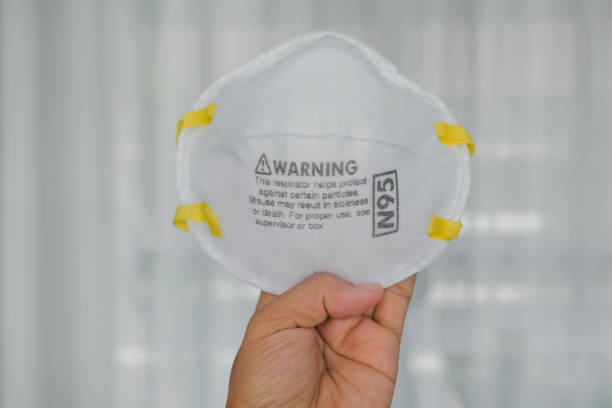
Wildfires are becoming more frequent and more destructive across the United States, especially in California and other drought-prone regions. Along with the flames comes a dangerous and often invisible threat: wildfire smoke. As communities face days or even weeks of poor air quality, many people ask the same urgent question: Does an N95 mask protect against wildfire smoke?
The short answer is yes. When worn correctly, an N95 mask can greatly lower your exposure to harmful wildfire smoke particles. Still, not all masks work the same, and there are important limits you should know to keep yourself and your family safe.
This guide explains how wildfire smoke affects your health, how N95 masks work, when they are most helpful, and what other safety steps you should take during wildfire season.
Table of Contents:
- What Is Wildfire Smoke?
- Why Wildfire Smoke Is Dangerous?
- Does an N95 Mask Protect Against Wildfire Smoke?
- How N95 Masks Work?
- What Particles Are in Wildfire Smoke?
- Who Should Wear an N95 Mask During Wildfires?
- How to Properly Wear an N95 Mask?
- Common Mistakes People Make With N95 Masks
- Are Cloth Masks Effective Against Wildfire Smoke?
- N95 vs KN95 vs Surgical Masks
- Can Children Wear N95 Masks?
- Limitations of N95 Masks
- Other Ways to Protect Yourself From Wildfire Smoke
- What to Do if You Experience Smoke Inhalation Symptoms?
- Frequently Asked Questions
- Long Term Health Effects of Wildfire Smoke Exposure
- Why Wildfire are Becoming More Common?
- Emergency Preparedness for Wildfire Season
- When to Evacuate During a Wildfire?
- Final Thoughts
- Contact Eaton Fire Today
What Is Wildfire Smoke?
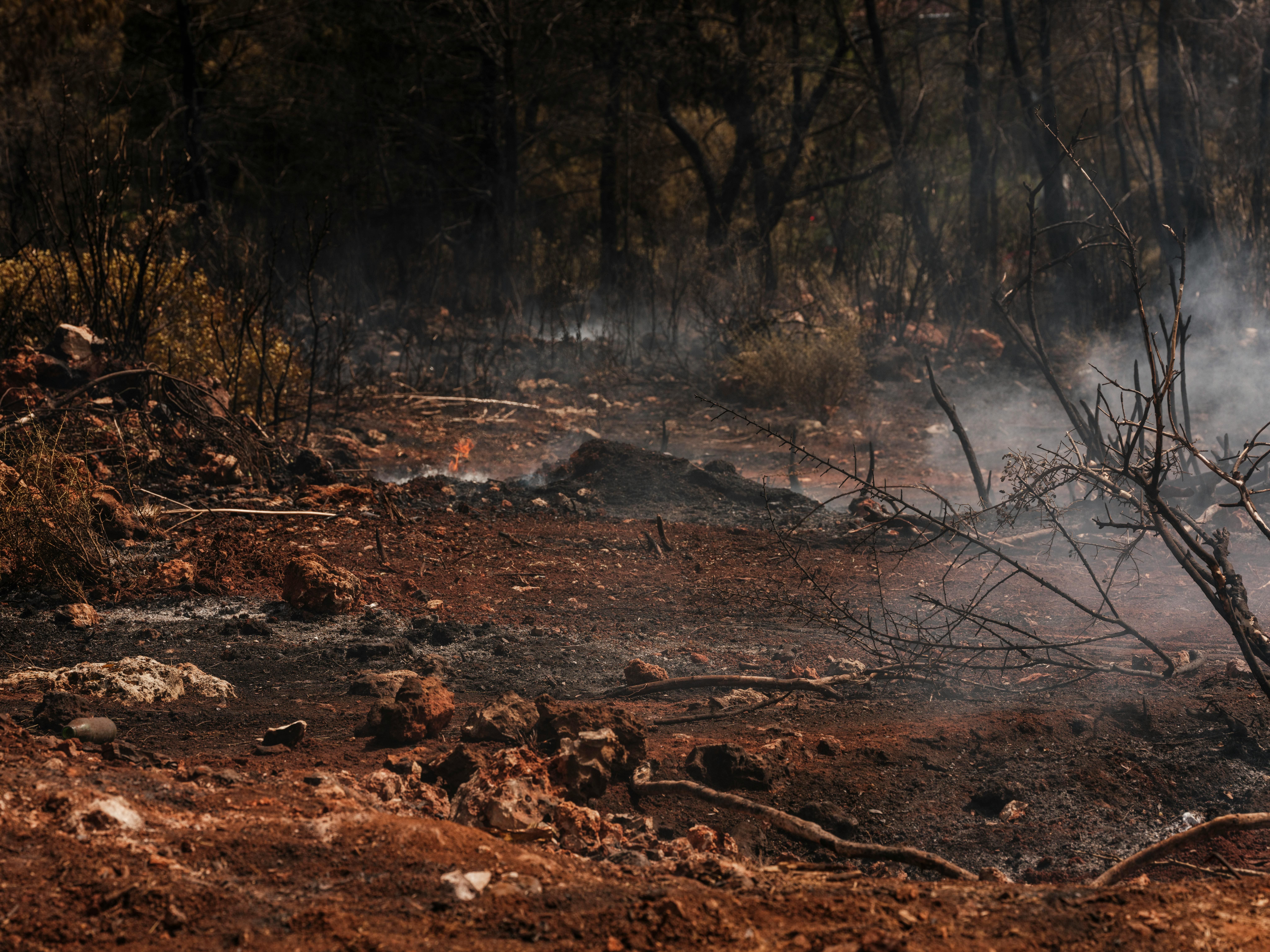
Wildfire smoke is a mixture of gases, chemicals, and microscopic particles released when vegetation, homes, vehicles, and other materials burn. The smoke may look like haze in the sky, but it contains harmful pollutants that can travel hundreds or even thousands of miles.
The most dangerous component of wildfire smoke is known as PM2.5, which stands for particulate matter smaller than 2.5 microns. These particles are tiny enough to enter your lungs and even your bloodstream.
During major wildfire events, air quality can rapidly become hazardous, affecting not only people near the fire but also entire neighboring cities and states.
Why Wildfire Smoke Is Dangerous?
Wildfire smoke can impact nearly every part of the body. Even healthy adults might notice symptoms after prolonged exposure.
Common symptoms include:
- Coughing
- Sore throat
- Burning eyes
- Chest tightness
- Headaches
- Fatigue
- Shortness of breath
For vulnerable populations, wildfire smoke can become life-threatening.
High-Risk Groups Include:
- Children
- Elderly individuals
- Pregnant women
- People with asthma
- Individuals with COPD
- Heart disease patients
- Outdoor workers
Long-term exposure to wildfire smoke has also been linked to:
- Increased risk of heart attacks
- Lung inflammation
- Reduced lung function
- Respiratory infections
- Worsening chronic illnesses
That’s why taking protective steps, like using masks correctly, is so important during wildfire season.
Does an N95 Mask Protect Against Wildfire Smoke?
Yes, an N95 mask can help protect you from wildfire smoke if it fits well and you wear it correctly every time.
The reason N95 masks are effective is that they are specifically designed to filter out at least 95% of airborne particles, including the fine PM2.5 particles commonly found in wildfire smoke.
When people ask, “Does an N95 mask protect against wildfire smoke?” the answer depends on several factors:
- Whether the mask is authentic and certified
- Whether it forms a tight seal on the face
- Whether it is worn correctly
- Whether the exposure time is limited
If a mask does not fit well, smoke particles can leak in around the edges, reducing your protection.
Still, compared to cloth masks or surgical masks, N95 respirators provide far better filtration during wildfire events.
How N95 Masks Work?
N95 masks are respirators approved by the National Institute for Occupational Safety and Health (NIOSH).
Unlike ordinary face coverings, N95 masks use specialized filtering materials that trap tiny airborne particles before they enter your lungs.
Key Features of N95 Masks
1. Tight Facial Seal
The mask is designed to fit snugly around the nose and mouth.
2. High Filtration Efficiency
N95 masks filter at least 95% of airborne particles.
3. Electrostatic Filtration
The mask fibers use electrostatic charge to capture microscopic particles.
4. Multiple Filter Layers
Several layers work together to improve filtration performance.
Because of these features, N95 masks are among the most reliable ways to reduce your exposure to wildfire smoke.
What Particles Are in Wildfire Smoke?
Wildfire smoke contains a complex mix of pollutants.
Common Components Include:
- Carbon monoxide
- Volatile organic compounds
- Ash
- Soot
- Fine particulate matter (PM2.5)
- Toxic chemicals from burned materials
The PM2.5 particles are particularly dangerous because they are small enough to bypass the body’s natural defenses.
These particles can:
- Reach deep into the lungs.
- Enter the bloodstream
- Trigger inflammation
- Aggravate heart and lung disease.
That’s why wearing an N95 mask during smoky conditions can be an important way to protect your health.
Who Should Wear an N95 Mask During Wildfires?
Anyone exposed to unhealthy air conditions may benefit from an N95 mask.
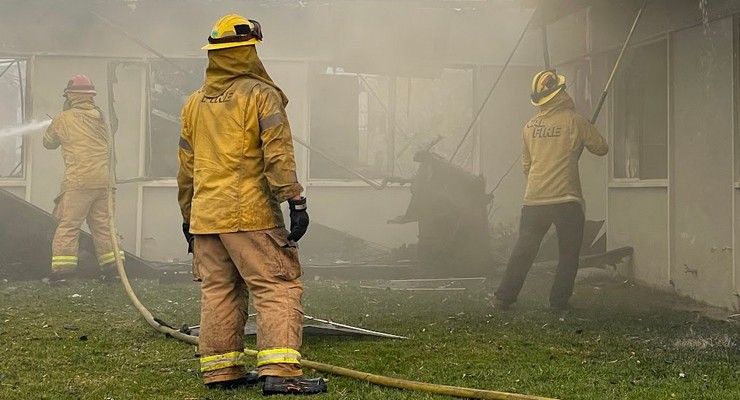
However, they are especially important for:
- Residents in evacuation zones
- Outdoor workers
- Emergency responders
- Individuals with respiratory conditions
- People traveling through smoke-affected areas
If local officials say the air quality is unhealthy or hazardous, wearing an N95 mask outside can help reduce your risk of inhaling smoke.
How to Properly Wear an N95 Mask?
Even the best mask won’t help much if you don’t wear it correctly.
Step-by-Step Guide
Step 1: Wash Your Hands
Always clean your hands before touching the mask.
Step 2: Position the Mask Correctly
Cover both your nose and mouth fully.
Step 3: Adjust the Nose Clip
Press the metal strip firmly around your nose.
Step 4: Secure the Straps
The straps should fit tightly without twisting.
Step 5: Check the Seal
Breathe in and out. If air leaks around the edges, adjust the fit.
Getting a good seal is key to getting the most protection.
Common Mistakes People Make With N95 Masks
Many people make mistakes that lower how well their masks work.
Common Errors Include:
Wearing the Mask Below the Nose
This allows unfiltered air into the respiratory system.
Using Damaged Masks
Torn or stretched masks lose effectiveness.
Reusing Dirty Masks
Smoke particles and moisture can accumulate over time.
Wearing Loose-Fitting Masks
Gaps around the cheeks or chin reduce filtration.
Using Fake or Counterfeit Masks
Counterfeit products may not meet safety standards.
Make sure to buy masks from trusted stores or sellers.
Are Cloth Masks Effective Against Wildfire Smoke?
Cloth masks offer very limited protection from wildfire smoke. They do not filter particles and droplets, and they are generally ineffective against the fine PM2.5 particles found in smoke.
Bandanas, scarves, and fashion masks are also poor substitutes for certified respirators.
If you’re wondering if a cloth mask is enough during wildfire season, health experts say it’s better to use an N95 or a similar respirator.
N95 vs KN95 vs Surgical Masks
It’s important to know the differences between types of masks.
N95 Masks
- NIOSH-approved
- Filters at least 95% of particles
- Best overall protection
KN95 Masks
- Chinese certification standard
- Similar filtration performance
- Quality may vary
Surgical Masks
- Designed for droplets
- Loose fitting
- Less effective against smoke particles
For protection against wildfire smoke, N95 masks remain the best choice.
Can Children Wear N95 Masks?
Children can be especially vulnerable to wildfire smoke, but finding properly fitting masks for kids can be challenging.

Most standard N95 masks are designed for adults and may not fit children correctly.
Parents should:
- Consult pediatric guidance
- Use child-sized respirators if available.
- Limit outdoor exposure
- Keep indoor air clean.
If a child struggles to breathe while wearing a mask, discontinue use and seek medical advice.
Limitations of N95 Masks
N95 masks work very well, but they are not perfect.
Important Limitations Include:
They Do Not Provide Oxygen
Masks filter particles but do not create clean air.
Facial Hair Can Reduce Protection
Beards can interfere with the seal.
Breathing Resistance
Some people may find them uncomfortable during long use.
Not Effective Against All Gases
Certain toxic gases may still pass through the filter.
Heat and Moisture Buildup
Long-term wear can become uncomfortable.
Knowing these limits helps you make better safety choices.
Other Ways to Protect Yourself From Wildfire Smoke
Masks are just one way to stay safe from wildfire smoke.
Additional Protection Measures
Stay Indoors
Limit outdoor activity during poor AQI conditions.
Use HEPA Air Purifiers
Air purifiers can reduce indoor smoke particles.
Keep Windows Closed
Prevent smoke from entering your home.
Monitor Air Quality Reports
Use local AQI monitoring tools.
Create a Clean Room
Designate one room with filtered air.
Avoid Strenuous Outdoor Exercise
Heavy breathing increases smoke inhalation.
Follow Evacuation Orders
Never ignore official emergency warnings.
Combining these strategies with N95 mask use provides better overall protection.
What to Do if You Experience Smoke Inhalation Symptoms?
See a doctor if your symptoms get worse.

Warning Signs Include:
- Difficulty breathing
- Chest pain
- Persistent coughing
- Wheezing
- Dizziness
- Confusion
- Blue lips or fingertips
People with existing health problems should be extra careful during wildfires.
5 Important Questions About N95 Masks and Wildfire Smoke
1. Does an N95 mask protect against wildfire smoke completely?
No mask can provide complete protection, but N95 masks can significantly reduce your exposure to harmful smoke particles when worn correctly.
2. Can I reuse an N95 mask during wildfire season?
You might be able to reuse an N95 mask if it stays clean, dry, and in good shape. But if it gets dirty or wet, you should replace it.
3. Are KN95 masks good for wildfire smoke?
Yes, good-quality KN95 masks can protect you about as well as N95 masks, but the certification rules are not always the same.
4. Can wildfire smoke enter my home even with windows closed?
Yes. Smoke particles can enter through small gaps, ventilation systems, and doors. Air purifiers can help improve indoor air quality.
5. Should I wear an N95 mask inside my house?
If the air inside your home gets bad or smoke comes in, wearing a mask indoors can help, especially for people who are more at risk.
Long-Term Health Effects of Wildfire Smoke Exposure
Scientists continue to study the long-term effects of repeated exposure to wildfire smoke.
Emerging research suggests chronic exposure may contribute to:
- Lung disease
- Cardiovascular problems
- Cognitive decline
- Reduced immune function
- Mental health stress
Communities that face wildfires often should take smoke exposure seriously, even if symptoms seem mild at first.
Why Wildfires Are Becoming More Common?
Climate change, drought, extreme heat, and overgrown vegetation have all contributed to increased wildfire risk.
California and western states continue to experience:
- Longer wildfire seasons
- Faster-moving fires
- Larger burn areas
- More severe smoke events
As wildfires happen more often, having protective items like N95 masks at home becomes even more important.
Emergency Preparedness for Wildfire Season
Preparation can make a major difference during wildfire emergencies.
Wildfire Safety Checklist
- Stock N95 masks
- Keep emergency supplies ready.
- Install air purifiers
- Create evacuation plans
- Prepare medications
- Monitor weather alerts
- Protect important documents
Taking action early can help you stay calm and safe during a wildfire.
When to Evacuate During a Wildfire?
Smoke by itself can be dangerous, but if there is an active fire nearby, you need to act right away.
Evacuate Immediately If:
- Officials issue mandatory orders.
- Visibility becomes dangerously low.
- Fire approaches nearby neighborhoods.
- Air quality becomes hazardous indoors.
- Medical conditions worsen
Don’t wait until things get life-threatening before you act.
Final Thoughts
So, does an N95 mask protect you from wildfire smoke? Absolutely. When used correctly, N95 masks are among the best ways to reduce your exposure to harmful smoke particles. However, masks work best when you also stay indoors, keep your indoor air clean, and follow emergency advice.
As wildfire seasons grow more intense, understanding how to protect yourself and your loved ones becomes increasingly important.
If you or your family have faced losses, injuries, property damage, or health problems because of a wildfire, it’s important to know your legal rights.
Contact Eaton Fire Today
Wildfires can leave families dealing with major losses, health problems, insurance issues, and long recoveries. At Eaton Fire, we know how tough this can be, and we are here to help wildfire victims get the support and compensation they need.

Whether you are dealing with:
- Property damage
- Smoke-related injuries
- Insurance claim denials
- Evacuation losses
- Business interruption damages
- Wrongful death claims
Our experienced team is ready to guide you through every step of your recovery.
Don’t Face the Aftermath Alone
Contact Eaton Fire today for a free consultation for trusted advice and caring legal support. Your recovery is important, and acting early can make a big difference in protecting your future.
Reach out now to talk with our team and find out how we can help you move forward after a wildfire.