

California wildfires are now a major environmental and public safety issue in the United States. Every year, fires burn through thousands or even millions of acres, destroying homes, forcing families to leave, and changing entire communities.
If you’ve been looking for the three main causes of California wildfires, you’re asking an important question. Knowing these causes isn’t just about information; it’s about prevention, being prepared, and protecting what matters most.
This guide will do more than just list the causes. We’ll look at each one closely, discuss what makes wildfires worse, and share practical tips for homeowners and communities.
Table of Contents:
- Introduction to California Wildfires
- What Are the Three Main Causes of California Wildfires?
- Cause #1: Human Activity (The Leading Cause)
- Cause #2: Power Lines and Utility Equipment Failures
- Cause #3: Lightning Strikes (Natural Ignition Source)
- The Science Behind Wildfire Ignition
- Environmental Factors That Intensify Wildfires
- Why Wildfires Are Increasing in California?
- The Role of Climate Change
- The Wildland-Urban Interface Problem
- The Devastating Impact of Wildfires
- Economic, Health, and Environmental Consequences
- Prevention Strategies at the Community Level
- How Homeowners Can Protect Their Property?
- Emergency Preparedness and Evacuation Planning
- Frequently Asked Questions
- Final Thoughts
- Strong Call to Action – Eaton Fire
Introduction to California Wildfires
Wildfires are a natural part of California’s ecosystem. For thousands of years, fire has helped maintain healthy forests by clearing dead vegetation and allowing new growth to flourish.
However, today’s wildfires are very different.
Modern wildfires are:
- Larger
- Faster-moving
- More destructive
- More frequent
Entire towns like Paradise, California, have been devastated in a matter of hours. Fire seasons are longer, and the damage is more severe than ever before.
To understand why this is happening, we must first answer a fundamental question:
👉 What are the three main causes of California wildfires?
What Are the Three Main Causes of California Wildfires?
When you ask about the three main causes of California wildfires,it’s important to know that wildfires don’t happen by chance. They usually start from clear ignition sources, and when these combine with dry weather, wind, and fuel, fires can quickly grow out of control.
The three primary causes of California wildfires are:
- Human Activity (Accidental or Intentional)
- Power Lines and Utility Equipment Failures
- Lightning Strikes
These are the main ways fires start, but they rarely act alone. Environmental factors such as drought, heatwaves, and strong winds can turn a small spark into a fast-moving wildfire.
Let’s take a deeper and more precise look at each cause.
1. Human Activity (Accidental or Intentional)
Human activity is the leading cause of wildfires in California, responsible for an estimated 80% to 90% of all wildfire incidents. This makes it the most significant factor in discussing the three main causes of California wildfires.
How Human Activity Starts Wildfires?
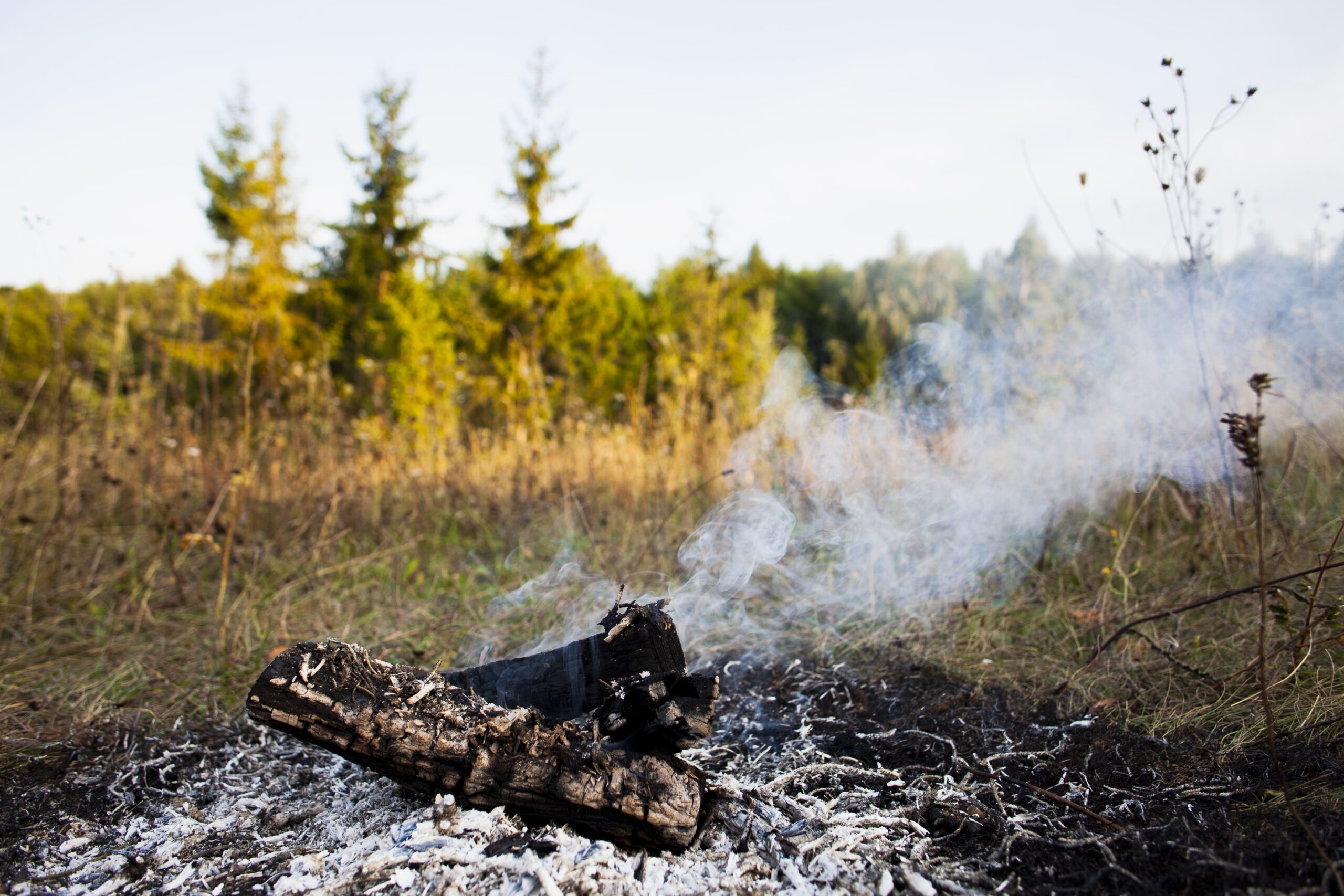
- Unattended campfires: If not fully extinguished, they can smolder and reignite hours later.
- Discarded cigarettes: A lit cigarette thrown into dry vegetation can easily spark a fire.
- Fireworks: Especially dangerous during dry seasons, as they produce sparks that can ignite grass or brush.
- Equipment use: Tools like chainsaws, lawnmowers, and welding equipment can create sparks when they strike rocks or metal.
- Vehicle-related fires: Hot exhaust pipes or dragging chains can ignite dry roadside vegetation.
- Debris burning: Backyard burning of trash or yard waste can quickly get out of control.
- Arson: Deliberate fire-setting, though less common, can lead to large and destructive wildfires.
Fires started by people are especially dangerous because they can occur anytime, anywhere, often when fire risk is highest. Unlike lightning, which occurs only during certain weather conditions, human activity is always present.
Additionally:
- Many fires start near populated areas, putting homes at immediate risk.
- Fires may go unnoticed until they have already grown significantly.
- High-risk behavior often increases during holidays or recreational seasons.
- Dry vegetation (fuel)
- High temperatures
- Low humidity
- Strong winds
2. Power Lines and Utility Equipment Failures
How Utility Equipment Causes Fires?
- Downed power lines: High winds or falling trees can bring lines down, sparking.
- Line-to-vegetation contact: Branches touching live wires can generate heat and sparks.
- Equipment failure: Aging or poorly maintained transformers and connectors can malfunction.
- Electrical arcing: When electricity jumps between conductors, it can produce intense heat capable of igniting nearby materials.
- Santa Ana winds (strong, dry winds that accelerate fire spread)
- Heatwaves (which dry out vegetation)
- Drought periods (which increase fuel flammability)
Infrastructure Challenges
- Aging power grids that require maintenance or upgrades
- Expansion of electrical networks into wildfire-prone areas
- Increased demand for electricity during extreme heat
- Vegetation management (trimming trees near power lines)
- Equipment upgrades
- Public Safety Power Shutoffs (PSPS) during high-risk weather
3. Lightning Strikes (Natural Ignition Source)
How Lightning Starts Wildfires?
Lightning strikes can create extremely high temperatures, hot enough to immediately ignite dry plants.
When lightning hits:
- Trees, grass, or brush can catch fire immediately.
- Fires may smolder undetected before becoming visible.
- Multiple ignition points can occur across a wide area.
- Lightning strikes happen without significant rainfall.
- Vegetation remains dry and highly flammable.
- There is no natural suppression from precipitation.
Multiple Fire Ignitions
- Dozens or even hundreds of fires simultaneously
- Fires in remote or hard-to-reach areas
- Fires that strain firefighting resources
- Late summer
- Early fall
Cause #1: Human Activity (The Leading Cause)
Types of Human-Caused Wildfires
Accidental Causes
- Campfires left burning or improperly extinguished.
- Cigarettes were tossed onto dry ground.
- Sparks from power tools or construction equipment
- Vehicles parked on dry grass
- Fireworks are used during dry conditions.
- Backyard burning of trash or debris.
- Arson
- Illegal burning activities
Unlike natural causes, human activity happens everywhere: in cities, rural areas, along highways, and in parks.
Because people are everywhere, the chance of starting a fire is higher.
- Many people underestimate wildfire risks.
- Fire safety rules are sometimes ignored.
- Rapid urban expansion brings more people into fire-prone areas.
- A spark ignites dry grass.
- Flames spread quickly due to the low moisture content.
- Wind carries embers to nearby areas.
- Multiple fires ignite simultaneously.
- Firefighters struggle to contain the spread.
- Loss of life
- Destruction of homes
- Massive financial damage
Cause #2: Power Lines and Utility Equipment Failures
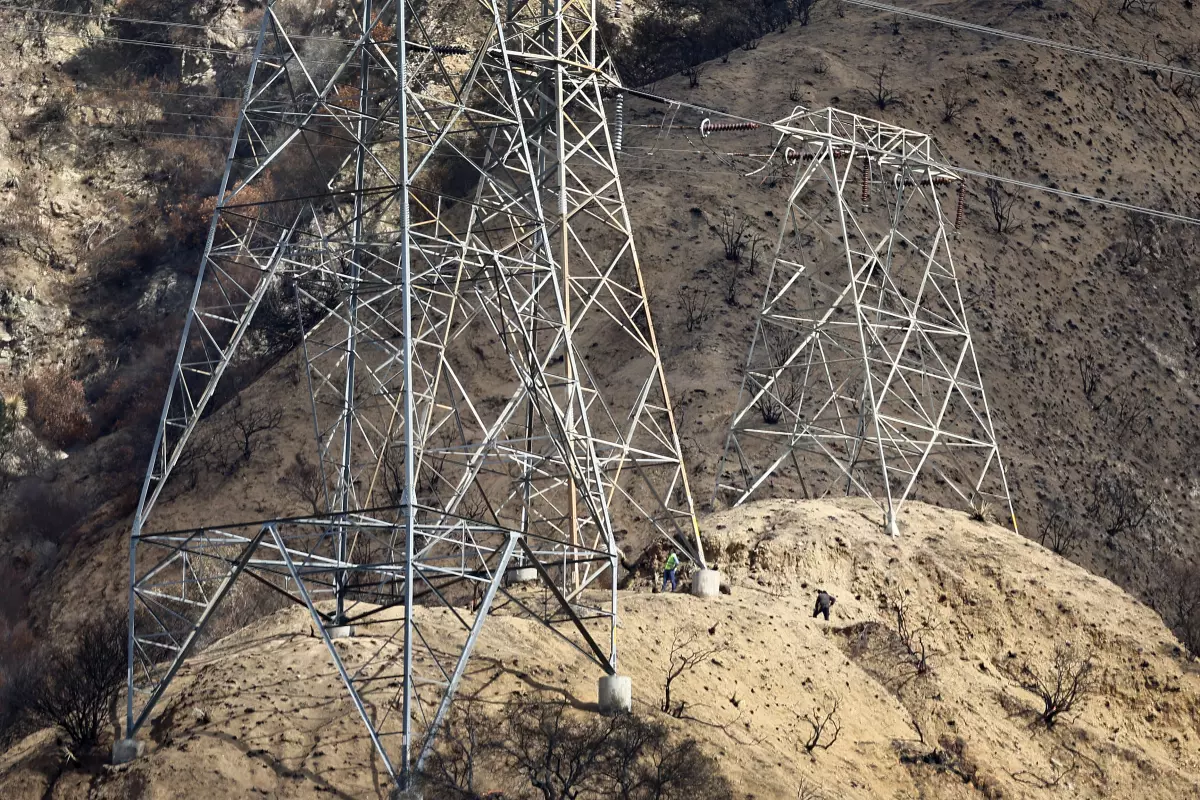
- Downed power lines during storms or high winds
- Sparks from aging or damaged equipment
- Contact between vegetation and electrical wires
- Transformer explosions
- Aging infrastructure that hasn’t kept up with demand
- Expansion of electrical grids into remote areas
- Extreme weather puts extra stress on equipment.
- Strong wind events (especially Santa Ana winds)
- Heatwaves
- Dry seasons with low humidity
Legal and Financial Implications
- Major lawsuits
- Multi-billion-dollar settlements
- Increased scrutiny and regulation
Cause #3: Lightning Strikes (Natural Ignition Source)
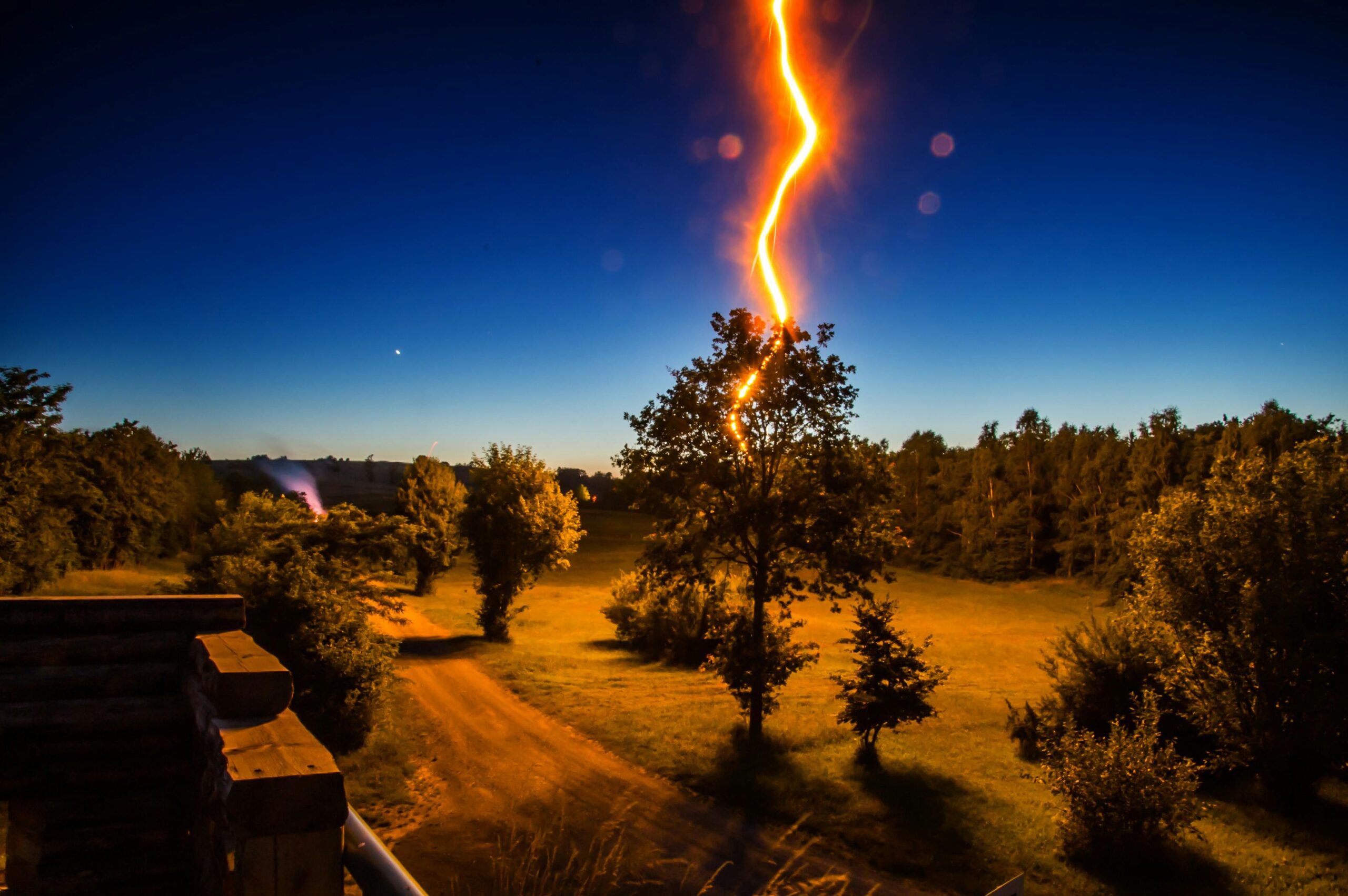
- It generates intense heat.
- Dry vegetation ignites instantly.
- Fires may smolder before spreading.
California is particularly vulnerable to dry lightning, where lightning occurs without significant rainfall.
- Vegetation is extremely dry.
- No rain to suppress flames
- Multiple fires can start simultaneously.
- Hundreds of fires in a single event
- Overwhelmed firefighting resources
- Massive regional damage
The Science Behind Wildfire Ignition
To really understand the three main causes of California wildfires, it helps to know how fires start in the first place.
Wildfires require three elements:
- Fuel – Dry vegetation (grass, trees, brush)
- Heat – Ignition source (human activity, power lines, lightning)
- Oxygen – Air that sustains combustion
This combination is called the fire triangle.
When all three elements are present, a wildfire can ignite and spread rapidly.
Environmental Factors That Intensify Wildfires
Key Factors:
Drought
Wind
- Spread flames quickly
- Carry embers over long distances.
- Create unpredictable fire behavior.
Fuel Load
Why Wildfires Are Increasing in California?
Major Reasons:
- Rising temperatures
- Longer dry seasons
- Increased human activity in fire-prone areas
- Aging infrastructure
- Accumulation of forest fuel
The Role of Climate Change
- Hotter temperatures dry out vegetation faster.
- Snow melts earlier, extending dry seasons.
- Increased frequency of extreme weather events
- Longer fire seasons
- More intense fires
- Greater overall risk
The Wildland-Urban Interface Problem
Why This Matters:
- More people are exposed to wildfire risks.
- Human-caused fires become more likely.
- Firefighting becomes more complex.
The Devastating Impact of Wildfires
Immediate Effects:
- Homes destroyed
- Families displaced
- Communities evacuated
- Economic hardship
- Mental health challenges
- Environmental damage
Economic, Health, and Environmental Consequences
Economic Impact
- Billions in damages annually
- Rising insurance costs
- Loss of businesses
- Respiratory issues from smoke
- Long-term lung damage
- Increased hospital visits
- Wildlife habitat destruction
- Soil degradation
- Water contamination
Prevention Strategies at the Community Level
Key Strategies:
- Enforcing fire safety laws
- Maintaining power infrastructure
- Conducting controlled burns
- Public education campaigns
How Homeowners Can Protect Their Property?
- Clear vegetation within 30–100 feet
- Remove dead plants and debris.
- Trim trees and shrubs.
- Non-combustible roofing
- Fire-resistant siding
- Ember-resistant vents
- Clean gutters
- Store flammable materials safely.
- Regularly inspect surroundings
Emergency Preparedness and Evacuation Planning
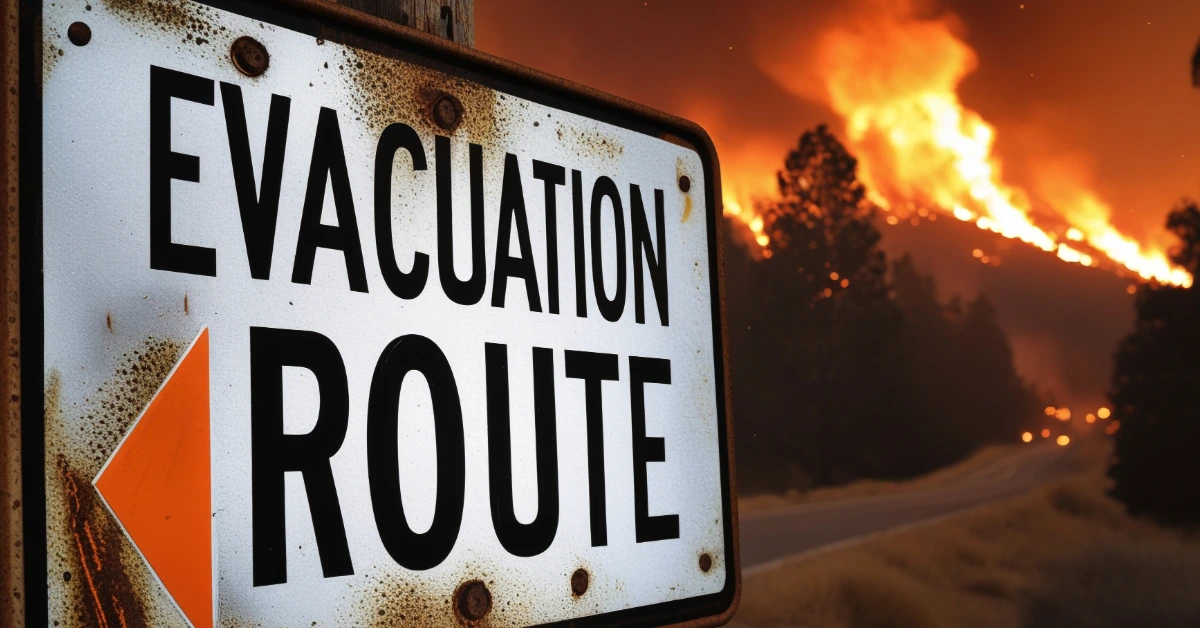
- Create an evacuation plan.
- Pack emergency supplies
- Stay informed through alerts.
- Know evacuation routes
Frequently Asked Questions
2. Why is human activity the leading cause?
3. Are utility companies responsible for wildfires?
4. How does lightning compare to human causes?
5. Can wildfires be prevented?
Final Thoughts
They are:
- Human activity
- Power line and utility failures
- Lightning strikes
These causes might seem simple, but their effects are worsened by the environment, climate change, and the growing number of people moving into fire-prone areas.
Understanding these causes is the first step toward prevention, and ultimately, protection.
🔥 Strong Call to Action: Eaton Fire
Wildfires don’t just destroy property; they also disrupt lives, families, and futures. If you’ve been affected by a wildfire, you know how overwhelming the aftermath can feel.
You don’t have to face it alone.

At Eaton Fire, we specialize in helping wildfire victims recover, rebuild, and move forward with confidence. From navigating complex insurance claims to securing the compensation you deserve, our team is here to support you every step of the way.
👉 Time matters after a wildfire. The sooner you act, the stronger your recovery can be.
Don’t let confusion or delays cost you what you’re entitled to.
Contact Eaton Fire today for a free consultation. Your path forward starts here.