
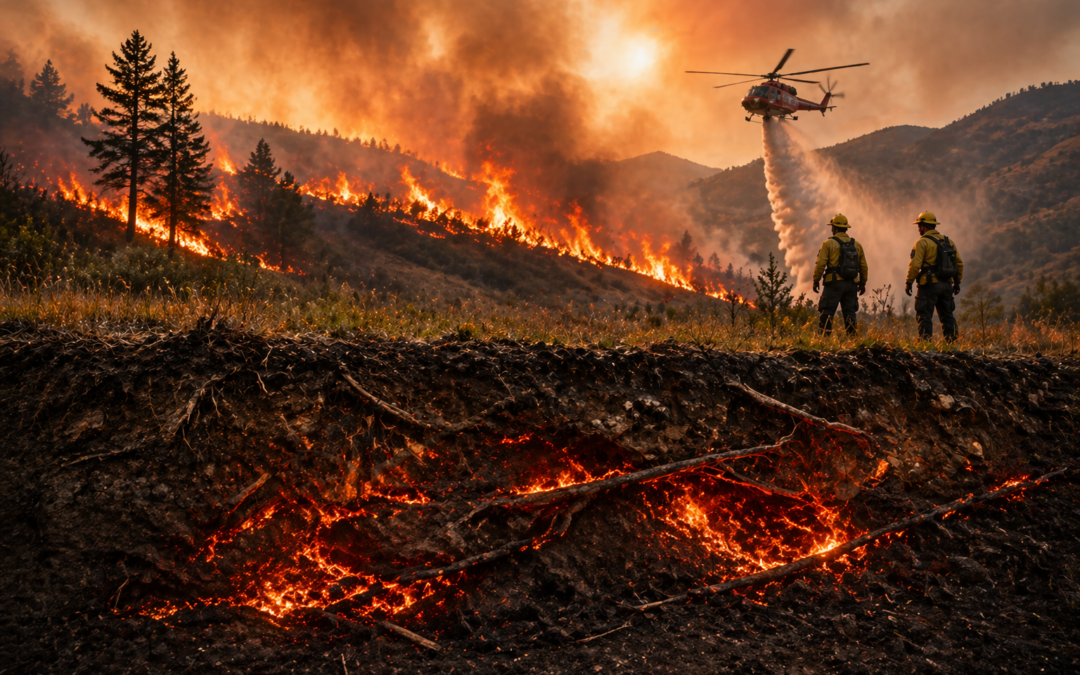
People picture wildfires as fast-moving flames. But hidden underground fires are even more dangerous. Layers of soil that are rich in organic muck can let fires keep burning after surface flames die down. This hidden threat extends fire duration, increases damage, and brings extra risks for firefighters and communities.
It’s important to know why muck makes wildfires dangerous, especially as droughts get worse and wildfires grow more common. This guide covers the science, risks, effects, and prevention of muck-fueled wildfires.
Table of Contents:
- What Is Muck and How Does It Form?
- The Difference Between Mineral Soil and Organic Soil
- The Science of Smoldering Fires
- Why Does Muck Make Wildfires More Dangerous?
- Underground Fire Behavior Explained
- The Role of Root Systems in Fire Spread
- Why Muck Fires Are Called “Zombie Fires”?
- The Impact of Drought on Muck Combustion
- Climate Change and Expanding Fire Zones
- Environmental Damage Caused by Muck Fires
- Structural Risks and Land Instability
- Challenges Firefighters Face with Muck Fires
- Long-Term Effects of Underground Burning
- Real-World Case Studies of Muck Fires
- Prevention and Risk Reduction Strategies
- 5 Key Questions About Muck and Wildfires (Answered)
- Final Thoughts
- Strong Call to Action – Eaton Fire
1. What Is Muck and How Does It Form?
The Formation Process of Muck Soil
- Vegetation Growth and Accumulation
Wetland environments are rich in plant life. Grasses, reeds, shrubs, and aquatic plants grow rapidly due to constant moisture and nutrient availability. - Partial Decomposition
When these plants die, they fall into waterlogged soil. Waterlogged soil is saturated with water. In such saturated environments, oxygen is low. Microorganisms responsible for decomposition cannot fully break down the organic matter. - Layering Over Time
As new vegetation grows and dies, it adds new layers on top of older ones. Over the years or centuries, this creates thick deposits of partially decomposed material. - Compression and Transformation
As more layers pile up, they compress the soil underneath. This makes the soil denser. The result is a soft yet tightly packed organic soil. That’s how muck forms.
Key Characteristics of Muck Soil
- High Organic Content: Often contains more than 20–30% decomposed plant material
- Dark Color: Typically black or dark brown due to high carbon concentration
- Spongy Texture: Soft and moisture-retentive when wet
- Nutrient-Rich: Contains nitrogen, phosphorus, and other essential nutrients.
- High Water Retention: Can hold significant amounts of moisture
Why Muck Can Become Dangerous?
Mud has benefits, but it can be dangerous when dry. During drought or long heat, the moisture that keeps the muck stable goes away. When the water leaves, the organic material is exposed to oxygen and ignites easily.
This is when muck becomes a real danger.
Muck is full of carbon-rich organic material and acts as hidden natural fuel. If it catches fire, from wildfire, lightning, or people, it can burn slowly underground.
Muck vs. Peat: A Critical Comparison
- Muck is more decomposed, finer in texture, and typically found in warmer, wetter regions.
For wildfire behavior, both muck and peat are risky. Like peat, muck can burn underground for weeks or months, with no visible flames.
This similarity is important because both types of soil can fuel long-lasting, hard-to-find fires.
The Role of Water in Muck Stability
- Drought
- Drainage for agriculture or development
- Climate change-induced evaporation
Why This Matters for Wildfire Risk?
- It allows fire to spread below the surface, unseen.
- It extends wildfire duration, even after flames are extinguished.
- It increases the likelihood of re-ignition, sometimes days or weeks later.
2. The Difference Between Mineral Soil and Organic Soil
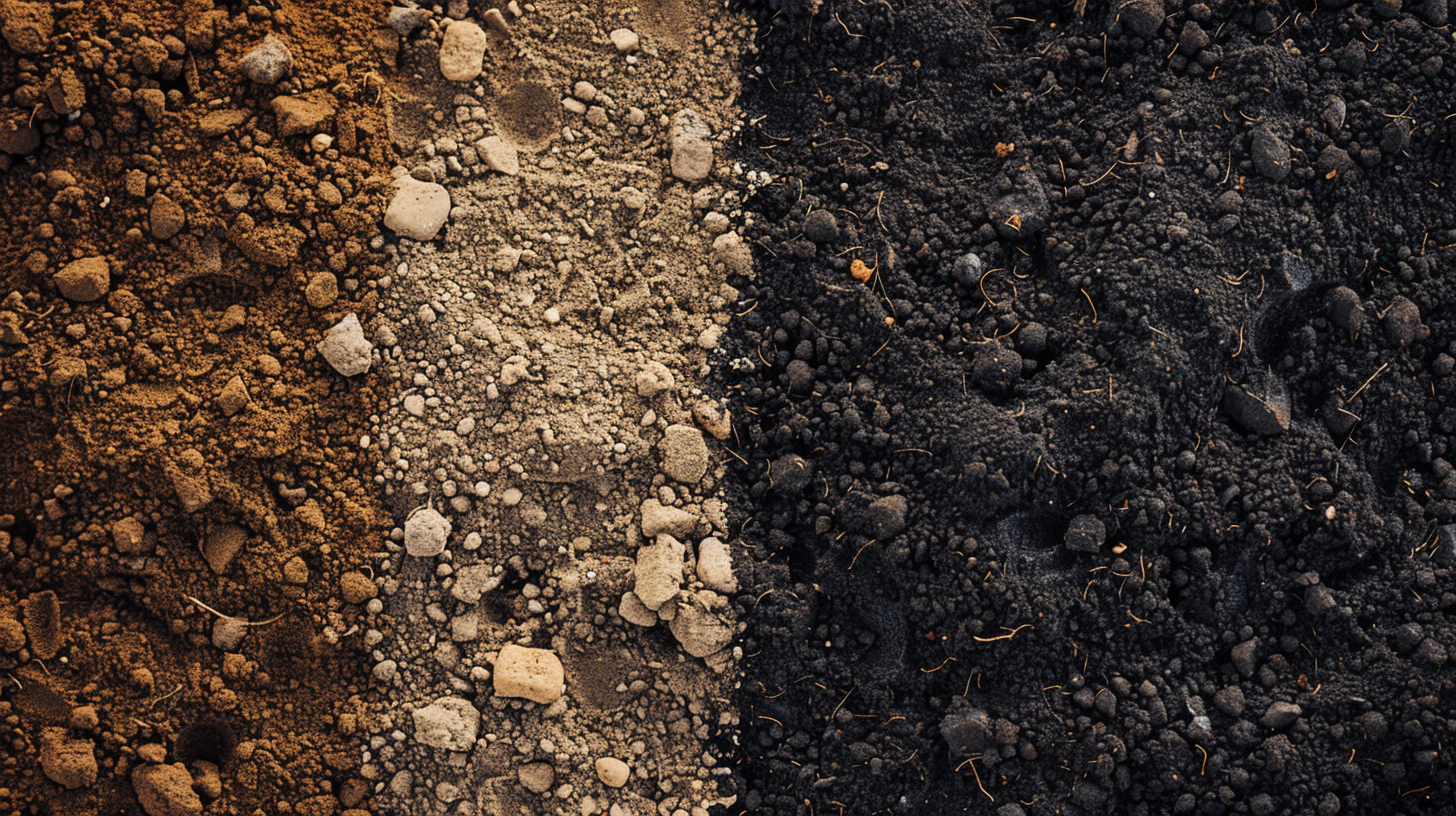
- Composed of sand, silt, and clay
- Low organic content
- Does not burn easily
- Acts as a natural fire barrier
- High in decomposed plant material
- Rich in carbon
- Highly combustible when dry
- Can sustain underground fires
3. The Science of Smoldering Fires
Smoldering combustion is crucial to understanding muck fires. Unlike the visible flames of typical wildfires, muck fires often burn as hidden, long-lasting underground threats.
What Is Smoldering Combustion?
Key Characteristics of Smoldering Fires:
- Low-temperature combustion: Burns at 250–700°C. This is lower than flames but still hot enough to keep burning.
- Surface-based reaction: Oxygen acts with the fuel’s surface instead of igniting gases in the air.
- Minimal light: Smoldering fires produce very little visible flame, making them hard to notice.
- Continuous heat generation: Releases steady heat over long periods
Unlike wildfires with big flames that burn fuel quickly, smoldering fires slowly break down organic material. They do this layer by layer. This lets the fire move deeper into muck-rich soil.
Now Smoldering Fires Develop in Muck
Smoldering fires in muck often begin when a surface fire or heat source ignites dry organic soil.
After the top plants burn, heat moves into the muck below. Process Looks Like This:
- Initial Ignition
A surface wildfire, lightning strike, or human activity introduces heat to dry organic soil. - Heat Penetration: Heat moves downward into the muck, drying it even more and making it ready to burn.
- Oxygen Diffusion: Muck is dense but has small air pockets. Oxygen seeps in, just enough to keep the smoldering fire alive.
- Sustained Underground Burning
The fire slowly consumes organic material, spreading horizontally and vertically through the soil. - Long-Term Persistence
Because the process is slow and the fire is insulated by surrounding soil, it can continue burning for extended periods.
Why Smoldering Is Especially Dangerous?
1. Hard to Detect
- Faint smoke
- Slight discoloration
2. Produces Toxic and Persistent Smoke
- Carbon monoxide
- Methane
- Fine particulate matter (PM2.5)
- Volatile organic compounds (VOCs)
3. Can Transition Into Flaming Fires
- Wind introduces more oxygen.
- Soil is disturbed
- Surface vegetation becomes dry and ignites.
4. Persists for Long Durations
- Weeks in moderate conditions
- Months in severe drought
- Even longer in extreme cases involving deep organic layers
5. Burns Deep Below the Surface
- Weakens soil structure
- Creates voids and sinkholes
- Damages root systems and ecosystems
4. Why Does Muck Make Wildfires More Dangerous?
1. Hidden Fuel Beneath the Surface
2. Extended Fire Duration
3. Invisible Fire Spread
4. Sudden Reignition
5. Increased Smoke and Air Pollution
All these effects show why muck makes wildfires more dangerous than those that burn only surface plants.
5. Underground Fire Behavior Explained
Key Characteristics:
- Spread slowly but steadily.
- Burn at lower temperatures.
- Can move in multiple directions
- Often go undetected
6. The Role of Root Systems in Fire Spread
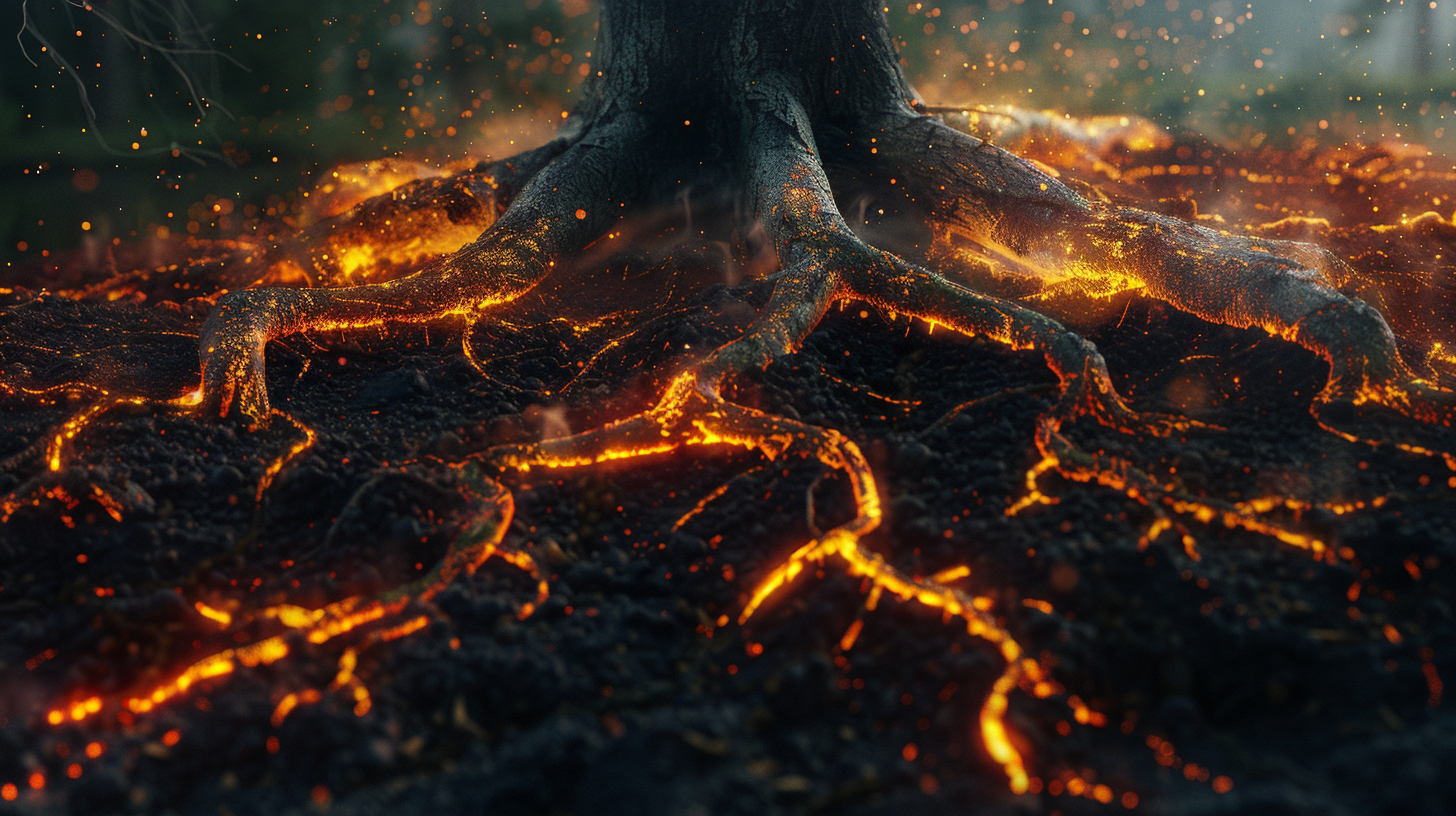
- Connect different areas of soil.
- Provide additional organic fuel.
- Allow fire to travel horizontally.
7. Why Muck Fires Are Called “Zombie Fires”?
Why They Reignite:
- Heat remains trapped underground.
- Oxygen re-enters the soil.
- Weather conditions change
8. The Impact of Drought on Muck Combustion
During Drought:
- Water levels drop
- Soil dries out
- Organic material becomes flammable.
9. Climate Change and Expanding Fire Zones
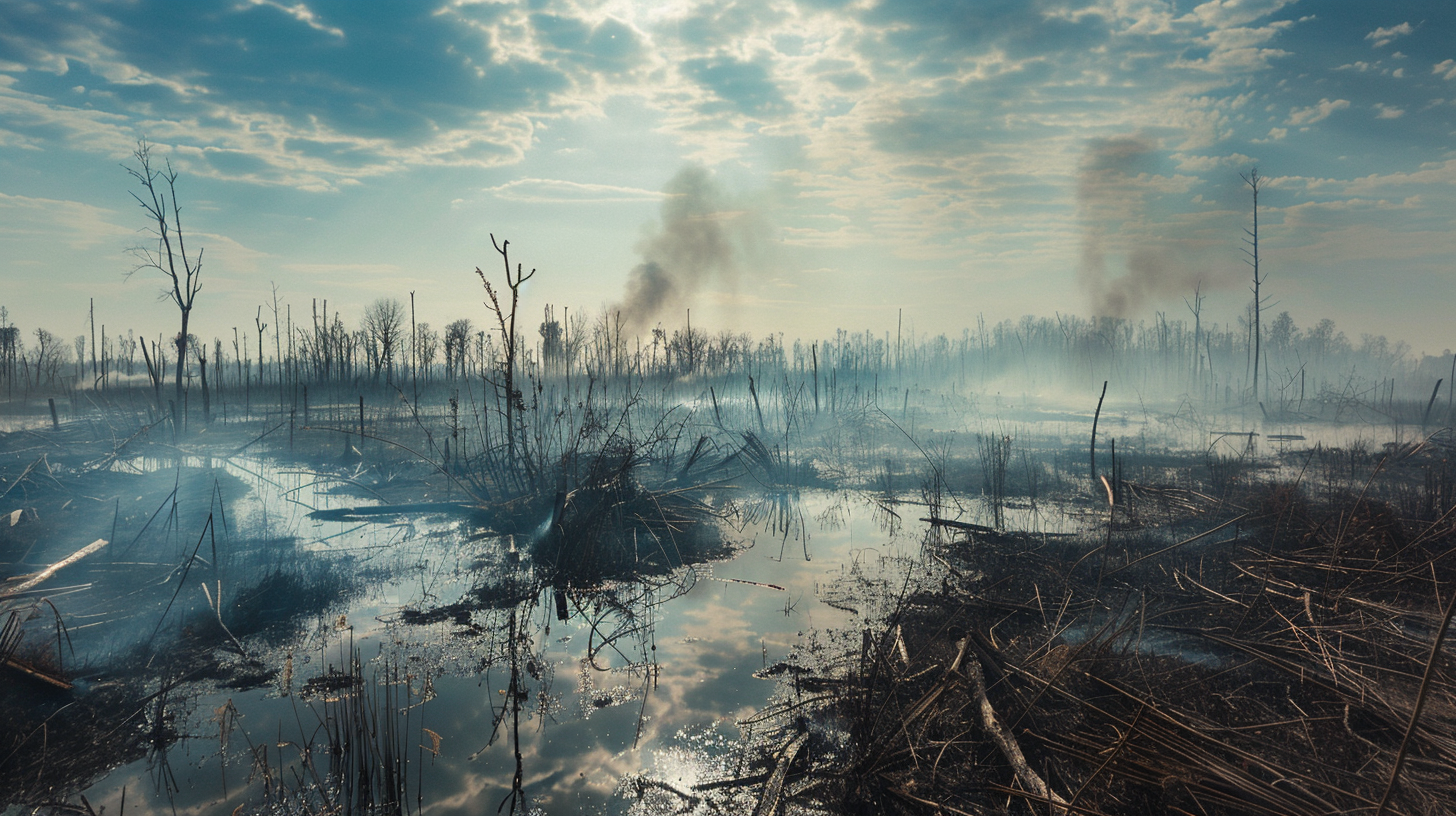
- Longer dry seasons
- Increased temperatures
- Reduced soil moisture
Because of these changes, it’s more important than ever to understand why muck makes wildfires more dangerous.
10. Environmental Damage Caused by Muck Fires
Major Impacts:
- Release of stored carbon
- Destruction of habitats
- Loss of biodiversity
- Soil degradation
11. Structural Risks and Land Instability
Risks Include:
- Sinkholes
- Collapsing ground
- Damaged roads and buildings
- Unsafe living conditions
12. Challenges Firefighters Face with Muck Fires
Major Challenges:
- Locating underground hotspots
- Getting water deep into the soil
- Preventing re-ignition
- Managing long-term suppression
- Dig up the soil
- Flood entire areas
- Keep watch on the area for weeks.
13. Long-Term Effects of Underground Burning
Long-Term Consequences:
- Soil instability
- Reduced land value
- Increased flood risk
- Permanent ecosystem damage
14. Real-World Case Studies of Muck Fires
Florida Everglades:
Southeast Asia:
Arctic Regions:
“Zombie fires” have reignited after winter due to underground burning.
15. Prevention and Risk Reduction Strategies
Community-Level Actions:
- Maintain wetland water levels.
- Monitor drought conditions
- Implement fire management plans.
- Avoid draining organic soil.
- Maintain defensible space
- Stay informed about fire risks.
16. 5 Key Questions About Muck and Wildfires
1. Why does muck make wildfires more dangerous than regular soil?
2. Can muck fires be completely extinguished?
3. Are muck fires more harmful to air quality?
4. Do muck fires only occur in wetlands?
5. Are muck fires becoming more common?
17. Final Thoughts
Learning why muck makes wildfires more dangerous helps reveal a hidden wildfire risk that many people miss. Underground fires last longer, are harder to predict, and can cause lasting damage to the environment and buildings.
As the climate continues to change, muck fires will likely occur more often and be more severe. Being aware, prepared, and taking steps to prevent them are the best ways to reduce their impact.
18. Strong Call To Action

At Eaton Fire, we’re committed to helping wildfire victims recover, rebuild, and move forward with confidence. We help with insurance claims, property damage, and legal support, so you don’t have to handle it all by yourself.
Don’t wait for the damage to get worse. Contact Eaton Fire today for a free consultation.
Your home, your safety, and your future deserve the best protection.