
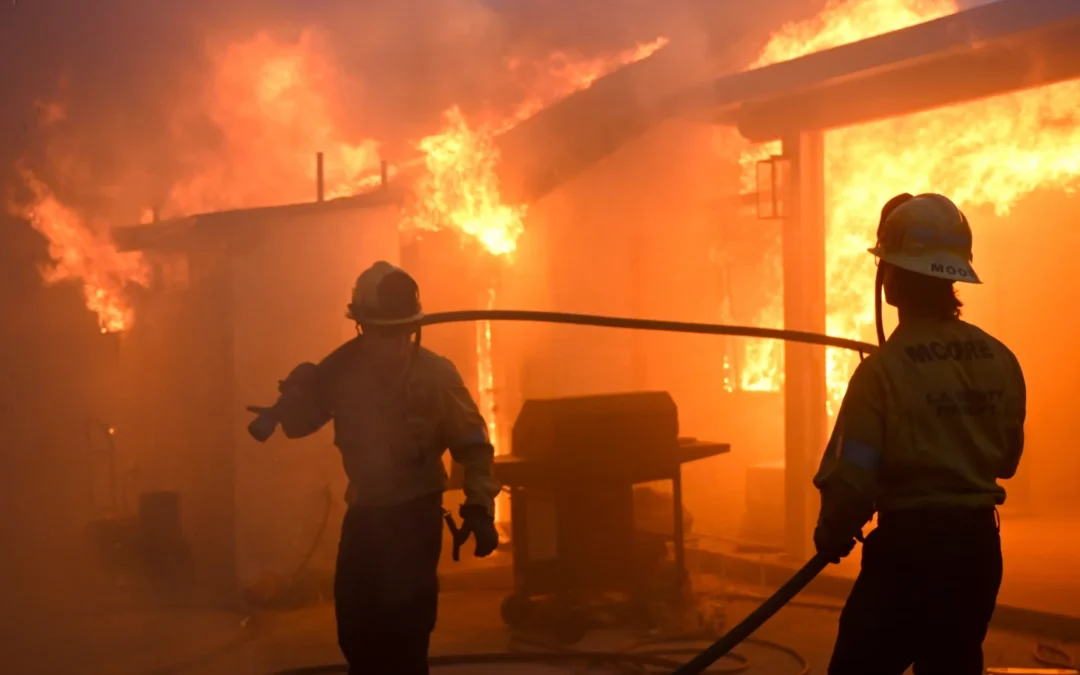
Wildfires are relentless disasters that leave scorched landscapes and displaced communities. As fire intensity and frequency rise, people ask: Why are wildfires so hard to put out? The challenge stems from fast-changing weather, complex terrain, limited firefighting resources, and unpredictable fire behavior.
Firefighters face many overwhelming challenges that they cannot control when battling wildfires. Unlike fires in buildings, wildfires are powered by natural forces and can transform rapidly into massive, uncontrollable blazes.
Table of Contents:
- Introduction: The Reality of Modern Wildfires
- Why Are Wildfires So Hard to Put Out? An Overview?
- Weather Conditions That Intensify Wildfires
- Terrain and Accessibility Challenges
- Fuel Load and Vegetation: The Fire’s Energy Source
- Understanding Wildfire Behavior and Dynamics
- The Scale Problem: Why Size Matters
- Limited Resources and Firefighting Constraints
- The Physical and Mental Toll on Firefighters
- Climate Change and Its Role in Wildfire Growth
- The Wildland-Urban Interface Problem
- Technology Limitations in Wildfire Suppression
- Frequently Asked Questions About Wildfires
- Conclusion: The Bigger Picture
- Call to Action – Eaton Fire
1. Introduction: The Reality of Modern Wildfires
Wildfires are now relentless, recurring disasters impacting urban areas, disrupting economies, and threatening lives on a massive scale. Regions once facing manageable fire seasons now confront year-round threats that demand urgent action.
Firefighters are thrust into the front lines to contain these blazes, but the complex urgency of wildfire suppression often goes unnoticed by the public. To grasp the danger, we must urgently investigate why wildfires are so hard to put out and why even the most advanced firefighting teams cannot always keep pace.
2. Why Are Wildfires So Hard to Put Out? An Overview?
Wildfires are hard to extinguish due to many uncontrollable factors affecting open environments, making them unpredictable compared to confined structural fires.
Several elements contribute to this difficulty:
- Constantly shifting weather conditions.
- Vast and often inaccessible terrain
- Highly flammable vegetation
- Limited resources relative to fire size
- Rapid and unpredictable fire behavior
3. Weather Conditions That Intensify Wildfires

Wind is perhaps the most dangerous factor in wildfire behavior. It feeds the flames with oxygen, pushes the fire forward, and carries burning embers over long distances. These embers can ignite new fires miles away from the original blaze, creating multiple fronts that firefighters must manage simultaneously.
Sudden changes in wind direction can also trap firefighters, making operations extremely dangerous.
Heat: Fueling the Fire
Low Humidity: A Hidden Threat
4. Terrain and Accessibility Challenges
Wildfires often ignite in remote, rugged landscapes where swift access is nearly impossible.
Mountains, dense forests, and steep canyons act as barriers, requiring urgent adaptation from firefighting teams who face escalating danger with every passing moment.
Why Terrain Complicates Firefighting:
- Fires move faster uphill as they heat up. (Effects of slope steepness and cross-slope wind speed on fire spreading behavior for various vegetation, 2026)
- Narrow or nonexistent roads delay emergency response.
- Heavy equipment cannot reach certain areas.
- Evacuation routes may be limited.
5. Fuel Load and Vegetation: The Fire’s Energy Source
Types of Wildfire Fuel:
- Dry grasses and shrubs that ignite quickly
- Trees that burn intensely and for long periods
- Dead leaves and branches that act as kindling
Over time, forests accumulate massive amounts of dead vegetation, urgently creating a tinderbox environment.
When a fire ignites under these conditions, it feeds on abundant energy and grows rapidly, burning hotter and spreading faster than crews can contain.
Drought conditions further exacerbate the problem by drying out vegetation, making it even more flammable.
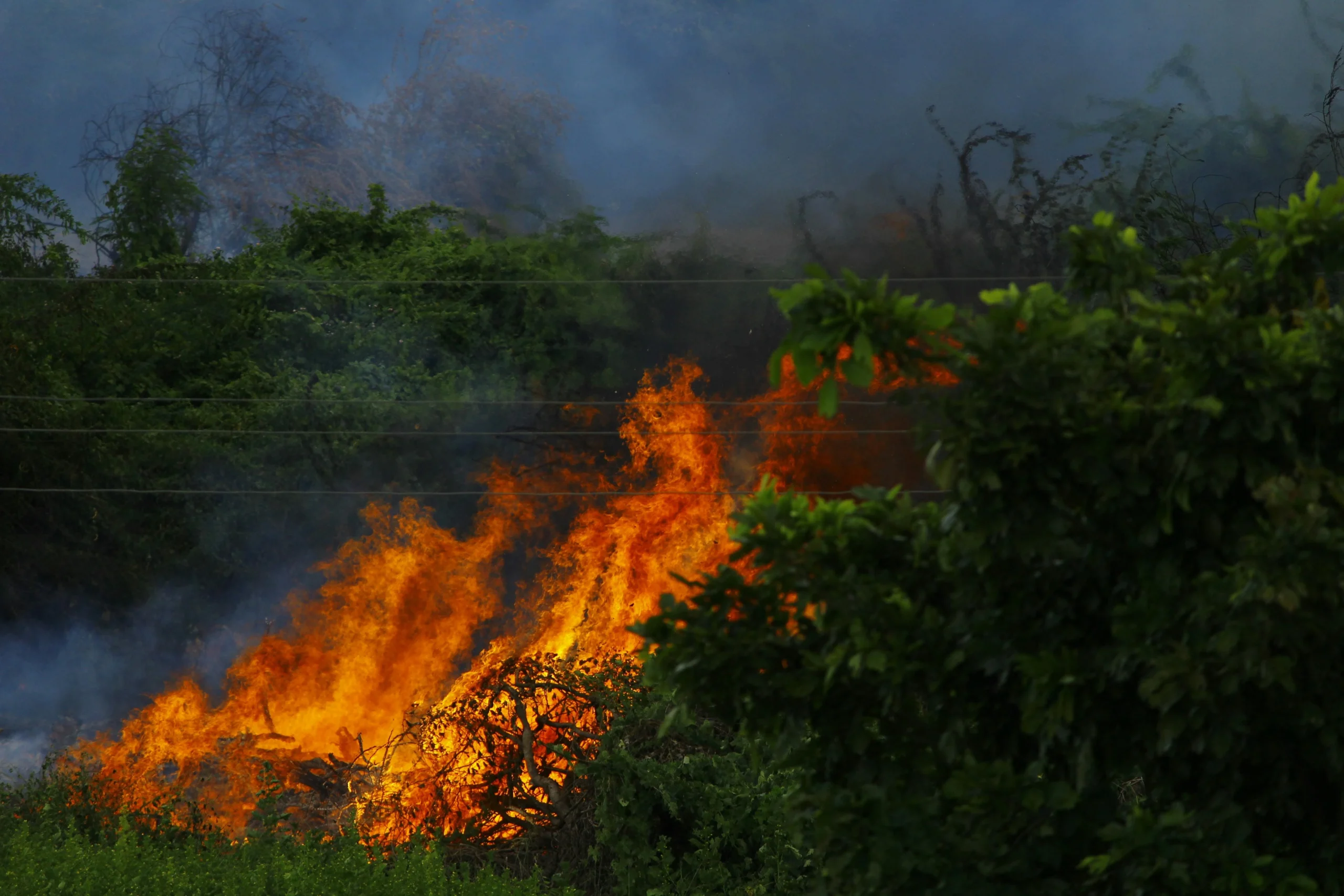
6. Understanding Wildfire Behavior and Dynamics
Fire Behavior Factors:
- Heat transfer mechanisms (radiation, convection, conduction)
- Fuel arrangement and density
- Oxygen supply
In extreme cases, wildfires can create their own weather systems. These fire-generated conditions can produce strong winds, lightning, and even fire tornadoes.
Such phenomena make firefighting efforts significantly more dangerous and less effective.
7. The Scale Problem: Why Size Matters
Challenges of Large-Scale Fires:
- Difficult to surround and contain
- Require massive coordination across teams.
- Can burn for weeks or months
8. Limited Resources and Firefighting Constraints
Common Constraints:
- Limited personnel
- Shortage of firefighting equipment
- Restricted water supply in remote areas
- Coordination challenges among agencies
9. The Physical and Mental Toll on Firefighters
Risks Include:
- Heat exhaustion and dehydration
- Smoke inhalation
- Injuries from falling debris
- Sudden changes in fire behavior
10. Climate Change and Its Role in Wildfire Growth
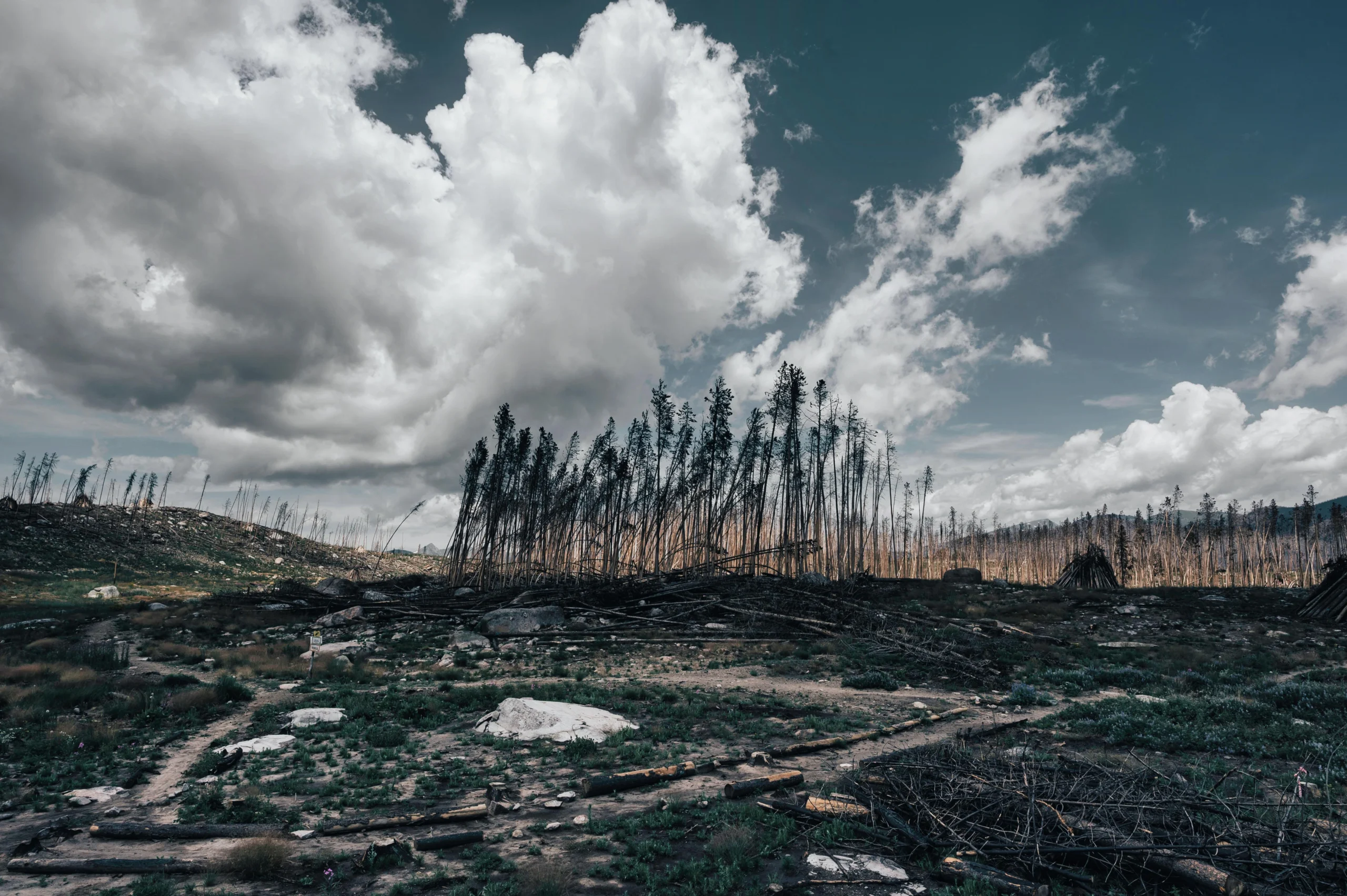
- Longer fire seasons
- Higher average temperatures
- Increased drought frequency
- More extreme weather events
These conditions urgently create environments where fires ignite easily and spread rapidly.
Firefighters now confront larger and more intense wildfires than ever before, demanding immediate action and adaptation.
11. The Wildland-Urban Interface Problem
Challenges in the WUI:
- Protecting homes and infrastructure
- Managing evacuations
- Preventing fire spread between structures
12. Technology Limitations in Wildfire Suppression
Tools Used:
- Drones for surveillance
- Satellite imagery
- Fire retardant drops
- Predictive modeling
13. Frequently Asked Questions About Wildfires
1. Why are wildfires so hard to put out compared to other fires?
2. Why can’t firefighters just use more water?
3. Do firefighters ever let fires burn on purpose?
4. How long does it take to put out a wildfire?
5. What is the biggest factor in wildfire spread?
14. Conclusion: The Bigger Picture
To understand why wildfires are so hard to extinguish, recognize how natural forces, environmental variables, and human limitations interact. These combined challenges make wildfires bigger, more complex, and more dangerous than ever.
Firefighters continue to adapt and innovate, but the scale of the challenge is growing. Addressing wildfire risks requires a collective effort that includes better land management, climate action, and community preparedness.
15. Call To Action
At Eaton Fire, we stand with communities before, during, and after wildfire disasters. Whether you need expert guidance, recovery support, or help navigating the aftermath, our team is ready to assist you.

👉 Contact Eaton Fire today for a free consultation and take the first step toward safeguarding your home, your family, and your future.