
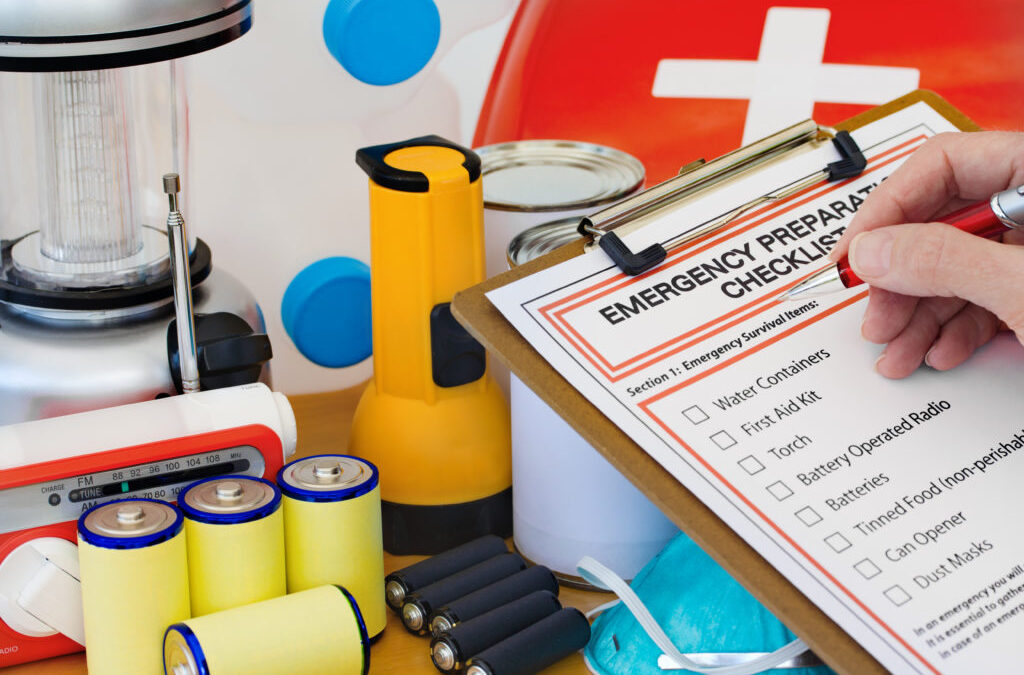
Wildfires are erupting more often, growing stronger, and challenging prediction efforts.
Families sometimes have only minutes to decide whether to evacuate. Using a wildfire evacuation checklist empowers you to protect yourself, your family, and your home.
This guide delivers more than a simple list. It offers helpful advice, actionable tips, and expert strategies to help you prepare rather than merely react.
Table of Contents:
- What Is a Wildfire Evacuation Checklist?
- Why Wildfire Preparedness Is Critical Today?
- Understanding Evacuation Warning Levels
- Full Wildfire Evacuation Checklist (Detailed Breakdown)
- Building the Ultimate Emergency Go-Bag
- Protecting Your Home Before You Leave
- Preparing Your Family: Pets, Kids, and Seniors
- Creating a Communication Plan That Works
- Choosing Safe Evacuation Routes
- What to Do During Evacuation?
- After Evacuation: What Comes Next
- 5 Key Questions About Wildfire Evacuation
- Final Thoughts
- Eaton Fire Call to Action
1. What Is a Wildfire Evacuation Checklist?
A wildfire evacuation checklist outlines clear actions for you and your family to leave safely during a wildfire. It guides you to act fast, stay focused, and remember everything when time is short and stress is high.
At its heart, a wildfire evacuation checklist is about being ready, staying organized, and acting quickly. It tells you what to do before a wildfire, as it gets closer, and when it’s time to leave. This includes what to pack, how to protect your home, how to stay in touch, and what each person in your home should do.
Why a Checklist Is Essential During Wildfires?
Wildfires move fast and unpredictably. Families often have only moments to escape after an evacuation order. Delay or indecision in these moments risks lives.
When faced with imminent danger:
- People forget critical items like medications or legal documents.
- Panic leads to poor decisions, such as taking unsafe routes.
- Time is wasted trying to figure out what to do next.
A good wildfire evacuation checklist helps prevent these problems by providing clear, step-by-step instructions that reduce confusion and stress.
With a checklist, you can respond immediately and decisively rather than react out of fear.
More Than a List: A Complete Emergency Strategy
Unlike a basic checklist, a wildfire evacuation checklist functions as a complete emergency response plan.
It typically includes:
- Preparedness actions (done before fire season)
- Immediate response steps (when a fire is nearby)
- Evacuation procedures (when leaving your home)
- Post-evacuation considerations (after reaching safety)
Key Components of a Wildfire Evacuation Checklist
Divide a detailed checklist into critical categories:
1. Life Safety Priorities
- Ensuring all family members are accounted for
- Securing pets and animals
- Gathering essential medications

- Emergency go-bag
- Food and water supplies
- Important documents
3. Home Protection Measures
- Closing windows and doors
- Removing flammable materials
- Turning off utilities if instructed
4. Transportation and Escape Planning
- Identifying multiple evacuation routes
- Ensuring your vehicle is ready
- Avoiding high-risk areas
5. Communication Plan
- Emergency contact information
- Meeting points
- Backup communication methods
2. Why Wildfire Preparedness Is Critical Today?
The Growing Wildfire Crisis
Wildfires are intensifying due to a combination of environmental and human-driven factors. Rising global temperatures, prolonged droughts, and shifting weather patterns have created hotter, drier landscapes that ignite more easily and burn more aggressively.
At the same time, population growth has expanded residential areas into fire-prone zones often referred to as the wildland-urban interface (WUI). This means more homes are now directly exposed to wildfire risks than ever before.
The result is a dangerous reality:
- Fires are larger and harder to control
- Fire seasons are longer and less predictable.
- Communities are less prepared for sudden evacuations.
Speed of Spread: Fires Move Faster Than You Think
One of the most alarming characteristics of modern wildfires is their speed.
Under extreme conditions such as high winds, dry vegetation, and steep terrain, wildfires can spread several miles in a matter of minutes. This rapid movement leaves little time for residents to gather belongings or plan an escape.
In many cases:
- Roads become congested quickly.
- Visibility drops due to thick smoke.
- Escape routes can be cut off unexpectedly.
Unpredictability: Fire Behavior Can Change Instantly

- Redirect flames toward previously safe areas.
- Trap evacuees who assumed they were out of danger
- Cause spot fires to ignite ahead of the main fire
Additionally, terrain and weather conditions can influence how quickly and intensely a fire spreads.
Wildfires shift rapidly, so waiting until you see danger exposes you to risk. Prepare and act before situations worsen.
Ember Attacks: The Hidden Threat
Many people assume that flames are the primary danger during a wildfire, but in reality, embers are often responsible for most home ignitions.
Embers are small, burning fragments carried by the wind. They can travel miles ahead of the main fire front, landing on rooftops, decks, and dry vegetation.
This means:
- Homes far from the visible fire line can still ignite.
- Fires can start in multiple locations simultaneously.
- Evacuation zones may expand rapidly.
Limited Escape Time: Minutes Can Make the Difference
One of the most dangerous aspects of wildfires is how quickly evacuation orders can be issued and how little time you may have to respond.
In many cases:
- Authorities move from warning to mandatory evacuation within hours or less.
- Emergency services prioritize life safety, not property protection.
- Delayed evacuation increases the risk of injury or entrapment.
Without a clear plan, families waste valuable time choosing what to take, planning their escape, and figuring out how to evacuate.
A wildfire evacuation checklist removes delay by defining a course of action. Instead of scrambling, you execute your plan.
The Human Factor: Panic and Decision-Making Under Stress
During emergencies, human behavior becomes a critical factor.
When faced with immediate danger:
- Stress hormones impair judgment.
- People tend to forget important tasks.
- Emotional attachment to belongings can cause dangerous delays.
- Return inside burning areas to retrieve items.
- Forget essential medications
- Leave behind pets or critical documents.
3. Understanding Evacuation Warning Levels
🟢 Level 1: Ready
- Stay alert and monitor conditions.
- Begin preparing your belongings.
- Review your evacuation checklist.
🟡 Level 2: Set
- Be ready to leave immediately.
- Load your vehicle
- Keep your go-bag nearby.
🔴 Level 3: Go
- Leave immediately
- Do not delay for belongings.
- Follow official evacuation routes.
4. Full Wildfire Evacuation Checklist (Detailed Breakdown)
🔴 Phase 1: Early Preparation (Before Fire Threatens)
- Create a family emergency plan.
- Practice evacuation drills
- Assemble and maintain your go-bag
- Keep vehicles fueled
- Store important documents safely.
- Install emergency alert apps.
🟠 Phase 2: When a Fire Is Nearby
- Monitor official alerts continuously.

- Charge all electronics and backup batteries.
- Fill bathtubs and containers with water.
- Move valuables into one location.
- Prepare pets for quick transport.
🟡 Phase 3: Preparing to Leave
- Dress in protective clothing (long sleeves, sturdy shoes)
- Gather your go-bag and essentials.
- Secure your home (details below)
- Load your vehicle strategically.
🟢 Phase 4: Final Evacuation Steps
- Lock doors and windows.
- Leave the lights on for visibility.
- Take your checklist and emergency supplies.
- Follow designated routes, do not improvise
5. Building the Ultimate Emergency Go-Bag
Why it matters:
🧰 Essential Supplies
- Water (minimum 3-day supply)
- Non-perishable food
- Portable stove or heating source
- Flashlights and extra batteries
- Emergency blanket
📄 Critical Documents
- Identification
- Insurance policies
- Property records
- Medical prescriptions
Tip: Scan your important documents and save them online so you can access them if you can’t get home.
Before you leave, collect important insurance documents, such as your homeowners or renters policy, car insurance, and a list of your belongings. Take photos of your home’s outside, each room, and valuable items. These documents and pictures will help make insurance claims easier after a wildfire.
Also and Safety:
- First-aid kit
- N95 masks
- Prescription medications
- Sanitizers and hygiene items
👕 Clothing and Personal Items
- Weather-appropriate clothing
- Durable shoes
- Blankets or sleeping bags
6. Protecting Your Home Before You Leave

- Close all doors and windows tightly.
- Remove flammable curtains
- Turn off gas (if instructed)
- Unplug appliances
🌳 Outdoor Safety Measures
- Clear dry vegetation
- Move furniture away from structures.
- Close vents to prevent ember entry
- Leave hoses accessible for firefighters.
🏡 Defensible Space Strategy
- Zone 1 (0–30 ft): Remove all flammable materials
- Zone 2 (30–100 ft): Thin vegetation and space trees
7. Preparing Your Family: Pets, Kids, and Seniors
🐾 Pets
- Keep carriers ready
- Pack food, water, and medications.
- Bring identification tags
👶 Children
- Explain evacuation steps calmly.
- Assign simple tasks
- Pack comfort items (toys, blankets)
👴 Elderly Individuals
- Prepare mobility aids
- Keep medications accessible
- Arrange assistance if needed.
8. Creating a Communication Plan That Works
📱 Key Strategies
- Assign an out-of-area contact.
- Use text messaging (more reliable than calls)
- Keep a written list of emergency contacts.
🧭 Backup Planning
- Set meeting points in case you’re separated.
- Share your evacuation plan with extended family.
9. Choosing Safe Evacuation Routes
🚗 Route Planning Tips
- Identify at least two evacuation routes.
- Avoid narrow or isolated roads.
- Stay informed about road closures.
🚨 Follow Authorities
10. What to Do During Evacuation
🚘 While Driving

- Keep headlights on
- Drive slowly
- Watch for emergency vehicles.
😷 Protect Against Smoke
- Keep windows closed
- Use masks if available.
⚠️ Stay Calm
11. After Evacuation: What Comes Next
- Register at evacuation centers.
- Inform family members that you are safe.
- Monitor official updates
Returning Home
- Only return when authorities approve.
- Watch for hazards like fallen trees or hot spots.
12. 5 Key Questions About Wildfire Evacuation
2. How often should I update my evacuation checklist?
3. What if I miss an evacuation order?
4. Is it safe to stay behind if the fire seems far away?
5. How can I help firefighters protect my home?
13. Final Thoughts
Wildfires move quickly and can be very destructive, but being prepared puts you in control.
A detailed wildfire evacuation checklist isn’t just a safety tool; it can save lives.
The time you spend getting ready now could save your life later.
Don’t wait until you see smoke. Start preparing today.
14. Strong Call to Action
After a wildfire, it’s normal to feel overwhelmed. Dealing with insurance, property damage, and stress can be a lot to handle.
That’s where Eaton Fire steps in.
We help people affected by wildfires recover more quickly and with confidence. Whether it’s handling insurance claims or giving expert advice, we’re here to support you every step of the way.

👉 Let our experienced team fight for your recovery while you focus on rebuilding your life.
Your safety comes first, and helping you recover is our main goal.
Eaton Fire is here to help you before, during, and after a wildfire.