
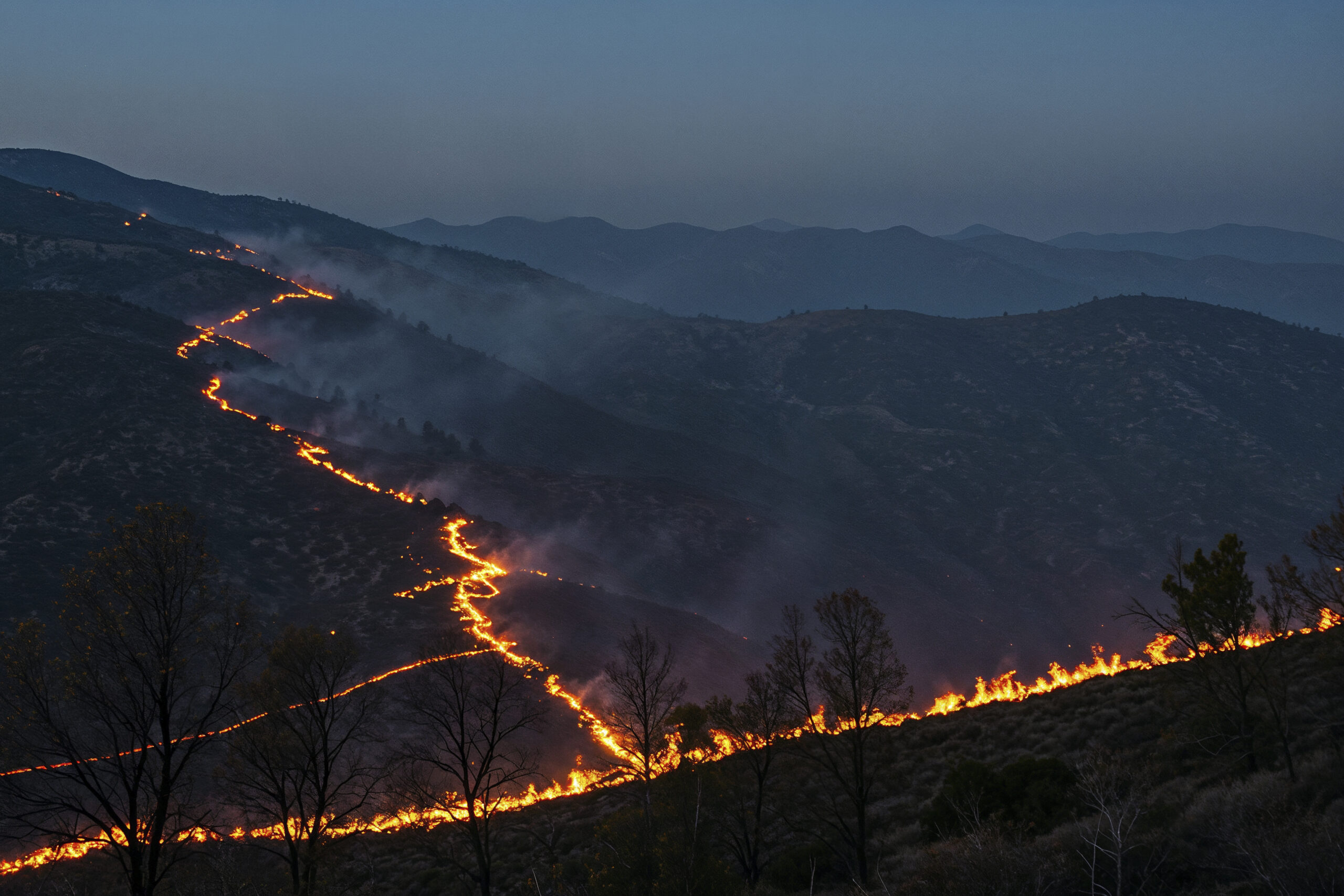
Wildfires are among the most destructive disasters, capable of spreading rapidly and causing widespread devastation. Understanding how wildfires start is essential for awareness, prevention, and recovery. Each year, wildfires burn millions of acres, destroy homes, disrupt communities, and cause billions in damage.
Ever wondered how a tiny spark explodes into a roaring wildfire? This in-depth guide is your road map to every essential fact and wild detail you need to know.
Table of Contents:
- Introduction: Why Understanding Wildfire Causes Matters?
- What Is a Wildfire?
- The Fire Triangle Explained
- The Science Behind Wildfire Ignition
- Natural Causes of Wildfires
- Human Causes of Wildfires
- Environmental Conditions That Intensify Wildfires
- How Wildfires Spread So Quickly
- 5 Key Questions About How Wildfires Start
- Long-Term Impact of Wildfires
- How to Prevent Wildfires Effectively
- Final Thoughts
- Strong Call to Action – Eaton Fire
Introduction: Why Understanding Wildfire Causes Matters?
Wildfires often result from specific conditions and triggers. By understanding their causes, individuals, communities, and policymakers can take proactive steps to reduce risk and protect people and property.
Recently, wildfires have become more frequent and intense due to a changing climate, droughts, and increased human activity in fire-prone areas. Understanding how wildfires start is now more important than ever.
What Is a Wildfire?
A wildfire is an uncontrolled blaze that races through forests, grasslands, or brush with astonishing speed. Unlike controlled burns, wildfires are unpredictable and can explode out of control in moments.
Wildfires can:
- Spread across vast areas in a short time.
- Destroy homes, infrastructure, and ecosystems.
- Disrupt air quality and public health.
- This leads to long-term environmental damage.
The Fire Triangle Explained
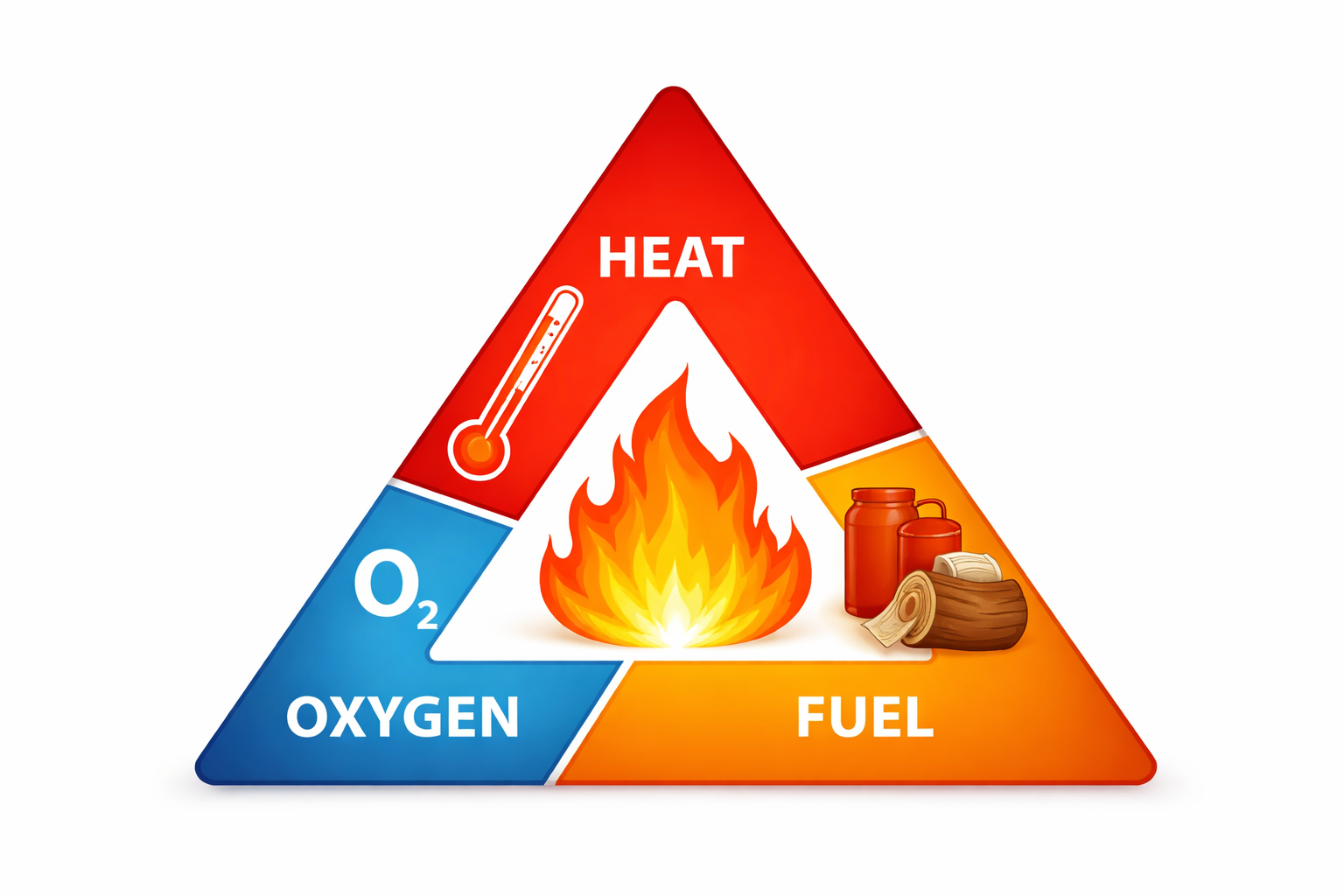
1. Heat – The Ignition Source
Common Sources of Heat in Wildfires:
- Lightning strikes
- Campfires and open flames
- Discarded cigarettes
- Sparks from machinery or power lines
- Lava or volcanic activity
- Friction (e.g., metal tools hitting rocks)
Why Heat Matters:
- Wet or green vegetation requires more heat to ignite.
- Dry grass or leaves need very little heat.
Heat and Fire Growth:
- Dries out nearby vegetation
- Preheats the surrounding fuel
- Helps the fire spread faster
2. Fuel – What Keeps the Fire Burning
Types of Wildfire Fuel:
- Fine fuels: Dry grass, leaves, pine needles (ignite quickly and burn fast)
- Medium fuels: Shrubs, small branches
- Heavy fuels: Trees, logs, dense vegetation (burn longer and hotter)
Fuel Moisture Content:
- Dry fuel → ignites easily and burns rapidly.
- Moist fuel → harder to ignite, burns slowly.
Fuel Continuity:
- Continuous grasslands allow fire to move quickly.
- Gaps (like roads or rivers) can slow or stop the fire.
3. Oxygen – The Invisible Accelerator
How Oxygen Supports Fire:
- Fuels the chemical reaction of combustion
- Helps flames grow and intensify
- Allows fire to spread more efficiently
Wind is wildfire’s unpredictable partner, feeding it with oxygen and pushing flames across new territory.
- Increases oxygen flow
- Pushes flames toward new fuel
- Carries embers (firebrands) ahead of the fire
Oxygen and Fire Behavior:
For example:
- Strong winds → larger flames and faster spread.
- Calm air → slower, less aggressive fire
How Heat, Fuel, and Oxygen Work Together
Here’s what happens in a wildfire:
- Heat ignites the fuel.
- Fuel burns and releases energy.
- Oxygen sustains the combustion process.
- The fire produces more heat, continuing the cycle.
The Science Behind Wildfire Ignition
At a scientific level, wildfires begin through a process called combustion.
Here’s how it works:
- A heat source raises the temperature of the fuel (such as dry vegetation).
- The fuel begins to release flammable gases in a process called pyrolysis. Pyrolysis is the breakdown of materials at high temperatures, releasing gases that burn.
- These gases mix with oxygen in the air.
- When they reach a certain temperature, ignition occurs.
This chain reaction can escalate rapidly, especially when environmental conditions are favorable.
Even something as small as a spark from metal or a cigarette can trigger this process.
Natural Causes of Wildfires

Lightning Strikes
Lightning is the leading natural cause of wildfires.
When lightning strikes:
- It generates extreme heat (up to 50,000°F)
- It can instantly ignite dry vegetation.
- It often occurs in remote areas.
- Cold lightning – Includes rain, less likely to start fires.
- Hot lightning – Little to no rain, highly likely to ignite fires
Volcanic Activity
- Lava flows
- Hot ash
- Explosive debris
Spontaneous Combustion
Common materials include:
- Compost piles
- Hay stacks
- Peat soils
Human Causes of Wildfires
Campfires and Outdoor Burning
Common mistakes include:
- Leaving fires unattended
- Not extinguishing fires completely.
- Burning during dry or windy conditions
Cigarettes and Smoking Materials
Risks increase when:
- Vegetation is dry
- Winds are strong
- Temperatures are high
Power Lines and Equipment Failures

- Power lines spark or fall.
- Transformers malfunction
- Equipment overheats
Arson
Arson-related fires are particularly dangerous because:
- They may be started strategically.
- They often occur during high-risk conditions.
- They can spread rapidly before detection.
Fireworks and Recreational Activities
Other recreational causes include:
- Off-road vehicles are sparking dry grass.
- Grilling equipment accidents
- Machinery overheating
Environmental Conditions That Intensify Wildfires
Dry Vegetation
High Temperatures
Strong Winds
- Supplies oxygen
- Pushes flames forward
- Spreads embers over long distances
How Wildfires Spread So Quickly?
Wildfires spread through three main mechanisms:
1. Direct Flame Contact
2. Radiant Heat
3. Firebrands (Embers)
Burning embers can travel miles ahead of the fire, starting new fires.
5 Key Questions About How Wildfires Start?
1. How do wildfires start naturally?
2. What is the biggest human cause of wildfires?
3. Can a wildfire start from something small?
4. Why are wildfires becoming more common?
5. Are all wildfires preventable?
Long-Term Impact of Wildfires
Environmental Impact
- Loss of biodiversity
- Soil erosion
- Air pollution
- Property damage
- Infrastructure loss
- Increased insurance costs
- Displacement of families
- Health risks from smoke
- Emotional and financial stress
How to Prevent Wildfires Effectively?
Key Prevention Strategies
- Fully extinguish campfires with water and dirt.
- Avoid burning during dry or windy conditions.
- Properly dispose of cigarettes.
- Maintain electrical systems
- Create defensible space around homes.
- Follow local fire regulations.
Final Thoughts
Wildfires can begin from something as simple as a spark, but their impact can be catastrophic. By understanding how wildfires start, we can take preventive measures and protect our communities.
As wildfire risks continue to rise, awareness and responsibility are more important than ever. Each individual action, no matter how small, can help reduce the chances of disaster.
🔥 Strong Call to Action – Eaton Fire
Wildfires can change your life in an instant, but recovery doesn’t have to be something you face alone.
At Eaton Fire, we stand with wildfire victims every step of the way. From navigating complex insurance claims to helping you rebuild what was lost, our dedicated team is here to fight for your rights and your recovery.

Don’t let insurance companies delay or deny what you deserve.
📞 Contact Eaton Fire today for a free consultation, personalized support, and a team that truly understands what you’re going through.
Your recovery starts now, and Eaton Fire is ready to help you rebuild stronger.