
Why Wildfire Reforestation Matters: Environmental and Economic Benefits
Wildfires are reshaping landscapes, communities, and ecosystems at an unprecedented scale. Once considered seasonal or regional events, wildfires have become year-round threats driven by climate change, prolonged droughts, and expanding development into fire-prone areas. In places like California, entire ecosystems are altered within hours, leaving behind scorched earth, displaced wildlife, damaged infrastructure, and communities searching for stability. While emergency response and rebuilding are critical in the immediate aftermath, long-term recovery depends heavily on wildfire reforestation.
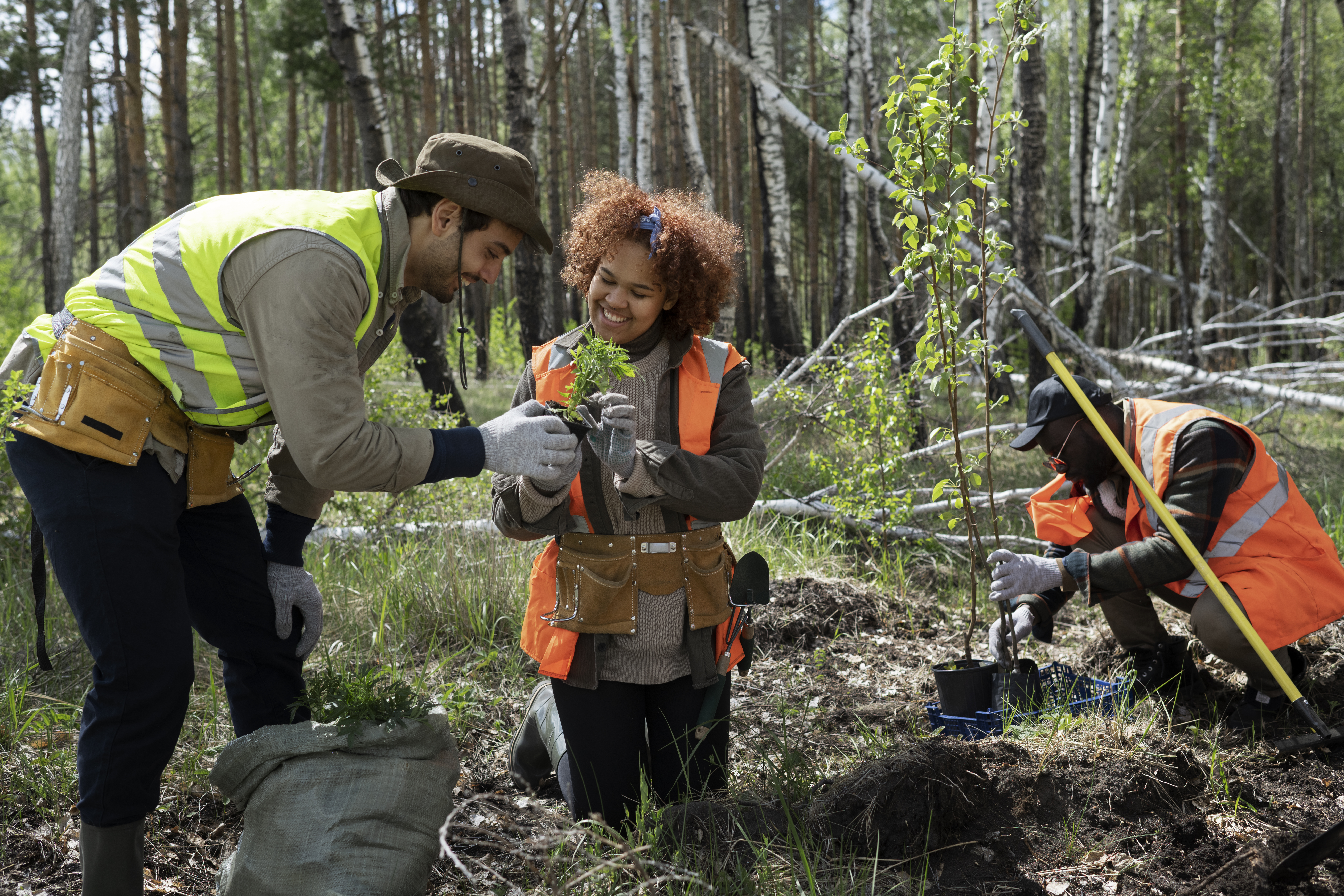
Wildfire reforestation is a powerful tool for restoring burned land, protecting communities, and rebuilding local economies. It merges environmental stewardship with economic recovery, ensuring fire-affected areas are not left vulnerable for generations.
Table of Contents:
- What Is Wildfire Reforestation?
- Why Wildfires Cause Long-Term Environmental Damage
- The Role of Wildfire Reforestation in Ecosystem Recovery
- Soil Restoration and Erosion Prevention
- Water Systems and Watershed Protection
- Climate Change, Carbon Storage, and Reforestation
- Wildlife Habitat Restoration
- The Economic Impact of Wildfires on Communities
- Economic Benefits of Wildfire Reforestation
- Job Creation and Workforce Development
- Reducing Long-Term Disaster Costs
- Common Challenges in Wildfire Reforestation
- Frequently Asked Questions About Wildfire Reforestation
- Eaton Fire’s Commitment to Long-Term Recovery
- Conclusion and Call to Action
What Is Wildfire Reforestation?
Wildfire reforestation intentionally restores forests after fire damage. While some natural regrowth occurs, many modern wildfires are too intense for ecosystems to recover on their own. Reforestation bridges this gap through ecological science, climate data, and long-term management.
Reforestation efforts may include:
- Planting native and fire-resilient tree species
- Stabilizing soil and slopes
- Removing invasive plants
- Supporting natural regeneration
- Managing forest density to reduce future fire risk
Why Wildfires Cause Long-Term Environmental Damage
Vegetation Loss and Ecosystem Collapse
Soil Damage

- Destroy organic matter
- Kill beneficial microorganisms
- Create water-repellent soil layers.
Increased Flood and Landslide Risk
Wildfire reforestation directly addresses these long-term threats by restoring the natural systems that stabilize the land. Understanding this connection is key to appreciating how reforestation fits into broader ecosystem recovery efforts.
The Role of Wildfire Reforestation in Ecosystem Recovery
Native Species Restoration
Biodiversity Support
Forest Structure Rehabilitation
Soil Restoration and Erosion Prevention
One of the most immediate benefits of wildfire reforestation is soil stabilization.
Tree roots hold soil in place, preventing:
- Landslides on slopes
- Sediment runoff into waterways
- Damage to roads, homes, and infrastructure
In regions like Eaton Canyon, where steep terrain meets urban development, soil restoration is critical to community safety.
Reforestation also improves soil fertility by restoring organic matter and microbial life, enabling long-term plant growth. These soil improvements directly impact the health of water systems and watershed protection in vulnerable communities.
Water Systems and Watershed Protection
Water Filtration
Flood Mitigation
Long-Term Water Security
Wildfire reforestation safeguards water resources that are increasingly threatened by drought and climate change. Protecting water systems also contributes to climate resilience and carbon storage, which are essential in the face of ongoing environmental change.
Climate Change, Carbon Storage, and Reforestation
Carbon Sequestration
Climate Resilience
Wildfire reforestation is a critical climate mitigation strategy, especially in fire-prone regions. Its benefits extend further, supporting the restoration of wildlife habitats for species impacted by fire.
Wildlife Habitat Restoration

Reforestation helps by:
- Rebuilding shelter and cover
- Restoring food chains
- Reconnecting fragmented habitats
The Economic Impact of Wildfires on Communities
Immediate Financial Losses
- Home and business destruction
- Infrastructure repair
- Emergency services
Long-Term Economic Damage
- Reduced property values
- Declining tourism
- Job losses
- Higher insurance premiums
Economic Benefits of Wildfire Reforestation
Increased Property Values
Tourism and Recreation Growth
Business Stability
Job Creation and Workforce Development
Jobs include:
- Tree planting and forestry work
- Environmental monitoring
- Land management and maintenance
- Construction and erosion control
Reducing Long-Term Disaster Costs
Preventive investment saves money.
Reforested areas experience:
- Fewer floods and landslides
- Lower wildfire intensity
- Reduced emergency response costs
Common Challenges in Wildfire Reforestation
Funding Gaps
Poor Planning
Public Misconceptions
Frequently Asked Questions About Wildfire Reforestation
1. What is wildfire reforestation?
2. Why is wildfire reforestation necessary?
3. How long does reforestation take?
4. Does reforestation reduce future wildfire risk?
5. How can communities support wildfire reforestation?
Eaton Fire’s Commitment to Long-Term Recovery
At Eaton Fire, we believe recovery must go beyond immediate response. True recovery restores ecosystems, protects communities, and builds resilience. Wildfire reforestation is central to our mission.
We focus on:
- Education and awareness
- Advocacy for sustainable recovery
- Supporting long-term environmental solutions
Conclusion and Call to Action

If your community has been affected by wildfire or is at risk, now is the time to act.
👉 Contact Eaton Fire today for a free consultation and recovery efforts can make a lasting difference. Get informed, get involved, and help turn wildfire devastation into long-term resilience. Together, we can rebuild stronger than before.