
How Fast Do Wildfires Spread? The Shocking Speed of Fire in Action
Understanding how fast wildfires spread is not just a scientific curiosity; it’s a matter of survival. Wildfires have become more frequent, more unpredictable, and more destructive in recent years. As they sweep across forests, grasslands, and communities, their speed determines how much time people have to react, respond, and escape. Unfortunately, many homeowners underestimate just how quickly these fires can travel.
This comprehensive guide takes a deep dive into wildfire behavior, speed, ignition factors, firefighter prediction methods, and how homeowners can protect themselves long before flames threaten their area.
Table of Contents:
- Introduction: Why Wildfire Speed Matters
- What Makes Wildfires Spread So Fast?
- How Fast Do Wildfires Spread in Different Terrains?
- How Weather Conditions Influence Wildfire Speed
- How Firefighters Predict Wildfire Spread
- FAQs: Top Questions About Wildfire Speed
- How to Protect Your Home and Family
- Final Thoughts
- Strong Call to Action – We Are Eaton Fire
1. Introduction: Why Understanding Wildfire Speed Matters
Across North America and beyond, wildfires are becoming more intense and widespread, partly due to increasing drought conditions and extreme weather. As communities expand into wildfire-prone regions, the risk to homes and families grows. Learning how fast wildfires spread helps residents make informed decisions about evacuation, home protection, and preparedness.
- Overrun neighborhoods within minutes
- Jump roads, rivers, and firebreaks
- Cut off evacuation routes
- Create massive ember storms that ignite homes
- Outpace even well-trained firefighting crews
In many large-scale wildfire disasters, the speed of the fire, not just its size, has been the defining factor behind destruction and casualties.
Understanding wildfire speed isn’t simply academic; it is life-saving knowledge.
2. What Makes Wildfires Spread So Fast?
- Grass
- Brush
- Pine needles
- Fallen leaves
- Living trees
- Dead or decaying vegetation
- Wooden fences, decks, sheds, and homes
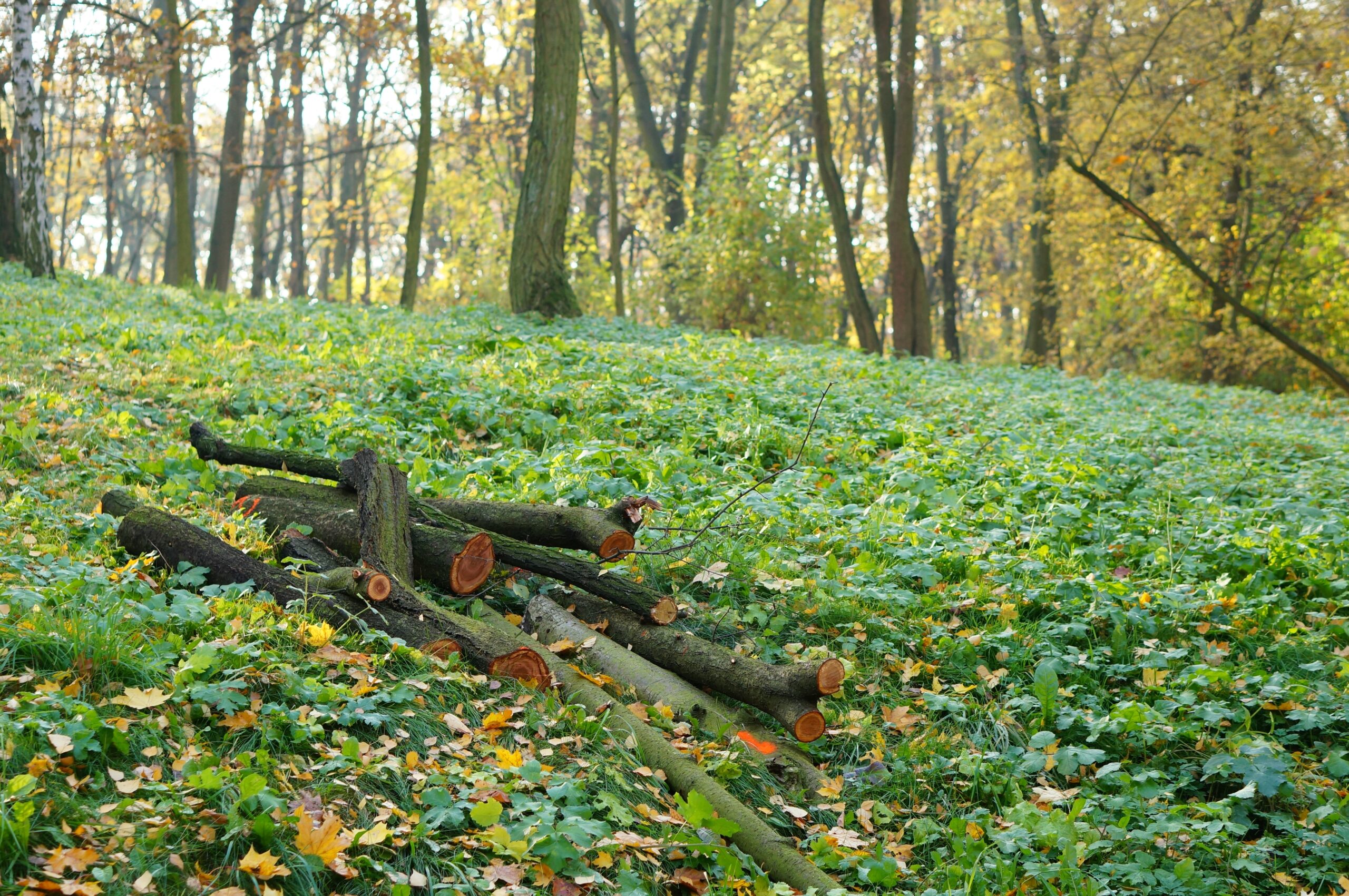
Fuel loads and fuel types play a significant role in determining fire spread speed:
Fine Fuels = Fast Spread
- Dry out quickly
- Require little heat to ignite
- Burn rapidly and intensely
These fuels allow wildfires to move at staggering speeds across fields and hills.
Heavy Fuels = Slow But Powerful
Larger fuels, such as logs or thick brush, burn longer and hotter but typically do not produce fast-moving flames. However, they contribute to intense, long-burning fires and can create dangerous heat columns that spark new ignitions.
Dead and Drought-Stressed Vegetation
- Trees lose moisture
- Leaves and needles become crisp
- Deadfall accumulates
This creates explosive conditions where fires can ignite and spread at rates far above average.
Weather: The Most Unpredictable Factor
Weather changes everything about wildfire behavior, especially speed.
Wind
Wind is the single most excellent accelerator of wildfire spread.
Wind can:
- Push flames horizontally
- Carry embers miles ahead
- Dry fuels as the fire approaches
- Rapidly change the fire’s direction
- Intensify burning by feeding oxygen
A small brushfire can turn into a raging inferno within minutes if winds shift or increase.
Temperature
High temperatures preheat surrounding vegetation, making ignition easier and faster.
Humidity
Low humidity creates extremely dry vegetation fuel that lights with little resistance. The lower the humidity, the faster fires spread.
Drought and Heatwaves
Extended heat and drought conditions create tinderbox environments:
- Dead trees
- Dry brush
- Low moisture vegetation
When lightning or human activity ignites a fire in these conditions, it spreads with explosive speed.
Topography: The Lay of the Land
Terrain influences the speed and direction of wildfires.
Fires Move Faster Uphill
For every 10 degrees of slope, wildfire speed can double because heat from above preheats the vegetation.
Canyons and Ravines
Wind funnels into narrow areas, drastically increasing speed and flame height.
Flat Lands
3. How Fast Do Wildfires Spread in Different Terrains?
Grassfires are responsible for some of the most rapid wildfire movements ever recorded.
Average speed:
Extreme conditions:
Grassfires burn quickly, producing tall flames that race across open fields.
Forest Fires: Slower but More Destructive
Forested terrain creates slower-moving, hotter, and more destructive fires.
Average speed:
This may sound slow, but:
- Crown fires (tree canopy fires) spread much faster
- Embers can travel miles
- Dense vegetation traps heat, making fires difficult to stop
Forest fires become especially dangerous during droughts when trees are moisture-deprived.
Brushfires: Extremely Intense and Fast
Brushfires, especially in shrub-heavy regions like California chaparral, are both fast and fierce.
Average speed:
These fires generate large flame fronts and intense heat, making them incredibly hazardous for firefighters and residents alike.
Mountain Slope Fires: Accelerated by Elevation
Wildfires that move uphill do so with shocking speed.
A fire’s rate of spread can:
Mountainous terrain often traps heat and winds, making fires unpredictable.
4. How Weather Conditions Influence Wildfire Speed
Weather impacts wildfire movement more than any other factor. A slight change in temperature or humidity can shift a fire from slow-creeping to unstoppable.
Wind: The Most Critical Factor
Wind influences wildfire speed in several ways:
1. Pushes Flames Forward
Fires lean toward the wind, enabling faster ignition.
2. Carries Embers Ahead
Embers are responsible for the majority of home ignitions in wildfire events. Winds can carry burning embers:
- 1–2 miles in normal conditions
- 10–20 miles in extreme winds
More oxygen = hotter flames = faster ignition
4. Changes Fire Direction Rapidly
This makes wildfires unpredictable and often deadly.
Temperature: Higher Heat = Faster Spread
When temperatures rise:
- Vegetation dries
- Moisture evaporates
- Fuels become more flammable
On hot, windy days, fire can spread up to 10 times faster than under mild, moist conditions.
Humidity: Moisture Slows Fires Down
Humidity determines fuel moisture.
- Low humidity: Dry fuels ignite instantly.
- High humidity: Fuels retain moisture, reducing fire spread.
During red flag warnings, humidity often falls below 20%, creating dangerous fire behavior.
Drought: Extended Dry Conditions Accelerate Fires
Drought creates conditions where:
- Trees become brittle
- Ground fuels dry out
- Brush becomes volatile
5. How Firefighters Estimate and Predict Wildfire Spread
🔥 Fire Modeling Software
Programs like BEHAVE, FIRETEC, and FARSITE predict:
- Rate of spread
- Flame length
- Heat intensity
- Potential impact zones
On-site and remote weather stations provide real-time:
- Temperature
- Humidity
- Wind speed
- Wind direction
Aircraft and satellites detect hot spots and track perimeter growth.
🔥 Fuel Moisture Readings
Dry fuels = faster, more explosive spread.
Why Predictions Aren’t Perfect
Despite advanced tools, wildfire behavior can change instantly. Predictions may shift due to:
- Sudden wind gusts
- Thunderstorms
- Spot fires ahead of the central fire
- Terrain changes
- Falling trees or debris altering fire lines
6. FAQs: Top Questions About Wildfire Speed
Here are the top five questions people ask about how fast wildfires spread, along with clear and detailed answers.
FAQ 1: How fast do wildfires spread on average?
Fire speed depends on fuel and weather, but general averages are:
- Grassfires: 5–14 mph
- Brushfires: 6–12 mph
- Forest fires: 0.5–2 mph
- Wind-driven fires: 20+ mph
Even “slow” fires can quickly turn deadly when wind conditions shift or embers ignite new fires ahead of the central front.
FAQ 2: Can a wildfire move faster than a person or vehicle?
Yes often.
A strong wind-driven grassfire can outpace:
- A running person
- Cyclists
- Slow-moving vehicles
- Emergency responders
Smoke also reduces visibility, making driving hazardous and further slowing evacuation.
FAQ 3: How far can a wildfire spread in one day?
Under extreme conditions, wildfires have spread:
🔥 Over 15 miles in a single day
And that’s just ground-spread embers that can ignite fires miles ahead.
FAQ 4: Can wildfires cross rivers, roads, and firebreaks?
Yes. While these barriers slow flames, they do not stop embers.
Fires regularly cross:
- Highways
- Streams and rivers
- Railroads
- Fire lines
When winds are high, embers can start new fires ahead of the central front, rendering obstacles ineffective.
FAQ 5: Why do wildfires accelerate uphill?
Because heat rises.
As fire moves uphill:
- Rising heat preheats vegetation
- Flames lean closer to the slope
- Ignition becomes instant
- Speed doubles with each slope increase
7. How to Protect Your Home and Family from Fast-Moving Wildfires
Understanding how quickly wildfires spread underscores the need for swift action and thorough preparation. Here’s how you can reduce your risk and improve your safety.
Create and Maintain Defensible Space
Defensible space is the buffer zone between your home and nearby vegetation. It is your first line of defense.
Zone 0 (0–5 feet): Immediate Zone
- Keep this area clear of anything flammable
- Use rock, gravel, or concrete
- Avoid storing firewood or mulch near the structure
- Install ember-resistant vents and screens
- Trim shrubs and trees regularly
- Remove dead leaves
- Space vegetation to prevent fire pathways
- Thin out trees
- Create breaks between vegetation clusters
- Remove ground debris annually
“Home hardening” upgrades reduce the risk of embers igniting.
Roofing
Choose Class A fire-resistant materials such as:
- Metal
- Tile
- Asphalt fiberglass shingles
Non-combustible materials include:
- Stucco
- Fiber cement
- Metal
- Masonry
Install double-pane or tempered glass to withstand heat.
Vents
Add ember-resistant vents that prevent burning debris from entering attics.
Build a Wildfire Evacuation Plan
Every family should create a clear wildfire emergency plan.
Include:
- Primary and secondary evacuation routes
- Communication plans
- Emergency contact lists
- A ready-to-go “Go Bag” with essentials
- Specific plans for kids, seniors, and pets
- Procedures if roads are blocked
Evacuations should start early; waiting too long is dangerous when fires move quickly.
Stay Informed During Wildfire Season
Use these tools:
- Local emergency alert systems
- NOAA weather radios
- Mobile apps like Watch Duty, PulsePoint, and FEMA
- Local fire department announcements
8. Final Thoughts: Wildfires Move Faster Than You Think
From grasslands racing at 25 mph to forest crown fires throwing embers miles ahead, wildfires remain one of the world’s fastest-moving natural threats. Knowing how fast wildfires spread helps homeowners make smart decisions that protect their families, homes, and futures.
Fast-moving wildfires:
- Change direction instantly
- Outrun evacuation efforts
- Create massive ember storms
- Ignite homes far ahead of the flame front
- Expand unpredictably due to wind and slope
9. Strong Call to Action: Protect Your Home With Eaton Fire

Eaton Fire specializes in wildfire safety, defensible space planning, and home-hardening strategies to provide you with the best possible protection.
👉 Need expert help preparing your home for wildfire season?
Contact Eaton Fire today for a free consultation.
We’re here to help you build a safer, stronger, wildfire-ready home.